
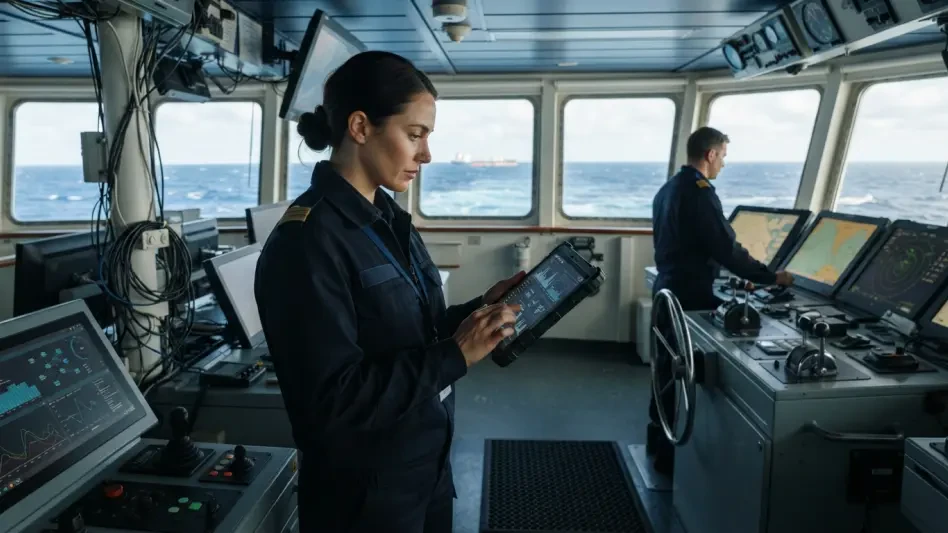
The rapid integration of interconnected digital systems within the global shipping industry has transformed modern vessels and ports into complex, software-dependent ecosystems that require robust protection. As the maritime world navigates the midpoint of 2026, the United States Coast Guard has finalized a transformative framework known as Navigation and Vessel Inspection Circular (NVIC) 02-26. This document marks a significant departure from previous, less structured recommendations, establishing a formal and comprehensive standard for maritime cybersecurity across the nation. By aligning with federal mandates under 33 CFR Part 101, Subpart F, this guidance provides the necessary clarity for U.S.-flagged vessels, port facilities, and Outer Continental Shelf installations to secure the Marine Transportation System against an increasingly hostile digital landscape.
The evolution of maritime security has necessitated this shift as traditional physical safeguards, such as fences and security patrols, are no longer sufficient to protect critical infrastructure. Modern threats now target the very heart of maritime operations, focusing on both Information Technology (IT) and Operational Technology (OT) systems. NVIC 02-26 addresses these vulnerabilities by offering a performance-based methodology that prioritizes risk management over rigid, one-size-fits-all hardware requirements. This approach ensures that the industry remains resilient while adapting to the unique digital architecture of each vessel and facility. Key pillars of this framework include mandatory risk assessments, the formal appointment of specialized personnel, and a clear compliance roadmap leading toward the 2027 deadline.
The Strategic Importance of Cybersecurity Compliance in the Maritime Sector
Adopting these performance-based best practices is not merely a matter of regulatory adherence; it is a fundamental requirement for maintaining national security and ensuring the continuity of global trade. In an era where ransomware and state-sponsored cyber disruptions are common, a standardized approach to digital defense protects the vital arteries of the American economy. By following the guidance set forth in NVIC 02-26, maritime entities can build a defensive posture that is both proactive and scalable. This strategic alignment reduces the likelihood of catastrophic operational failures that could result from unauthorized access to navigation systems or cargo handling controls.
Furthermore, the shift toward a performance-based model offers distinct advantages over prescriptive mandates that might require specific brands of software or hardware. This flexibility allows operators to tailor their cybersecurity solutions to their specific needs, whether they are managing a small fleet of tugs or a sprawling, automated container terminal. Such a model fosters innovation, as companies are encouraged to find the most effective ways to meet the Coast Guard’s security outcomes rather than simply checking a box for a specific piece of equipment. Consequently, this leads to a more streamlined regulatory approval process, as the focus remains on the demonstrable effectiveness of the security measures in place.
Moreover, the resilience gained through these best practices extends beyond simple defense. Organizations that successfully implement the NVIC 02-26 standards often experience improved operational efficiency and a stronger reputation among international partners. When a facility can demonstrate a high level of digital maturity, it minimizes the friction associated with port state control inspections and third-party audits. This proactive stance serves as a competitive advantage, ensuring that the Marine Transportation System remains the most reliable and secure method for moving the world’s goods.
Implementing Actionable Cybersecurity Best Practices Under NVIC 02-26
Turning the high-level goals of the circular into operational reality requires a systematic approach that breaks down complex requirements into manageable steps. For vessel and facility operators, the process begins with a clear understanding of the “risk-filtering” methodology introduced by the Coast Guard. This method helps organizations define the boundaries of their digital environment and identify which systems are critical to safety and security. By focusing resources on the most vital components, operators can ensure that their defenses are both robust and cost-effective.
The core of the implementation process revolves around two primary documents: the Cybersecurity Assessment (CSA) and the Cybersecurity Plan (CSP). These documents are not static paperwork but living governance tools that must be regularly updated to reflect the changing threat landscape. Operators must use these tools to map out every digital touchpoint, from the office email server to the engine room’s ballast control sensors. This holistic view ensures that no vulnerability is overlooked and that every potential entry point for a cyber threat is properly mitigated.
Appointing and Empowering a Cybersecurity Officer (CySO)
A central requirement of the new guidance is the formal designation of a Cybersecurity Officer (CySO), a role designed to bridge the gap between traditional maritime operations and the specialized world of digital security. This individual is responsible for the oversight and execution of the organization’s entire cybersecurity program. The Coast Guard requires the CySO to possess a specific set of qualifications, ensuring they understand both the technical nuances of IT/OT systems and the operational realities of the maritime environment. This role is formalized through a designation letter that clearly outlines their authority and responsibilities within the organization.
Case Study: Integrating a CySO in a Multi-Terminal Port Facility
In a recent implementation at a major multi-terminal port facility, the appointment of a dedicated CySO proved to be the turning point for their security posture. Previously, the port’s IT department and its crane maintenance team operated in silos, rarely communicating about shared digital risks. By empowering a CySO with the authority to oversee both departments, the facility was able to create a unified incident response protocol. This change led to a forty percent reduction in the time required to detect and isolate a simulated network intrusion, proving that centralizing cybersecurity leadership is essential for rapid response.
Conducting Comprehensive Cybersecurity Assessments for IT and OT Systems
The Cybersecurity Assessment (CSA) serves as the diagnostic phase of the compliance journey, utilizing a risk-filtering approach to identify vulnerabilities. This process is particularly critical for Operational Technology (OT), which includes the physical control systems that manage propulsion, steering, and cargo handling. Because these systems are increasingly connected to the internet for remote monitoring and maintenance, they represent a significant risk. The CSA requires operators to map these interdependencies, ensuring they understand how a breach in a seemingly minor system could potentially lead to a loss of physical control over the vessel or facility.
Real-World Example: Identifying Vulnerabilities in Automated Cargo Handling
During a systematic assessment at a modern liquid natural gas terminal, a team discovered an unexpected bridge between the facility’s public guest Wi-Fi and the industrial control system used for pipeline monitoring. This vulnerability had gone unnoticed for years because the systems were managed by different vendors. The discovery, facilitated by the NVIC’s assessment framework, allowed the operator to remediate the link before it could be exploited by an outside actor. This example highlights the importance of looking beyond the obvious office networks to secure the underlying physical infrastructure that keeps the maritime industry moving.
Developing and Maintaining the Formal Cybersecurity Plan (CSP)
Once the assessment is complete, the findings are codified into the formal Cybersecurity Plan (CSP). This governance document outlines the specific strategies the entity will use to identify, protect, detect, respond to, and recover from cyber incidents. The CSP must be detailed and actionable, providing clear instructions for personnel at all levels of the organization. Furthermore, the Coast Guard has integrated a requirement for periodic penetration testing into the five-year renewal cycle of these plans. This ensures that the security measures described on paper are actually effective when put to the test by a simulated adversary.
Case Study: Transitioning from Paper Compliance to Operational Resilience
A medium-sized container vessel operator recently utilized the CSP framework to move beyond basic paper compliance and toward true operational resilience. Instead of viewing the CSP as a burden, the company integrated cyber-awareness training into its standard safety drills. When a simulated network failure occurred during a voyage, the crew was able to switch to manual navigation and communication protocols seamlessly because they had practiced the specific response steps outlined in their CSP. This transition created a “cyber-safe” culture that prioritized safety and continuity over mere administrative approval.
Final Evaluation: Navigating the Path to the 2027 Deadline
The introduction of NVIC 02-26 signaled a profound shift in the digital maturity of the maritime industry, moving organizations toward a future of heightened vigilance and structured defense. Entities that prioritized the early adoption of these standards found themselves better positioned to handle the complexities of the modern threat landscape. By treating cybersecurity as a core component of maritime safety rather than a separate IT issue, the industry demonstrated its commitment to securing the nation’s economic interests. The performance-based model proved effective in encouraging tailored solutions that respected the diversity of the Marine Transportation System.
The maritime community recognized that the 2027 deadline represented more than just a date for compliance; it served as a catalyst for cultural change across the sector. Small-scale operators often decided to utilize third-party cybersecurity experts to bridge technical gaps, while larger fleets invested in internal teams to maintain long-term oversight. Regardless of the chosen path, the emphasis remained on creating an environment where digital risks were identified and mitigated before they could manifest as physical disasters. This collective effort ensured that the maritime industry remained a resilient and trusted pillar of global commerce.
Ultimately, the successful implementation of these best practices reflected a broader understanding that cybersecurity is an ongoing journey rather than a final destination. The transition from previous ad-hoc security measures to a formal, Coast Guard-approved plan allowed for a more transparent and auditable security environment. By the time the industry reached the 2027 milestone, the standards established by NVIC 02-26 had become the baseline for excellence, fostering a landscape where security and efficiency worked in tandem. The strategic foresight displayed by those who adopted these measures early ensured that the Marine Transportation System remained secure against the challenges of the late 2020s.