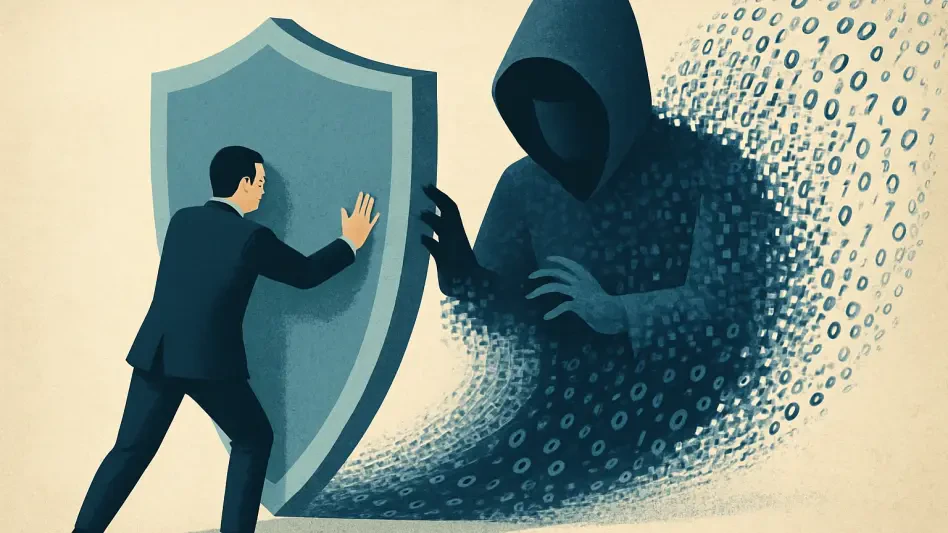

Simple social engineering tactics often bypass technical security measures by exploiting human psychology and visual cues, necessitating a unified organizational defense strategy starting in 2026. This guide provides a framework for organizations to understand these physical and psychological vulnerabilities and implement a unified defense strategy. To successfully secure an environment, stakeholders must coordinate across departments and empower employees with specific behavioral protocols rather than relying solely on automated systems. Understanding that the human element remains a significant vulnerability is the first step toward building a resilient security posture.
Implementing Unified Social Engineering Defenses
1. Choose a Method
Identify the specific psychological trigger or prop that will be used to test or defend the perimeter. Common methods include using a high-visibility vest, a clipboard, or a sense of urgency to create a professional narrative that suppresses natural suspicion. Ensure that the chosen method aligns with the “uniform effect,” where a believable appearance makes it socially uncomfortable for staff to challenge the intruder. This step is critical because visual cues like safety gear often override logical security checks in the minds of employees.
2. Prepare the Accounts
Coordinate security responsibilities across IT, Human Resources, and Facilities management to eliminate departmental silos. Ensure that each department’s access checklists are integrated so a visitor entering through a loading dock is subject to the same vetting as one entering through the front lobby. Verify the result by confirming that internal boundaries do not leave unmonitored gaps, such as open network sockets in areas managed by non-technical staff. A unified landscape prevents attackers from exploiting the administrative gaps between different departments.
3. Establish Actionable Protocols
Replace vague directives like “be vigilant” with a specific “Question, Check, and Report” framework for all staff. Provide employees with polite, non-confrontational scripts, such as “Let me contact reception and get someone to help you,” to shift the burden of verification to a formal process. This step is successful when verification becomes a standard objective service rather than a personal challenge to a visitor’s integrity. Establishing these protocols removes the social friction that often prevents staff from questioning intruders.
4. Model Leadership Compliance
Ensure that senior leaders adhere strictly to all security protocols to set the organizational cultural norm. Leaders must avoid viewing themselves as exceptions to access checks to prevent the degradation of the staff’s security habits. Check for compliance by observing whether executives follow the same badge-in and verification procedures as entry-level employees. When management demonstrates that nobody is above the rules, it reinforces the importance of security at every level of the firm and prevents the atrophy of safety habits.
5. Foster Psychological Safety
Create a reporting environment where employees feel safe to admit mistakes, such as letting in an unverified visitor, without fear of punishment. Follow guidance from organizations like CISA to prioritize organizational learning over individual blame. Success is measured by the speed and frequency of incident reporting, which deprives attackers of the time needed to execute their goals. Eliminating the fear of repercussions ensures that potential breaches are identified and mitigated before significant damage occurs to the organizational infrastructure.
6. Implement Layered Internal Controls
Extend security measures beyond the initial reception area by adding obstacles like locked workstations and restricted zones. This layered approach ensures that if a perimeter check fails, the intruder is still restricted from accessing critical assets. Verify the effectiveness of these layers by checking if internal doors and computer terminals remain secured even in high-traffic or utilitarian areas. Defense in depth ensures that the failure of a single human checkpoint does not lead to a total system compromise or data theft.
7. Conduct Authorized Testing
Perform authorized physical and social engineering exercises to identify where the verification process fails in a real-world scenario. Use these simulations to gather data on whether employee concerns reach the correct personnel and how quickly the response system activates. The result of this step provides evidence-based data to refine technical and procedural controls. Regular testing allows the organization to evolve its defenses in response to the changing tactics used by modern social engineers to bypass standard locks and badges.
Step Recap
- Select a psychological tactic or prop to address.
- Unify departmental security silos into one landscape.
- Train staff using the “Question, Check, and Report” framework.
- Enforce security protocol compliance for all leadership.
- Encourage immediate reporting through a no-blame culture.
- Layer security controls deep within the building interior.
- Validate defenses with authorized simulation exercises.
Final Advice
The most sophisticated AI-driven security can be rendered useless by a simple high-visibility vest if the human element is ignored. Organizations must treat security as a cultural and psychological challenge, not just a technical one. Ensure that looking the part never serves as a substitute for verified authorization by making verification an automated, polite habit for every member of the organization. By maintaining this focus through 2026, companies can protect their assets from even the most deceptive physical intruders.