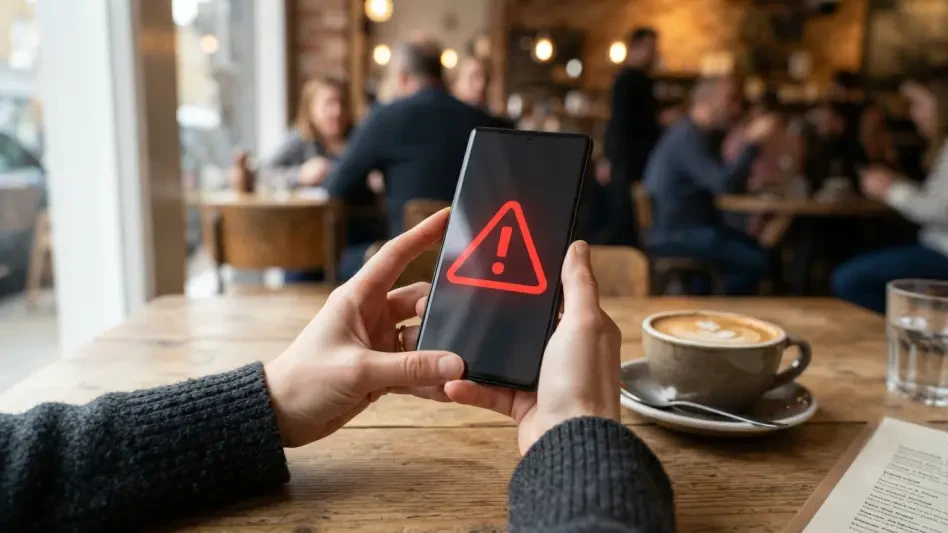
Financial institutions are seeing a rise in the use of small, fake personal transactions to bait targets into revealing sensitive corporate banking information. This refined approach to cybercrime, commonly referred to as “smishing,” relies on the deceptive simplicity of a text message to bypass sophisticated enterprise security layers that typically filter suspicious emails. By landing directly on a mobile device, these messages exploit the high open rates associated with SMS, creating an immediate and personal connection with the recipient. Criminals have become increasingly sophisticated, often using stolen personal data to include the target’s full name, correct home address, or even partial financial details, which serves to validate the fraudulent claim in the eyes of the victim. This trend represents a significant shift from generic phishing campaigns to highly targeted social engineering operations. As digital payment ecosystems expand throughout 2026, the psychological tactics used by these actors have evolved to catch even experienced professionals during brief moments of distraction.
The Mechanics of Deception and Psychological Manipulation
Emotional Triggers: The Power of Manufactured Urgency
Fraudsters strategically employ high-pressure language to disrupt a person’s logical reasoning, often utilizing phrases such as “unauthorized access detected” or “immediate action required to prevent account suspension.” This manufactured urgency is designed to trigger a stress response that compels the recipient to act before they have the opportunity to analyze the message’s legitimacy. In a fast-paced environment, where individuals manage their lives through mobile notifications, the threat of financial disruption causes many to overlook minor discrepancies in sender details.
Furthermore, the transition toward professional branding ensures that fraudulent landing pages are nearly indistinguishable from official portals. By mimicking the syntax, font, and layout of legitimate banks, scammers create a plausible environment where administrative requests for data updates or identity verification seem routine. This realism ensures that victims remain convinced of the interaction’s validity until their credentials have been harvested. The goal is always to prevent the target from pausing to think, turning a routine notification into a gateway for total compromise.
Human Factors: Identifying Vulnerabilities in Daily Life
Technical defenses are only as strong as the individuals who operate them, and cybercriminals frequently exploit situational vulnerabilities such as physical exhaustion or a busy lifestyle. Factors like multitasking or the mental fatigue associated with a long workday serve as powerful force multipliers for scammers, increasing the likelihood that a person will click a malicious link without secondary verification. Fraudsters often time their alerts to coincide with periods of high activity, such as the morning commute, when cognitive defenses are naturally lower and attention is divided.
Beyond simple links, modern scams often involve a transition to personalized social engineering through follow-up phone calls from fake agents. Once a victim engages with a fake alert, they may receive a call from a “representative” who uses the initial data to build a sense of trust and authority. These actors adopt a professional demeanor to guide the victim into transferring funds to a “safe account” or sharing one-time passcodes. This multi-channel approach creates an immersive environment of deception that is remarkably difficult to detect without a rigorous standard of independent verification.
Institutional Insights and Proactive Defense Measures
Statistical Trends: Analyzing the Surge in Fraudulent Activity
Recent data from 2026 shows a 55% increase in reported payment fraud, driven largely by the sheer volume of SMS-based impersonation schemes and sophisticated follow-up tactics. Financial experts observe that these operations are run by organized syndicates that operate with the efficiency of legitimate businesses, targeting both private citizens and high-value corporate accounts. This growth indicates that the digital landscape remains a fertile ground for exploitation as criminals adapt to new security measures with more personalized bait.
A prominent example of this trend involved a customer named James, who was targeted by a fake transaction alert for a minor retail purchase. This small bait led to a phone interaction where he inadvertently shared business banking details with a sophisticated fraud ring. Such cases demonstrate how criminals use low-stakes personal lures to gain access to lucrative corporate assets, recognizing that business accounts contain significantly more capital. The success of these schemes relies heavily on the victim’s trust in seemingly official communication channels during peak shopping seasons.
Defensive Protocols: Implementing Verified Security Practices
Mitigating the risk of fraud required a commitment to independent verification for all unsolicited contact. Consumers were encouraged to never use the contact details provided in a text message, choosing instead to use the official number found on the back of their physical bank card or the institution’s verified website. By breaking the initial communication chain established by the fraudster, targets ensured they were interacting with legitimate representatives. These proactive steps proved to be the most effective disruption to the methodology used by organized criminal groups in 2026.
Finally, a strong defense was built on the understanding that legitimate banks never request one-time passcodes or the transfer of money to secondary accounts for security purposes. Organizations that prioritized employee education and implemented multi-factor authentication saw a marked decrease in successful compromises. By treating every unexpected digital alert with skepticism and utilizing official verification tools, individuals were able to protect their financial assets in an increasingly complex digital age. Establishing these habits of vigilance became the primary recommendation for preventing future losses.