
Desperate employees seeking a quick fix for their connectivity issues are increasingly falling victim to technical support scams that claim to offer alternative ways to access email. The sudden instability of cloud-based infrastructure often creates a vacuum of information that cybercriminals are remarkably quick to fill with deceptive messaging. When Exchange Online or Outlook becomes inaccessible, the immediate instinct for many workers is to bypass standard protocols to restore productivity as fast as possible. Experts from cybersecurity firms like ESET and Sophos have observed that these windows of downtime are immediately met with automated phishing campaigns. This sense of urgency is precisely what malicious actors rely on when they deploy specialized emails tailored to the specific nature of a service disruption. Security specialists have noted that during these periods, the volume of fraudulent notifications mimicking Microsoft surges, often including malicious links to fake login portals.
Strategic Deception: Tactics of Opportunistic Exploitation
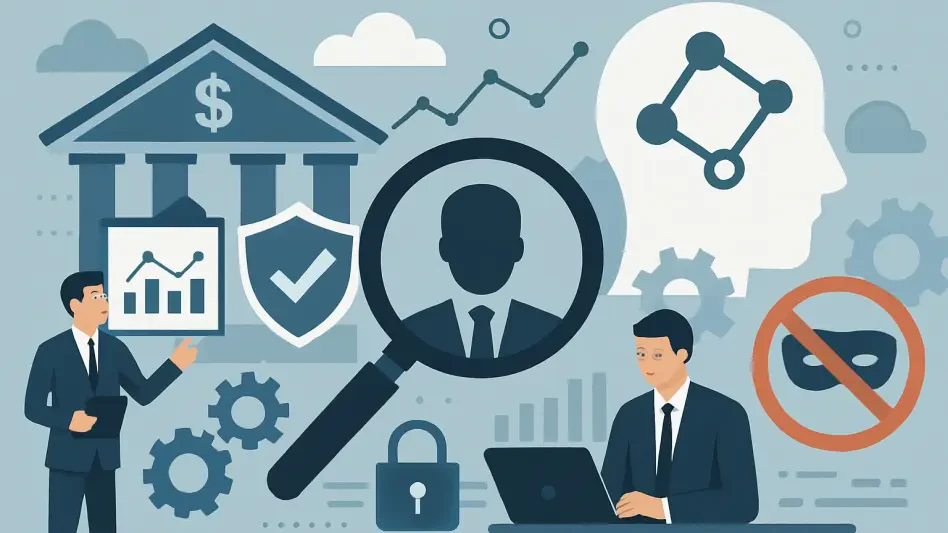
The sheer scale of brand impersonation makes these incidents particularly dangerous for global organizations. Recent data indicates that Microsoft remains the most frequently imitated company in phishing attempts, accounting for nearly 33% of all such attacks throughout the current year. This high level of familiarity allows threat actors to craft highly convincing templates that mirror the aesthetic and tone of genuine administrative alerts. International agencies, including the UK National Cyber Security Center, have highlighted that when an actual outage occurs, the threshold for suspicion drops because users are expecting communication. Phishing kits are now capable of real-time adaptation, enabling attackers to reference specific error codes that have been publicly reported. This context-aware approach makes it difficult for employees to distinguish between a legitimate update and a malicious attempt to harvest credentials while services are offline.
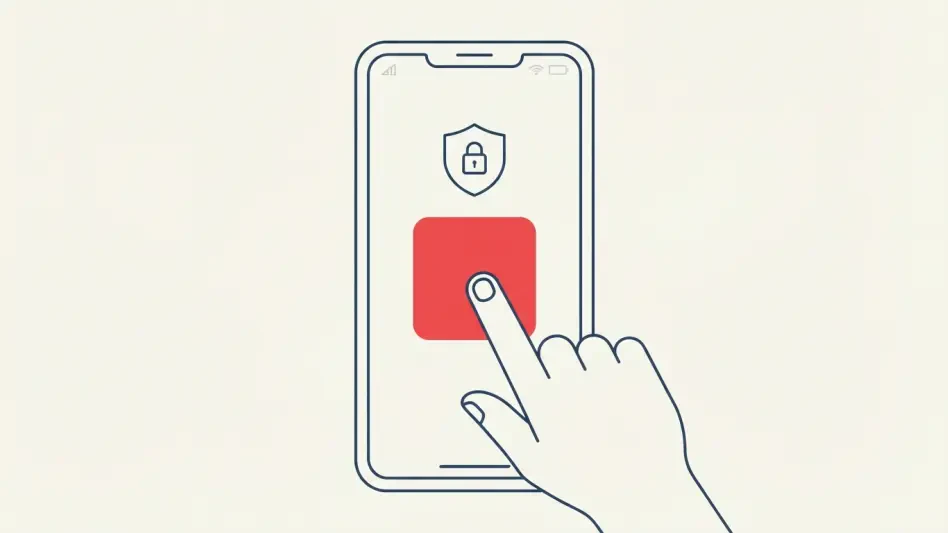
Beyond traditional email-based threats, a rising trend known as vishing has become a central component of these opportunistic strategies. Attackers place direct phone calls to employees, posing as help desk representatives who claim to be performing manual account migrations to a secondary server. These social engineering tactics are designed to exploit the frustration of individuals who have been unable to access critical workflows for several hours. Under the guise of providing assistance, the fraudulent technician requests remote access to the employee’s machine or asks for multi-factor authentication codes to verify identity. Once access is granted, the attacker can move laterally through the network, often planting persistent backdoors that remain active long after services have returned to normal. Organizations like Binalyze emphasize that the human element continues to be a primary target when high-stress environments coincide with malfunctions.
Post-Outage Recovery: Securing the Operational Environment
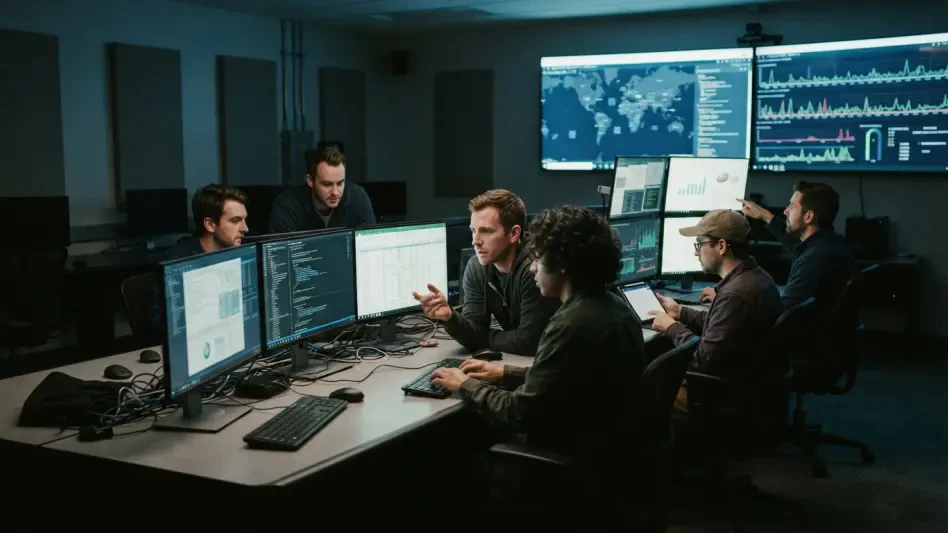
A critical but often overlooked consequence of a major cloud outage is the temporary loss of defensive visibility for internal security teams. When primary tools such as Microsoft Defender XDR experience downtime alongside the productivity suite, automated alerts and threat detection capabilities are severely diminished. Security operations centers may miss critical notifications about suspicious account sign-ins or the creation of unauthorized inbox forwarding rules because the delivery mechanism itself is compromised. This blind spot provides a perfect window for advanced persistent threats to establish a foothold without triggering the usual alarms. In many cases, attackers utilize this time to exfiltrate sensitive data while the IT department is entirely preoccupied with restoring basic connectivity. The lack of telemetry during the disruption means that the full extent of a compromise might not be realized until weeks later, requiring a thorough audit of all logs once back online.
Organizations that effectively navigated the recent service disruptions recognized that the recovery phase was just as critical as the initial response. Security leaders implemented retroactive audits of all endpoint activity and sign-in logs to ensure no malicious actors gained entry while defensive tools were offline. It was essential for administrators to verify that no new mailbox rules or administrative privileges were added during the visibility gap. Moving forward, businesses established secondary communication channels that did not rely on the primary email infrastructure to keep staff informed during outages. Educating employees on the specific tactics used in vishing during technical failures proved to be an indispensable defense. By treating every service disruption as a potential security breach, firms minimized the risk of long-term damage. The proactive verification of system integrity ensured that the restoration of services did not welcome sophisticated threats.