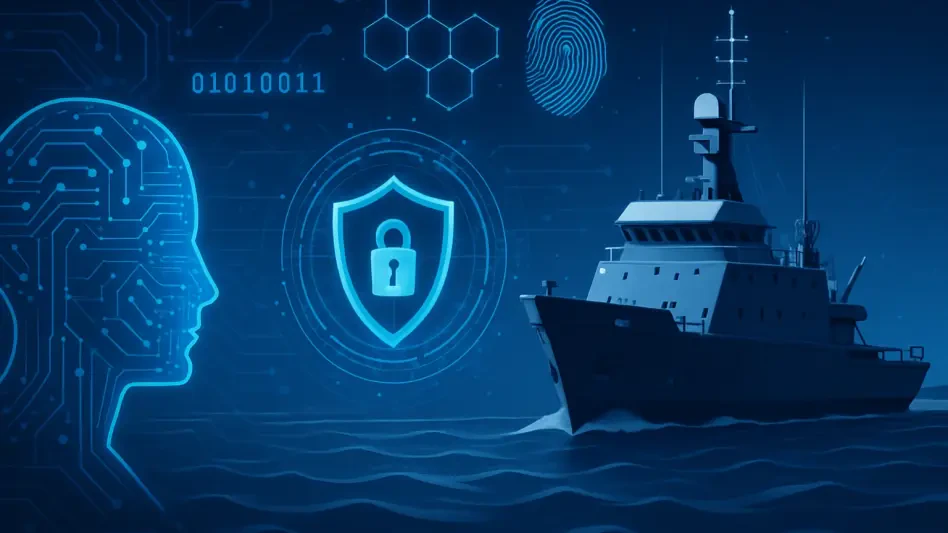
The modern digital battlefield has reached a critical juncture where the sheer velocity and complexity of software exploits far exceed the physical capacity of human developers to respond effectively. By integrating multiple large language models, the Parcata platform identifies and repairs flaws in both first-party and third-party software without human intervention. This fundamental shift toward autonomous cyber reasoning represents a significant departure from traditional, reactive security postures that have historically relied on manual code reviews and delayed patch deployments. By leveraging sophisticated algorithms, the system can digest vast amounts of code and identify structural weaknesses that would remain invisible to standard scanning tools. This capability is not merely an incremental improvement; it is a transformative approach that allows for the creation of self-healing networks. As organizations face an increasing volume of sophisticated threats, the move toward such high-speed, AI-driven automation becomes a critical business driver for defense contractors aiming to maintain technical superiority in a volatile environment.
Advancements in Autonomous Cyber Defense
The Integration of Kudu Dynamics Technology
The development of the Parcata platform was significantly accelerated through the strategic acquisition of Kudu Dynamics, a firm known for its high-end cyber research and development capabilities. By spending three hundred million dollars to integrate this expertise, the organization has effectively bridged the gap between academic AI research and practical, deployable defense solutions. Parcata operates by utilizing multiple large language models that work in concert to analyze software architecture and identify potential entry points for malicious actors. Unlike previous iterations of automated security, which often flagged false positives that required manual vetting, this system provides a high degree of accuracy and generates functional code to fix identified vulnerabilities. This level of automation is essential for protecting complex supply chains where third-party software components frequently introduce hidden risks that can compromise entire systems if left unaddressed by the primary developers.
Mitigating Zero-Day Vulnerabilities in Real-Time
Beyond simple error detection, the system addresses the most critical threat in modern computing: the zero-day vulnerability. These flaws are unknown to the software manufacturer and have no existing patches, often leaving systems exposed for weeks or months while human teams scramble to create a solution. Parcata fundamentally changes this timeline by reducing the remediation process to mere minutes. By analyzing the behavior of incoming threats and comparing them against the underlying code structure, the AI can synthesize a fix even when the specific exploit has never been seen before. This shift reflects a broader industry consensus that manual methods are no longer sufficient to keep pace with the velocity of modern digital warfare. While the platform has been primarily utilized within intelligence agencies, plans are currently underway for a broader commercial release later this year, signaling a pivot toward specialized, high-margin AI products that offer unprecedented speed and efficiency across diverse sectors.
Navigating the Competitive Maritime Landscape
Strategic Engagement in Naval Autonomy Programs
While the cybersecurity sector shows rapid growth, the maritime defense market presents a more complex set of challenges that require a balanced approach to innovation and contract management. One of the five key priority areas through 2030 involves the development of unmanned surface vessels designed to extend the reach of the Navy without putting sailors at risk. Despite successful trials of various medium-sized unmanned prototypes, the competitive landscape has intensified with the emergence of specialized firms like Saronic and HII. Recent production contracts were awarded to these competitors, which highlights the volatility and high stakes of the maritime sector. However, the existing infrastructure and experience gained from earlier trials provide a solid foundation for future bids. The company remains an active participant in the marketplace for autonomous surface programs, ensuring that its technical contributions to vessel autonomy and sensor integration remain relevant for future procurement cycles in the defense sector.
Financial Outlook and Technological Evolution
Financially, the organization entered a period of steady expansion, reporting a third-quarter revenue of four point six billion dollars, which represented a four percent increase compared to the previous fiscal year. Profitability also moved in a positive direction, with adjusted earnings before interest, taxes, depreciation, and amortization rising by five percent. To refine its focus, the company narrowed its full-year revenue guidance to between eighteen billion and eighteen point two billion dollars following a strategic merger of its security screening business. Looking ahead, decision-makers should prioritize the integration of autonomous patching into broader industrial control systems to protect critical infrastructure from evolving threats. Furthermore, the lessons learned from the maritime sector suggested that future success depended on creating interoperable software that could function across various hardware platforms. By maintaining technical resilience, the organization moved toward a specialized defense model that favored rapid adaptation.