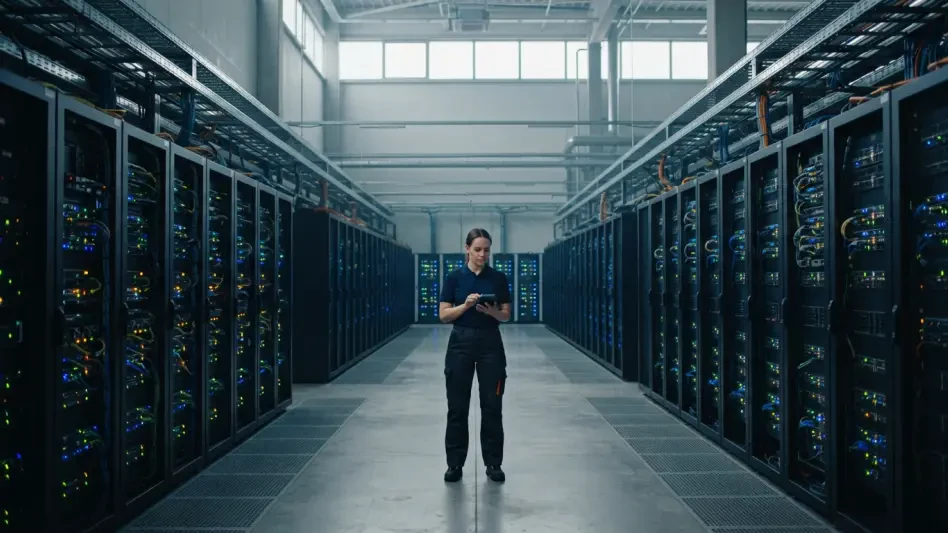
The foundational architecture of the global web faces a defining moment as the PHP Foundation orchestrates a critical intervention to shield millions of servers from emerging exploitation vectors. PHP remains the backbone of nearly seventy percent of contemporary internet infrastructure, acting as the primary engine for dynamic content generation across diverse digital environments. While the language has matured significantly, its widespread adoption creates an immense attack surface that requires constant and vigilant stewardship from centralized security bodies. The PHP Foundation has effectively transitioned the language from a community-driven project to a professionally maintained ecosystem capable of rapid response. This shift reflects a broader global trend toward professionalizing open-source security, ensuring that the critical frameworks powering global commerce remain resilient against increasingly sophisticated threat actors.
Evolution of PHP Security Frameworks
Security in PHP has evolved from reactive bug fixing toward a comprehensive framework of proactive threat management and architectural hardening. By centralizing core maintenance, the PHP Foundation ensures that security patches are released with predictable regularity, significantly reducing the period of exposure for enterprise systems. This evolution is vital because PHP sits at the intersection of various server-side technologies, meaning a single flaw in its core can have cascading effects across the entire software stack. The current strategy focuses on high-priority patching windows that allow system administrators to synchronize updates, minimizing the window of opportunity for attackers to exploit known weaknesses.
Analysis of Critical Vulnerability Components
The technical complexity of modern web applications requires a deep understanding of how internal engine components interact under non-standard conditions. Current security audits emphasize the importance of session handling and data serialization, which remain the most sensitive areas of the PHP core. By examining these components, developers can identify the subtle logic flaws that arise when legacy features are utilized in modern, high-concurrency environments.
Remote Code Execution: CVE-2026-115560
The CVE-2026-115560 vulnerability involves a specific sequence where runtime configuration changes via the ini_set() function interact with serialization handlers like php_binary or php_serialize. This interplay creates a memory corruption risk that could lead to remote code execution, though it typically requires a highly specific environment to be triggered. It illustrates the ongoing challenge of maintaining legacy features while securing a modern web environment. This flaw highlights how even minor, non-default configuration changes can transform a stable server into a vulnerable target for exploitation.
Session Management: Upload Progress Metrics
The session.upload_progress.enabled configuration, designed to enhance user experience by tracking file transfers, has inadvertently become a pivot point for potential exploitation in specific setups. If certain serialization handlers are active, this component may allow an attacker to inject data during the serialization process. This technical nuance demonstrates the inherent trade-off between functional richness and the security perimeter. Disabling this feature as a proactive mitigation strategy serves as a necessary step to reduce the attack surface before a formal patch is applied.
Recent Innovations in Threat Mitigation
The move toward structured maintenance cycles has largely replaced the emergency “patch-a-thons” that once characterized the web development sector. Integrating PHP flaws into centralized databases, such as the Known Exploited Vulnerabilities catalog, has standardized how organizations prioritize and address risks. This systematic approach allows security teams to use predictable release windows, ensuring that infrastructure integrity is treated as a core business function rather than a reactive afterthought. Such innovations have streamlined the security lifecycle, allowing for a more resilient defense against automated exploit kits.
Real-World Applications: Vulnerability Impact
Real-world consequences became evident through the “PHP2Shell” exploits, which showcased the danger of chaining PHP flaws with Linux kernel vulnerabilities to compromise high-profile infrastructure. Sophisticated actors targeted government-affiliated networking equipment and enterprise-level servers, proving that even isolated flaws can lead to full system compromise if not addressed. These incidents underscore the persistent threat to data integrity in large-scale organizations, where PHP serves as the primary gateway for web-facing services. The speed at which these flaws were weaponized against high-profile targets highlights the necessity for immediate update protocols.
Technical Hurdles and Regulatory Obstacles
A major challenge remains the speed at which threat actors reverse-engineer security fixes to create functional exploits before organizations can finalize their updates. This “race to patch” is particularly difficult in heterogeneous server environments where immediate deployment may cause compatibility issues with legacy software. To mitigate this risk, the PHP Security Team has accelerated its internal release schedules, yet many organizations still face friction between security requirements and operational continuity. Regulatory pressure is also mounting, as governments demand faster response times to vulnerabilities that threaten national digital infrastructure.
Future Outlook for PHP Infrastructure
The trajectory of PHP infrastructure points toward heightened secure coding standards and the potential integration of memory-safe components into the core engine. Future developments will likely include more aggressive automated patching mechanisms and a move away from inherently risky serialization practices. As the language continues to evolve, the long-term impact will involve a more prescriptive approach to configuration, reducing the reliance on manual developer expertise to secure standard installations. These advancements will be pivotal in maintaining the relevance of the language in an era where security is a non-negotiable prerequisite for enterprise adoption.
Assessment of Global Web Security Resilience
The recent cycle of critical updates established a clear precedent for the necessity of proactive infrastructure management within the web development sector. While the immediate threats were mitigated through rapid deployment and configuration hardening, the situation highlighted the inherent fragility of the global digital supply chain. Stakeholders recognized that waiting for a breach to occur was no longer a viable strategy, shifting instead toward a model of continuous vigilance and automated defense. Ultimately, the resilience of the web depended on the collective ability of developers and administrators to treat security as an ongoing process rather than a static goal, ensuring that the foundational tools of the internet remained robust against emerging challenges.