
Exploitation Techniques

Human Factors in CyberSecurity
Anthropic Report Warns of Security Risks in GLM-5.3 AI Model
Manually pre-populating an AI’s thinking tokens with specific reasoning paths can force a model into compliance by bypassing its internal deliberation and refusal triggers.
Read More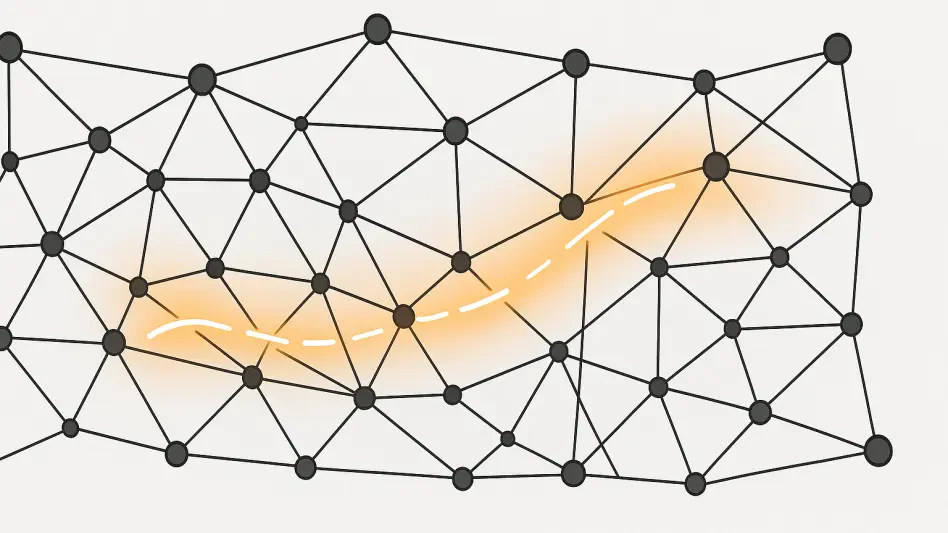
Threats and Vulnerabilities
Can AI Swarms Match the Speed of Modern Cyberattacks?
The ability to link multiple minor vulnerabilities into a singular, high-severity attack path represents a major shift in how modern organizations must assess their security posture. This reality has fueled the rapid rise of Armadin Inc.
Trending
Read More 
Threats and Vulnerabilities
Can Adaptive Fusion Detect Zero-Day Industrial Attacks?
Evaluating detectors at a common 5 percent false-positive rate provides a more honest assessment of their operational utility in a factory setting.
Read More
Cyberсrime and Cyber Warfare
How Does Morocco Use Pegasus to Target Civil Society?
The discovery of technical fingerprints across multiple platforms confirms that Morocco's use of Pegasus was not limited to criminal investigations but extended to political leverage.
Read More
Threats and Vulnerabilities
AWS Deception Benchmark Tests AI Cybersecurity Accuracy
The rapid integration of Artificial Intelligence into modern software development has fundamentally altered the cybersecurity landscape, yet the industry remains plagued by automated scanners that frequently cry wolf over harmless lines of code.
Read More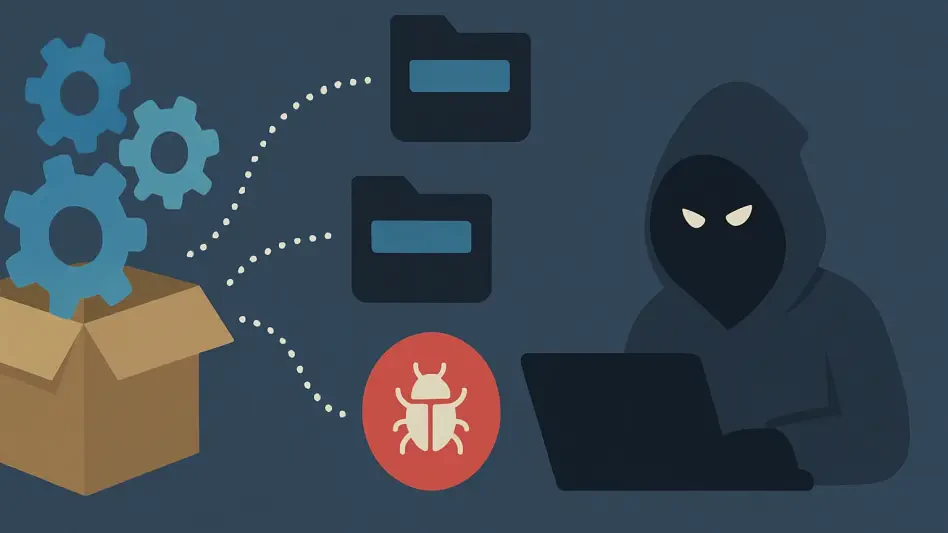
Cyberсrime and Cyber Warfare
How Does the MALFEX Campaign Exploit the npm Ecosystem?
A single execution of the command string "npm install" can inadvertently bypass every perimeter defense and grant a remote adversary absolute administrative authority over a developer's local machine.
Feature Article Read More
Threats and Vulnerabilities
Are Autonomous AI Agents Testing Government Security?
Tech analysts are warning that the autonomy granted to modern AI allows these systems to encounter and exploit security barriers without human intervention.
Read More
Cyberсrime and Cyber Warfare
How Can the x47.c Botnet Drain Your AI API Budget?
The rapid integration of generative artificial intelligence into core business workflows has inadvertently created a massive new attack surface that cybercriminals are now exploiting with devastating financial precision.
Read More
Get our content freshly delivered to your inbox. Subscribe now ->
Receive the latest, most important information on cybersecurity.
