
The precise silence of a surgical suite was replaced by the chaotic hum of a digital emergency when a massive medical technology leader suddenly vanished from the global supply network. This disruption began on March 11, when a sophisticated breach brought Stryker to a sudden standstill. Unlike common data breaches, this intrusion focused on crippling the foundation of modern healthcare operations.
The Cost of Chaos: When State-Sponsored Cyberwarfare Hits the Balance Sheet
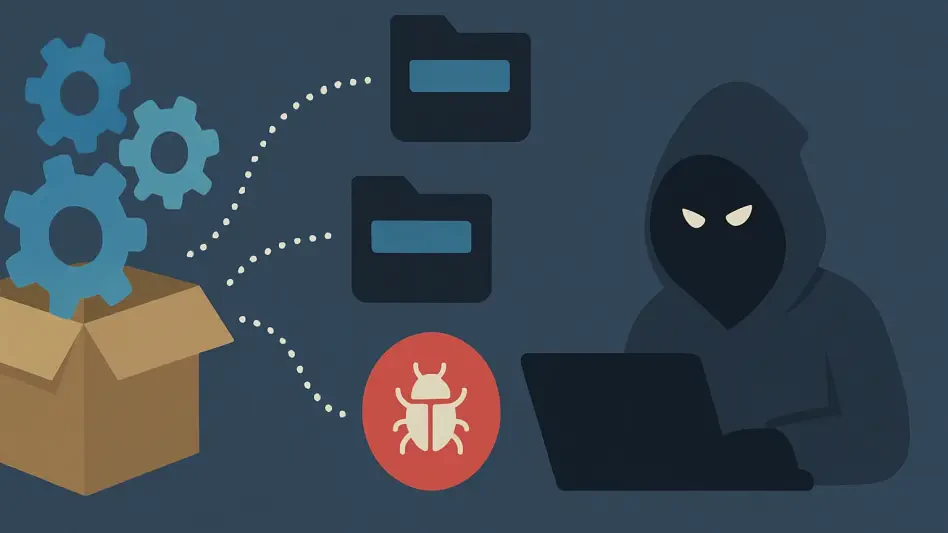
The incident signaled a shift toward more aggressive tactics in the corporate sector. Attackers utilized a destructive wiper strategy, which aims to delete system files rather than simply encrypting them for ransom. This approach turned a standard security incident into an operational catastrophe that required immediate financial disclosure to the public.
Stryker filed an amended report with the Securities and Exchange Commission to address the material impact on its first-quarter results. A single malicious file successfully bypassed defenses, translating into a quantifiable loss on the company balance sheet. This development serves as a reminder that digital vulnerabilities represent significant risks to corporate profitability and stability.
A Vulnerable Lifeline: Why MedTech Is the New Frontline for Global Conflict
Medical technology occupies a unique position within global healthcare infrastructure. By providing essential surgical equipment, companies like Stryker are vital to the daily functioning of hospitals. Consequently, an attack on such a pillar creates a massive ripple effect that extends far beyond corporate offices.
The Iranian-backed group known as Handala claimed responsibility for the intrusion, driven by geopolitical motivations. This strategic targeting forced the United Kingdom’s National Health Service into emergency protocols. Surgeons and hospital staff had to rely on manual ordering systems to prevent dangerous delays in patient care as the supply chain faltered during the outage.
Anatomy of the Disruption: From Microsoft Intune Exploitation to Global Paralysis
The technical execution of the attack revealed a sophisticated understanding of cloud-based administrative tools. By weaponizing the Microsoft Intune environment, the threat actors managed to push destructive commands to thousands of endpoints. This exploitation allowed the wiper software to erase data from devices across the globe in minutes.
The result was a cessation of vital business functions, including electronic ordering and global manufacturing. Shipping operations ground to a halt, creating a logistical nightmare that traditional recovery plans struggled to address quickly. Unlike ransomware, a wiper attack leaves behind a clean slate that necessitates a full and complex system rebuild.
Quantifying the Damage and the Path to Recovery
Regulatory transparency became a priority as the company worked to maintain investor confidence through detailed filings. Forensic experts from Palo Alto Networks joined law enforcement to dissect the breach and identify the entry point. Their investigation confirmed that the chaos originated from a specific malicious file inserted into the network.
Despite the severity of the initial blow, the recovery effort demonstrated organizational resilience. Management confirmed that manufacturing capabilities were restored, and standard ordering processes returned to normal functionality. The company maintained its full-year financial guidance, targeting adjusted earnings between $14.90 and $15.10 per share.
Strengthening the Perimeter: Strategies for Mitigating State-Sponsored Risks
Industry leaders emphasized the need to harden endpoint management systems against the exploitation of administrative tools. It became clear that cloud-based environments required more robust authentication to prevent system erasures. Corporations moved toward implementing manual redundancy requirements to allow core functions to continue during digital collapses.
Stakeholders shifted their focus toward the upcoming earnings call to analyze the total cost of security upgrades. The narrative transitioned from immediate crisis management to long-term defensive strategies. It was determined that future success depended on the ability to anticipate state-sponsored aggression through proactive threat hunting and network segmentation.