
Adopting simple protective habits is the most effective way for students to safeguard their personal data and the integrity of the university’s services. This necessity stems from the fact that an academic environment represents more than just a place of learning; it is a sprawling digital ecosystem containing sensitive research, financial records, and personal identifiers. When a student logs into their institutional account, they are potentially opening a door to an entire network of interconnected resources that cybercriminals are eager to exploit. These bad actors do not merely view students as individuals but rather as high-value entry points into the broader university infrastructure. By gaining access to a single student credential, a hacker might navigate through protected databases or launch internal phishing campaigns that appear legitimate to other users. This vulnerability is exacerbated by the continuous flow of data required for modern education, where digital connectivity is integrated into every aspect of life from enrollment to graduation.
The Strategic Intersection of Campus Life and Digital Risk
The student lifestyle naturally involves a high degree of interaction with external organizations, often under conditions of financial or career-related urgency. Whether applying for part-time employment, seeking specialized scholarships, or chasing student discounts, individuals frequently share their contact information with unfamiliar third parties. This behavioral pattern provides an ideal opening for social engineering tactics, where criminals impersonate legitimate entities to build a false sense of trust. For instance, a deceptive email might appear as a job offer from a reputable company or a notification from a university official regarding a mandatory update to banking details. These scams often utilize psychological pressure, creating a sense of panic that overrides cautious judgment. By mirroring the language and branding of trusted institutions, attackers convince victims to bypass standard security protocols or hand over multi-factor authentication codes that protect sensitive accounts.
While students are frequently the focus of these campaigns, the University of Calgary IT department emphasizes that the threat environment encompasses the entire campus population. Manager Adriana Rovelli has pointed out that faculty and staff are equally susceptible if they fail to maintain constant vigilance, as the techniques used by modern hackers are designed to deceive even tech-savvy individuals. The institutional perspective suggests that the sheer volume of users within the university network creates a massive attack surface where only one person needs to make a mistake for a breach to occur. This reality has shifted the focus from purely technical barriers to a broader educational approach that targets human behavior. The goal is to ensure that everyone, regardless of their role, understands that they are a defender of the university’s digital borders. Recognizing the signs of a phishing attempt—such as unusual sender addresses or requests for sensitive information—remains the first line of defense.
Advancements in Artificial Intelligence and Personal Identity Security
The arrival of 2026 has seen a dramatic shift in the sophistication of cyber threats, largely driven by the widespread adoption of generative artificial intelligence by criminal organizations. Previously, many phishing attempts were easy to identify due to glaring grammatical errors, poor formatting, or awkward phrasing that indicated a lack of familiarity with the target’s language. However, modern AI tools have effectively eliminated these traditional red flags, allowing attackers to generate flawless, professional-grade communications in seconds. These tools also enable the creation of highly personalized messages by scraping publicly available data from social media and academic directories. A phishing email today might reference a specific course, a local campus event, or a recent university announcement, making it nearly impossible for the average recipient to distinguish the fraud from a legitimate communication. This evolution requires a shift from looking for errors to questioning the intent of the message.
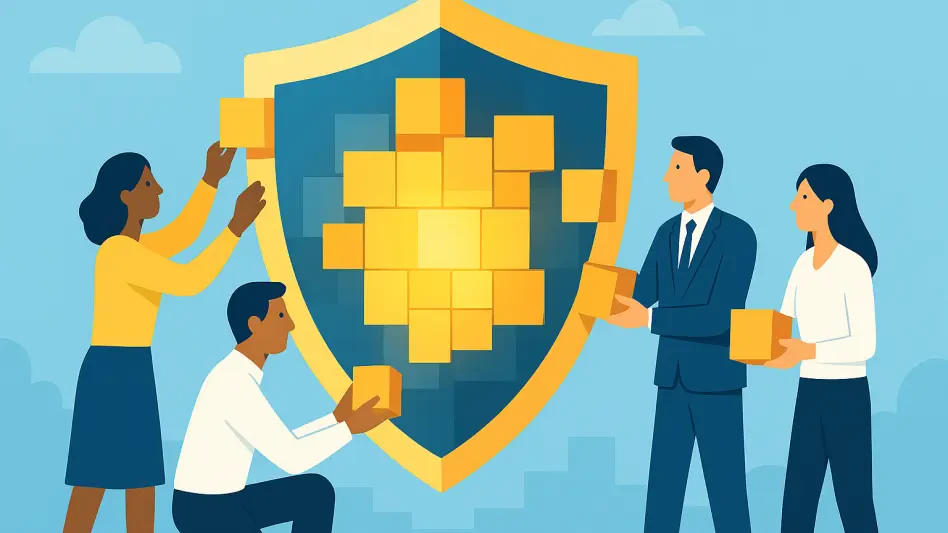
The findings from recent security audits suggested that the most effective defenses relied on a combination of technological tools and a fundamental shift in user behavior. It became evident that when students and faculty members prioritized the compartmentalization of their digital identities, the university’s overall risk profile decreased significantly. This involved the disciplined use of institutional accounts solely for academic purposes, effectively isolating high-value research data from the vulnerabilities of personal online activities. Furthermore, the establishment of a transparent reporting culture ensured that potential mistakes were identified and contained before they could cause widespread damage. The community successfully mitigated the impact of advanced AI-driven threats by adopting a standard of secondary verification for all urgent or unusual requests. Ultimately, these proactive habits formed a robust shield that protected both individual privacy and the integrity of the university’s digital ecosystem.