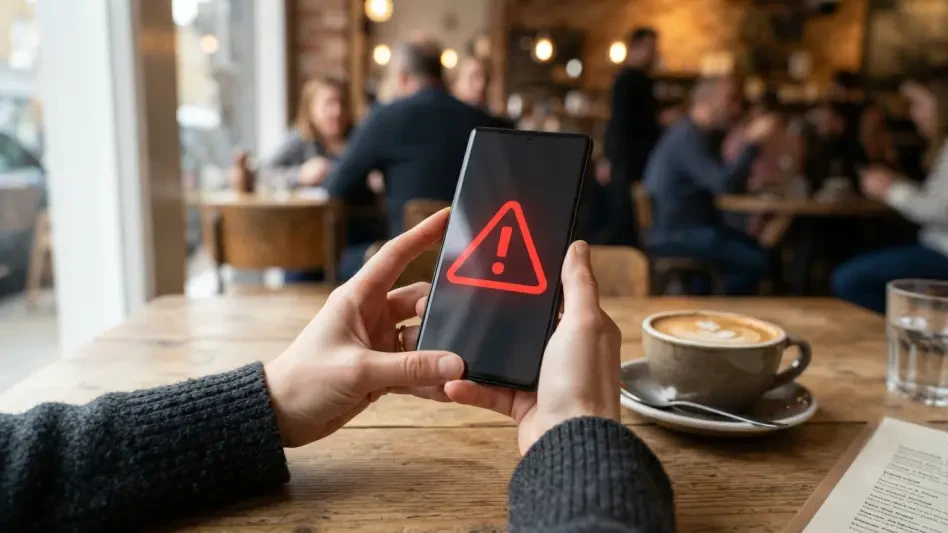
The shift toward account takeover fraud represents a dangerous trend where attackers aim for full control of a digital banking environment rather than simple credit card theft. As mobile connectivity becomes the primary interface for financial management, the frequency of bank impersonation scams has scaled dramatically, utilizing psychological triggers to bypass advanced encryption layers. In 2026, these smishing attempts have evolved into highly personalized attacks that leverage leaked data to appear frighteningly authentic to the average user. Victims often receive a message that mirrors the exact tone and urgency of legitimate fraud alerts, creating a high-pressure environment where logic is sidelined by the fear of immediate financial loss. This systematic exploitation of trust relies on the fact that most consumers still view their mobile devices as inherently secure communication channels. Consequently, understanding the anatomy of these messages is the first step in building a resilient defense against a criminal industry that now generates billions in illicit revenue annually through the manipulation of human behavior.
The Trap of Malicious Links and Communication Engagement
Interacting with hyperlinks embedded in unsolicited text messages remains one of the most significant vulnerabilities in the current cybersecurity ecosystem. These links frequently direct users to meticulously crafted clone websites that serve as digital replicas of authentic banking portals, designed to harvest credentials the moment they are entered. Unlike the primitive phishing attempts of the past, modern 2026-era scam sites use dynamic content and responsive design to ensure they appear legitimate on any mobile device. When a user enters their username and password into these fraudulent interfaces, they are not logging into their account but are instead handing the keys to their entire financial life directly to a malicious actor. This technical deception is often bolstered by look-alike URLs that utilize subtle character substitutions, such as using the number one instead of the letter ‘l’ to deceive the eye. Bypassing these links entirely is the only guaranteed way to maintain the integrity of personal banking information.
Furthermore, any form of direct engagement with a suspicious SMS, even a simple reply like “STOP” to opt out, inadvertently validates the target for the scammer. This response confirms to the criminal that the phone number is active, monitored, and that the recipient is responsive to messages concerning their finances. Once this validation occurs, the individual is often moved into a high-priority database for more complex social engineering schemes, including voice-based pretexting. In these scenarios, a follow-up call from a fake bank official may occur within minutes, using the initial text as a prop to establish credibility and trust. This escalation demonstrates that the initial text is merely the entry point for a multi-stage attack designed to wear down the victim’s defenses. Maintaining silence and deleting the message without interaction is a critical defensive measure that prevents the attacker from gathering any further intelligence about the potential target or their behavioral patterns.
Safeguarding Verification Codes and Verified Contact Channels
A particularly aggressive tactic in the current landscape involves the unauthorized acquisition of one-time passcodes, which are designed to serve as the final layer of multifactor authentication. Scammers often initiate a login sequence on a legitimate banking site using previously stolen credentials, which triggers an authentic verification code sent by the bank to the user’s phone. The criminal then sends a spoofed message or places a call pretending to be a security representative, claiming they need that specific code to verify the user’s identity or block a fraudulent transaction. In reality, providing this code allows the attacker to finalize their login and gain total access to the account, bypassing all primary security measures. It is imperative to remember that no legitimate financial institution will ever contact a customer to request a security code or a personal identification number. These codes are strictly for the user’s private entry and must never be shared under any circumstances.
Scammers also frequently include fraudulent “hotline” numbers within their text messages, encouraging the recipient to call immediately to resolve a supposed account freeze or unauthorized charge. These phone numbers connect to sophisticated, criminal-run call centers where operators are trained to mimic the professional demeanor of actual banking staff. They may use specialized software to replicate the background sounds of a busy office or play convincing hold music to further the illusion of legitimacy. Once on the phone, these actors guide the victim through steps that seem helpful but are actually designed to extract sensitive data or authorize fraudulent transfers. To avoid this trap, consumers must completely disregard any contact information provided within a text message. The only reliable method for reaching a financial institution is to use the official phone number found on the back of a physical debit or credit card or via the bank’s verified mobile application, ensuring the connection is secure.
Addressing Identity Spoofing and Financial Transfer Schemes
The technical ability of scammers to spoof sender identities has significantly increased the success rate of bank impersonation attempts. By manipulating the metadata of a text message, criminals can make their fraudulent alerts appear within the same conversation thread as authentic messages from a bank. This creates a powerful cognitive bias, as the recipient assumes that if the message is grouped with real notifications, the content must also be genuine. However, digital identification in the mobile space is notoriously easy to fabricate, making the sender’s name an unreliable metric for security. Users must pivot their focus toward the nature of the request itself rather than the visual layout of the thread. A legitimate bank will not use SMS to demand immediate action or sensitive information, especially when the message contains high-pressure language. Recognizing that a thread can be compromised through technical means allows for a more skeptical and safer evaluation of every incoming communication regardless of its apparent origin.
Another devastating trend involves the “safe account” scam, where victims are manipulated into believing their current funds are in jeopardy and must be moved to a protected destination. Scammers leverage peer-to-peer payment platforms or wire transfers to convince individuals that they are merely shifting their money to a temporary, government-backed account for security purposes. In reality, these transfers are irreversible and send the funds directly into the scammer’s control. This tactic exploited the increased speed of modern payment systems, which often process transactions instantly, leaving little room for error or recovery. From 2026 to 2028, financial experts expect these peer-to-peer fraud losses to continue rising as long as users remain unaware of the fundamental rule of banking: no bank will ever ask a customer to transfer their own money to another account to “protect” it from a third party. Understanding that these requests are inherently fraudulent is essential to preventing the total depletion of one’s savings.
Implementing Effective Remediation and Proactive Reporting
In the event that an individual realizes they have interacted with a malicious link or shared sensitive information, the speed of the subsequent response is the most critical factor in mitigating financial damage. The first step must always be to contact the financial institution directly through a verified channel to report the potential compromise. This allows the bank to freeze accounts, cancel compromised cards, and reset security credentials before the attacker can execute significant transfers. Furthermore, documenting the timeline of the incident and any specific messages received can assist the bank’s internal fraud department in their investigation. Delaying these actions can complicate the process of disputing unauthorized transactions and may impact the consumer’s liability under federal regulations. A proactive approach to damage control not only stops ongoing theft but also provides the necessary foundation for legal and financial recovery, ensuring that the institution is fully aware of the breach at the earliest possible moment.
Beyond individual remediation, reporting these fraudulent messages to mobile carriers and regulatory bodies plays a vital role in dismantling criminal infrastructure. Forwarding suspicious texts to the short code “7726” allows cellular providers to analyze the data and block the sender’s number across their network, preventing the scam from reaching thousands of other potential victims. Additionally, filing a report with agencies like the Federal Trade Commission helps law enforcement agencies track the scale of these operations and identify emerging patterns in criminal behavior. This collective intelligence is essential for developing better filtering technologies and public awareness campaigns. By adopting a zero-trust mindset toward mobile communications, users contribute to a broader culture of security that makes it increasingly difficult for scammers to operate. This defensive posture, combined with the regular use of security features such as hardware-based authentication keys, creates a multi-layered barrier that protects personal assets from even the most sophisticated digital threats.
The Evolution: Strategies for Enduring Financial Security
The comprehensive analysis of bank impersonation tactics demonstrated that the human element remained the most vulnerable point in the financial security chain. While technology provided the tools for spoofing and deception, it was ultimately the user’s behavioral response that determined the outcome of an attack. Experts recommended that individuals maintained a high level of technical skepticism and prioritized verified communication channels over the convenience of SMS alerts. It was discovered that the most successful defenses involved a combination of administrative vigilance and the immediate reporting of suspicious activity to both banks and carriers. By refusing to engage with high-pressure demands and protecting verification codes as sensitive assets, consumers successfully shielded their funds from account takeover attempts. This transition toward a more informed and cautious digital lifestyle proved essential as the landscape of financial crime became more complex. Ultimately, the integration of these actionable security protocols ensured that personal savings stayed out of reach for cybercriminals, preserving the integrity of the digital banking environment.