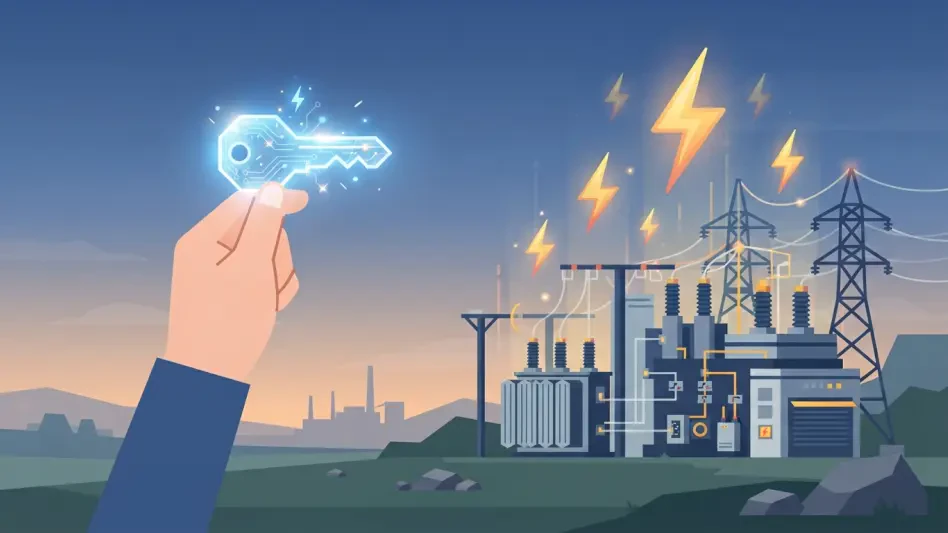
By synthesizing technical knowledge with behavioral psychology, the company is positioning itself as a secure utility provider against modern cyber exploits. On November 4, 2026, FirstPower Electricity Distribution Company Limited inaugurated a comprehensive cybersecurity training program at its headquarters in Awka, Anambra State. This high-level initiative was specifically crafted to strengthen the company’s internal defenses against an increasingly sophisticated landscape of digital threats. By engaging executive management and operational leads, the organization aims to build a human firewall capable of safeguarding sensitive infrastructure, ensuring business continuity, and protecting customer information. Managing Director Engr. Okechukwu Okafor emphasized that as the company transitions more operations to digital platforms, the attack surface expands significantly. He noted that while technical safeguards are essential, the human element remains the most common point of failure for many organizations today, requiring a permanent shift toward proactive vigilance and strict digital hygiene.
Identifying and Neutralizing Modern Digital Risks
Analyzing Current Cyber Tactics and Social Engineering
The training provided an in-depth look at the diverse methods utilized by modern cybercriminals, moving far beyond basic virus protection to address the nuanced realities of social engineering. Experts detailed the dangers of phishing and Business Email Compromise, where deceptive communications are used to trick employees into authorizing fraudulent payments or surrendering sensitive credentials. These attacks have become increasingly difficult to distinguish from legitimate corporate correspondence, often leveraging psychological triggers like urgency or authority to bypass rational judgment. By understanding these tactics, staff members are better equipped to recognize the subtle red flags that characterize a targeted breach attempt. This education is vital because traditional firewalls cannot block an authorized user who has been manipulated into opening a backdoor for an external actor. Consequently, the organization is prioritizing deep understanding of the adversary’s playbook as the primary line of defense for its operational integrity.
Addressing the Rise of Artificial Intelligence in Cybercrime
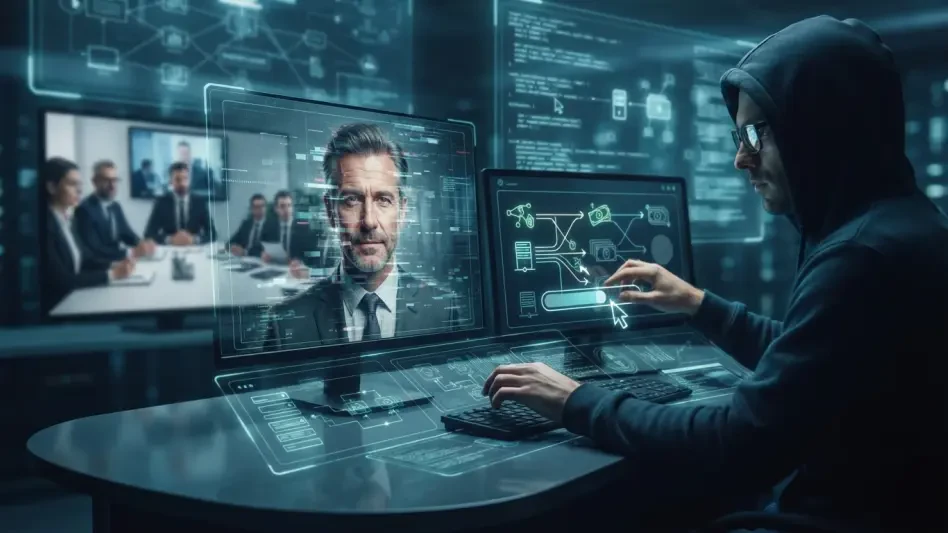
A significant portion of the seminar was dedicated to emerging threats driven by artificial intelligence, such as deepfakes and synthetic media. Facilitators warned that criminals can now mimic the voices or appearances of high-ranking executives to bypass standard security protocols and authorize illicit transactions. As these tools become more accessible, the ability to generate hyper-realistic audio or video for fraudulent purposes has created a new frontier for corporate espionage and theft. For a utility company like FirstPower, the risk is particularly high during financial approvals or sensitive infrastructure changes where verbal authorization might have been considered sufficient in the past. To counter these advanced exploits, staff were instructed to adopt a trust but verify mindset, utilizing secondary communication channels to confirm the legitimacy of any high-risk requests. This protocol requires an independent method to confirm the instruction before taking action to neutralize the effectiveness of deepfakes.
Implementation of Security Protocols and Operational Standards
Establishing Mandatory Best Practices for Personnel
To mitigate vulnerabilities, FirstPower has outlined a series of mandatory protocols for all staff members, focusing on the core principles of identity management and credential security. These include the implementation of robust Multi-Factor Authentication across all company accounts, ensuring that a password alone is never enough to grant access to sensitive systems. The initiative set strict requirements for the creation of unique, complex passwords that are updated regularly to prevent credential stuffing attacks. Additionally, the initiative set strict guidelines regarding device integrity, such as the safe handling of removable storage media and the use of approved corporate applications. Unauthorized USB drives and unverified software downloads are frequently the primary vectors for malware infection, and the new policy strictly prohibits their use on company-issued hardware. Guidelines also cover the risks associated with internet browsing and remote work environments to ensure that access does not create a vulnerability.
Promoting a Culture of Transparency and Reporting
The initiative utilized a hierarchical training model to ensure that security awareness trickled down from department heads to every district office. A cornerstone of this strategy involved the formal introduction of a no-shame reporting policy, which encouraged employees to immediately disclose accidental breaches without fear of retribution. This cultural shift prioritized rapid threat containment over the concealment of mistakes, which historically led to far greater operational damage. Looking ahead, the company committed to integrating these cybersecurity protocols into its long-term strategic planning to safeguard the reliability of the power grid. This proactive stance helped the organization maintain public trust while navigating the complexities of a modern, interconnected energy landscape. Ultimately, the initiative proved that a well-informed staff was the most effective defense against persistent digital challenges. Continuous evaluation and adaptive measures provided the foundation for a secure and sustainable future.