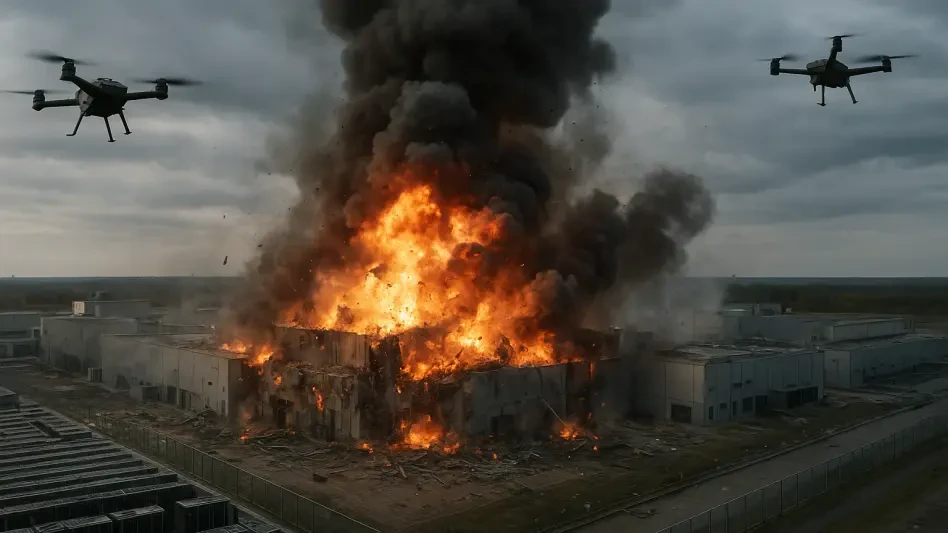

The silent operation of water filtration systems and electrical power grids relies on a complex web of digital signals that are becoming prime targets for increasingly sophisticated global cyber threats. As these threats evolve from mere digital nuisances into tangible physical risks, the defense of essential systems has transitioned from a back-office IT concern to a primary matter of national security. This shift highlights the vulnerability of the automated processes that manage everything from municipal lighting to wastewater treatment.
The recent partnership between OSC Global and the Operational Technology Cybersecurity Coalition (OTCC) marks a decisive step away from theoretical defense toward a model of practical, hands-on security. This alliance recognizes that in the high-stakes world of operational technology, the distance between a security policy and its physical implementation can determine the survival of critical services. When a system fails, the consequences are not measured in lost data but in the disruption of vital public utilities.
The Digital Pulse of Modern Society: Why Infrastructure Can No Longer Wait
Modern civilization is powered by an invisible layer of operational technology that requires constant vigilance to remain functional. Because the risks associated with these systems are now tied to physical safety, waiting for a breach to occur is no longer a viable strategy for any responsible organization. The collaboration between field experts and policy advocates ensures that the defense of these systems is prioritized at every level of governance and industry.
This partnership moves beyond traditional IT boundaries to address the unique needs of industrial control systems that cannot be patched or rebooted without significant planning. By treating infrastructure security as a dynamic and ongoing requirement, the coalition creates a protective shield for the services communities take for granted. This proactive approach is essential for maintaining public trust in the reliability of the systems that define modern life.
Bridging the Divide Between Policy and Practical Engineering
Historically, the cybersecurity landscape has been dominated by technology providers who build tools and asset owners who operate facilities. While both play essential roles, a critical link has often been missing from the conversation: the system integrator. Integrators serve as the essential translators of the industrial world, turning complex security protocols into functional realities within highly regulated and often aging environments.
By integrating specialized field expertise into the OTCC, the coalition ensures that new policies are practically achievable in the world of live industrial operations. This bridge allows for a realistic assessment of how security controls interact with legacy hardware that may be decades old. Without this practical engineering lens, even the most advanced security frameworks risk remaining theoretical concepts that cannot be safely deployed in sensitive environments.
Moving Beyond Industrial Silos to Foster Operational Interoperability
For far too long, industrial security was hampered by a silo mentality where proprietary systems and competitive secrets took precedence over collective safety. The collaboration between OSC Global and the OTCC challenges this status quo by championing technology-neutral solutions that prioritize the functional requirements of the operator. This shift toward interoperability ensures that security measures can be applied across diverse platforms without being hindered by vendor restrictions.
Moreover, sharing lessons learned from the field creates an environment where a breakthrough in one sector can quickly fortify another. When organizations stop competing on security and start collaborating on defense, the entire infrastructure ecosystem becomes more resilient. This approach fosters a landscape where agility and compatibility are the primary metrics for success, ensuring that defense mechanisms are as interconnected as the systems they protect.
Leveraging Expert Insights to Drive Collective Responsibility
Advocates for a unified front emphasize that the necessity of shared expertise is paramount in the face of sophisticated global threats. Experts within the coalition highlight that the most dangerous risks are often the ones that have yet to be identified, requiring a collaborative stance rather than a reactive one. This collective responsibility extends to the federal government, where there is an urgent call for scaling real-time, bidirectional information sharing between sectors.
By deepening the operational ties between the public sector and private implementers, the OTCC aims to transform static guidance into a dynamic defense mechanism. This collaboration ensures that as new vulnerabilities emerge, the technical details of their mitigation are disseminated quickly to the people who manage the hardware. A unified front effectively closes the gaps that attackers exploit when communication between different entities remains fragmented or delayed.
Strategies for Scaling National Resilience and Cross-Sector Visibility
Building a resilient future necessitated a framework that accounted for the deep interdependencies of modern infrastructure. Since a failure in the energy sector often triggered cascading collapses in transportation or water treatment, cross-sector visibility became a non-negotiable requirement for mission assurance. Implementing this level of security demanded a commitment to closing the gap between the creators of technology and the experts who deployed it daily.
Practical strategies for this transition involved prioritizing open-standard communications and establishing formal channels for cross-industry threat intelligence. Joint simulation exercises that modeled the ripple effects of infrastructure failures provided the necessary data to harden systems against multifaceted attacks. These steps ensured that the fundamental systems underpinning society were not just protected but were intentionally built to endure through periods of intense disruption.