The sudden realization that a digital adversary thousands of miles away could theoretically compromise the drinking water of a quiet Midwestern town became a stark reality for Minnesota residents during the summer of 2026. This period saw a series of coordinated cyberattacks targeting small-town water systems, a development that signaled a dangerous shift in the landscape of national security and critical infrastructure protection. While large-scale financial institutions and urban power grids have long been the focus of defensive strategies, these recent events proved that rural utilities are now equally prominent targets for sophisticated state-sponsored actors. Over thirty utilities faced direct attempts to disrupt their operational technology, revealing that geographic isolation provides no shield against modern digital warfare. Although these specific incidents did not result in widespread contamination, they shattered the complacency of local governments who previously believed their systems were too obscure to attract such aggressive international attention.
Technical Tactics: The Mechanics of Operational Disruption
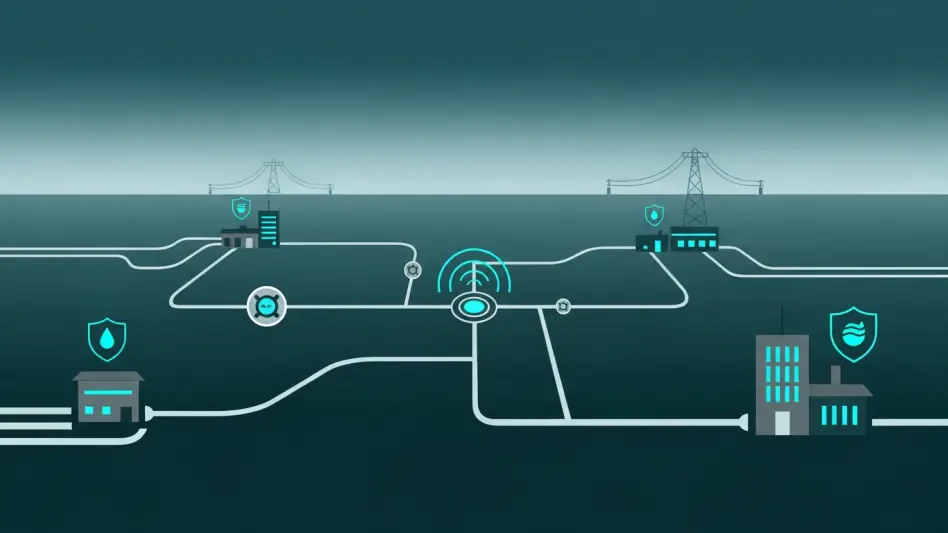
The technical strategy behind the recent breaches involved the deliberate exploitation of internet-accessible industrial control systems, bypassing traditional security layers that were supposed to isolate critical infrastructure. Unlike common cybercrimes that rely on phishing or data theft for financial gain, these attacks were designed purely for operational disruption, utilizing specialized techniques to impair process control and inhibit system recovery. The attackers specifically targeted the computerized systems that manage water towers and lift stations, with a focus on those relying on cellular communication for remote monitoring. By targeting these essential components, the adversaries aimed to cause equipment malfunctions and take systems offline, forcing plant operations to stall and complicating the restoration of normal service. This level of technical precision suggests that the attackers possessed a deep understanding of the specific hardware and software used to manage North American water utilities.
Beyond the initial entry into the networks, the adversaries focused on creating operational friction that would require significant manual intervention to resolve. This approach was designed to exhaust local resources and cause social anxiety by demonstrating that even basic municipal services are vulnerable to remote tampering. In many cases, the goal was not to destroy the infrastructure but to render it unreliable, forcing operators to question the integrity of their automated data and safety sensors. This incident served as a wake-up call for utility operators across the country, stressing that digital threats can have very real physical consequences for local communities. The ability of an external actor to toggle valves or disable pumps remotely highlights a critical vulnerability in the widespread adoption of remote management tools. Consequently, the reliance on interconnected technology has introduced a new vector of risk that many small-town operators were simply not prepared to defend against in an increasingly hostile digital environment.
Geopolitical Attribution: Identifying the Threat Actors
Investigators have noted that the tactics used in these attacks mirror the established patterns of Iranian-linked threat groups, which have a documented history of targeting United States critical infrastructure. These actors specifically seek out “low-hanging fruit,” targeting devices with weak or default security settings that are directly exposed to the public internet through various search engines. This pattern suggests a geopolitical strategy intended to probe American utility networks and demonstrate a capability to disrupt essential services without triggering a full-scale kinetic conflict. By focusing on smaller municipalities, these groups can test their tools and techniques in environments with fewer defensive resources while still achieving a significant psychological impact. The attribution of these activities to state-sponsored entities underscores the fact that local water systems are now pawns in a much larger global game of digital signaling and strategic deterrence.
The selection of small and rural utilities as primary targets is a calculated move to exploit the “security through obscurity” myth that has persisted in the sector for decades. Foreign adversaries have become increasingly adept at scanning for remote-access vulnerabilities in domestic infrastructure, identifying targets that have transitioned to digital platforms without corresponding upgrades in security protocols. For these groups, the objective is to create a sense of pervasive vulnerability, making it clear that no corner of the country is beyond their reach. This proactive probing of American infrastructure allows these actors to map out the interconnected nature of the nation’s utility grids, identifying potential points of failure that could be exploited in future escalations. The persistent nature of these threats indicates that the focus on water systems is part of a long-term strategy to undermine the stability of the domestic environment through the constant threat of service interruption and potential equipment damage.
Structural Vulnerabilities: Why Rural Networks Remain Targets
Small and rural utilities are particularly vulnerable because they often operate on tight budgets and lack the specialized cybersecurity personnel found in major metropolitan areas. Many of these systems have historically relied on isolated analog setups but have recently shifted toward interconnected digital platforms to improve efficiency and lower operational costs. However, this transition frequently occurs without the necessary investment in staff training or robust network hardening, leaving the systems exposed to anyone with the skills to find them online. In many towns, the person responsible for the water supply is also managing several other municipal departments, meaning that cybersecurity is often a secondary concern rather than a primary operational priority. This resource gap creates a significant disadvantage when defending against state-sponsored actors who have the time, funding, and technical expertise to conduct exhaustive searches for vulnerabilities.
Furthermore, the aging infrastructure in many rural communities complicates the implementation of modern security standards, as legacy equipment may not support encryption or multi-factor authentication. When these older components are connected to the internet via modern cellular modems to allow for remote troubleshooting, they become significant security liabilities that are difficult to patch or update. This historical reliance on older technology, combined with a lack of rigorous digital hygiene, has created a perfect storm for cyber adversaries looking for easy entry points into the American power and water grids. The disparity in security posture between large-scale urban utilities and small rural cooperatives highlights a critical weakness in the national defense of essential services. Without a centralized effort to provide technical support and financial resources to these smaller entities, the gap in infrastructure resilience will continue to widen, leaving rural populations disproportionately exposed to digital interference.
Path Toward Resilience: Securing Critical Infrastructure
A significant factor in these ongoing vulnerabilities is the widespread struggle to meet federal security requirements and current industry standards. Reports indicate that many water systems nationwide have found it difficult to complete the comprehensive risk assessments or develop the robust emergency response plans mandated by the Environmental Protection Agency. This regulatory gap leaves many providers unprepared for the reality of modern cyber warfare, where digital infrastructure is treated as a primary target by sophisticated adversaries. Bridging this gap requires more than just updated checklists; it necessitates a fundamental change in how local governments perceive the relationship between digital connectivity and physical safety. Strengthening these defenses requires a collaborative effort between local, state, and federal agencies to transform utility security from a luxury or a secondary concern into a national priority that receives consistent funding and oversight from the highest levels of government.
To address these systemic weaknesses, local governments implemented several critical security measures that fundamentally altered their defensive posture. Experts recommended a total shift toward strict network segmentation, ensuring that operational technology was entirely isolated from the public internet and corporate office networks. Furthermore, the industry adopted multi-factor authentication for all remote access points, which effectively ended the era of unauthorized entry via compromised credentials. Public utility boards also prioritized the training of staff in manual operation protocols, ensuring that service could continue even if the digital interface was disabled. These initiatives were bolstered by federal grants that allowed smaller municipalities to hire specialized cybersecurity contractors for regular system audits. By moving away from a reliance on default configurations and embracing a culture of continuous vigilance, these communities successfully fortified their most essential resource against foreign interference.