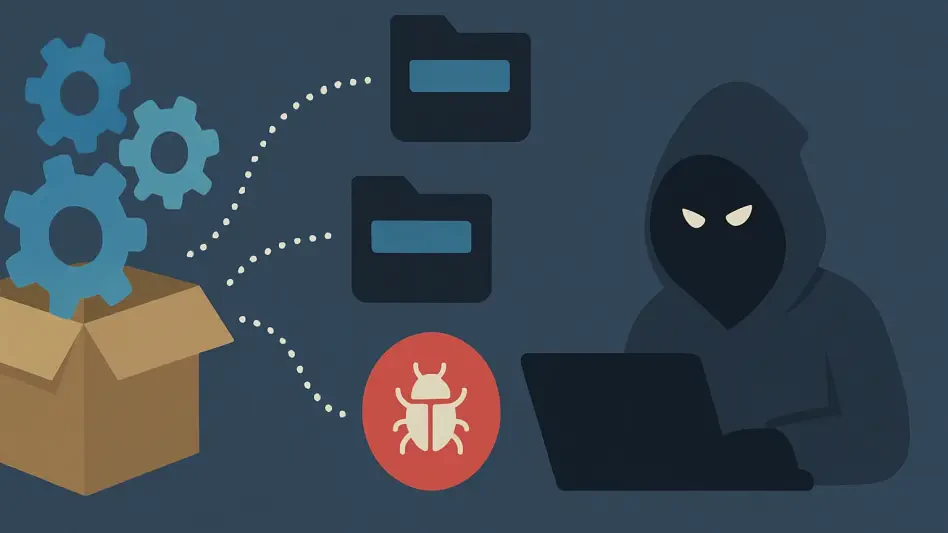

Between May 10 and August 8, 2026, detailed order information for customers in seven different countries was compromised during an unauthorized intrusion into ShipMonk’s internal database systems. This incident highlights the paradox of modern digital security: while a hardware wallet provides a nearly impenetrable fortress for cryptographic keys, the logistical infrastructure required to deliver that fortress remains susceptible to traditional cyberattacks. The breach did not compromise the underlying security of the Trezor devices themselves or the company’s internal software, but it did expose the personal details of 13,689 users who were simply awaiting their orders. As the cryptocurrency industry continues to mature in 2026, hackers are increasingly shifting their focus away from the hardened targets of encrypted silicon and toward the softer targets found in third-party supply chains. This shift represents a significant challenge for companies that prioritize privacy but must rely on external logistics partners to manage global shipping and handling.
Analyzing the Scope and Origin of the Data Leak
The breach originated from an unauthorized access point within the third-party logistics provider’s digital infrastructure, specifically targeting a database that managed international shipments. This environment contained sensitive metadata that, while not including financial credentials or private keys, offered a comprehensive look into the purchasing habits and physical locations of thousands of cryptocurrency enthusiasts. For the affected customers, the exposure included their full names, precise shipping addresses, and contact phone numbers, all of which were harvested during the three-month window of the intrusion. This type of data is particularly valuable on the dark web because it identifies a specific demographic of individuals who are known to possess digital assets, making them prime targets for future exploitation. The incident demonstrates that the perimeter of a hardware company effectively extends to any partner that handles customer data, regardless of how many miles away the actual fulfillment center is located.
The Mechanics of the Security Failure
The technical nature of the breach involved a sophisticated bypass of database security protocols, allowing unauthorized actors to extract shipment records associated with specific merchant accounts. Investigators determined that the attackers gained entry through a vulnerability in the fulfillment partner’s internal dashboard, which was used to track deliveries and manage customer queries. For several months, the intruders maintained a low profile, systematically harvesting data without triggering the standard behavioral alerts that typically protect such sensitive repositories. This methodical approach allowed them to capture a substantial volume of data before the intrusion was eventually detected and neutralized by the specialized security team. The incident underscores the reality that even when a primary company maintains rigorous security protocols, the security of their customers’ data is only as strong as the weakest link in the broader fulfillment ecosystem, necessitating more stringent auditing of third-party digital gateways.
Targeted Demographics and Geographic Impact
Geographically, the impact was widespread, hitting customers across the United States, United Kingdom, Sweden, and several other European and South American nations. By gaining access to specific regional order data, malicious actors can now launch localized and highly convincing social engineering campaigns tailored to the specific languages and customs of the victims. These attackers focus on utilizing leaked metadata to build trust, making their fraudulent communications appear as legitimate updates from a trusted service provider or local logistics firm. For a customer in Sweden, for example, receiving a text message in their native tongue regarding a specific order placed in June creates a false sense of security that a generic phishing email could never achieve. This regional targeting transforms a simple data leak into a multi-front psychological operation, where the goal is to manipulate the user into making a critical security error, such as revealing a recovery seed or downloading malicious software onto their primary device.
Navigating the Elevated Threat Environment
This breach is not an isolated event but rather fits into a broader pattern of supply chain vulnerabilities that have plagued the technology sector throughout 2026. While hardware manufacturers invest millions into securing their own internal environments, they often lack direct control over the security posture of the vendors they hire for marketing, logistics, and customer support. This vulnerable segment of the industry remains a primary target for cybercriminals because the reward-to-effort ratio is significantly higher than attempting to crack the encryption on the devices themselves. By targeting a logistics provider like ShipMonk, attackers gain access to a centralized pool of high-value targets across multiple brands and regions simultaneously. This systemic issue forces a necessary reevaluation of how partnerships are audited and how much data is shared with external parties. The industry is reaching a tipping point where traditional logistics models may no longer be compatible with the privacy demands of users.
The Rise of Sophisticated Phishing Scams
In the aftermath of the leak, the threat landscape transitioned from data theft to active exploitation through highly targeted phishing and smishing campaigns. Armed with the knowledge of exactly what a customer purchased and where they live, scammers are now crafting messages that mimic official courier notifications or urgent security alerts from the hardware manufacturer. These fraudulent communications often direct users to cloned websites that look identical to the legitimate interface, where they are prompted to enter their recovery seeds to validate their accounts or update their firmware. The level of personalization in these attacks is particularly dangerous, as the inclusion of a customer’s real name and order history can bypass the natural skepticism of even experienced cryptocurrency users. It is a stark reminder that the ultimate line of defense is not technical, but behavioral, requiring a commitment to never sharing a recovery phrase under any circumstances for any reason or to any person.
Practical Solutions for Enhanced Digital Safety
The resolution of the ShipMonk incident provided a blueprint for how hardware providers managed systemic risks in a complex global market. Security experts recommended that users adopted more rigorous privacy habits, such as using dedicated email aliases and secondary phone numbers for all digital asset-related purchases to prevent cross-platform tracking. These practices were supported by the introduction of new industry standards that mandated more frequent security audits for third-party logistics firms handling sensitive customer information. Trezor eventually finalized its transition to a zero-knowledge logistics framework, which ensured that no single entity in the supply chain held a complete set of customer data at any given time. This shift effectively neutralized the threat of large-scale leaks by distributing information across multiple secure channels. Ultimately, the lessons learned from this breach accelerated the development of a more resilient ecosystem where privacy was not just a feature, but a fundamental component of the customer lifecycle.