When a developer executes a simple installation command in the quiet hours of a Tuesday morning, they rarely suspect that a single character mistake could dismantle the security of an entire corporate network. This deceptive simplicity defines the modern landscape of supply chain attacks, where the boundary between a trusted tool and a weaponized script is thinner than a single keystroke.
Veracode Threat Research recently uncovered how a malicious clone named buildrunner-dev targeted the legitimate buildrunner tool to infiltrate development environments. This exploit proved that the most dangerous threats do not attempt to break down the front door; instead, they wait for an unsuspecting user to invite them in through a common typo.
A Single Typosquat Can Compromise an Entire Development Environment
The discovery of buildrunner-dev served as a stark reminder that typosquatting remains a highly effective vector for initial access. By mimicking a popular package, threat actors exploited the implicit trust developers placed in the NPM registry, allowing malicious code to bypass the initial skepticism that usually accompanies new software.
This specific campaign demonstrated how easily a standard workflow could be transformed into a full-scale system breach. Once the package was installed, it immediately initiated a series of background processes that were entirely invisible to the user, highlighting the vulnerability of environments that lacked automated package verification.
The Evolution of Stealth in Open-Source Registries
The NPM ecosystem has become a primary target for sophisticated actors because it sits at the foundation of modern software development. As security scanners became more adept at identifying traditional malware signatures, attackers shifted toward multi-stage delivery systems that exploited the inherent trust in third-party dependencies.
This trend represented a strategic move away from noisy attacks toward low and slow persistence. The initial entry point was no longer the end goal but merely the first layer of a complex architecture designed to evade detection while establishing a long-term foothold within the victim’s infrastructure.
Layered Obfuscation and the Architecture of the Buildrunner-Dev Attack
The infection process of buildrunner-dev was a masterclass in technical deception, starting with a functional-looking package that triggered a malicious script. This script downloaded packageloader.bat, a massive file containing over 1,600 lines of code where 98% of the content was purely random noise designed to trip up automated detection tools.
Beyond the noise, the malware actively scanned the host system for specific antivirus software such as ESET or Malwarebytes. It employed the Windows fodhelper.exe tool to escalate privileges silently, eventually cloning itself into hidden directories under the name protect.bat to ensure its survival even if the initial package was deleted.
Decoding Steganography and the Deployment of the Pulsar Trojan
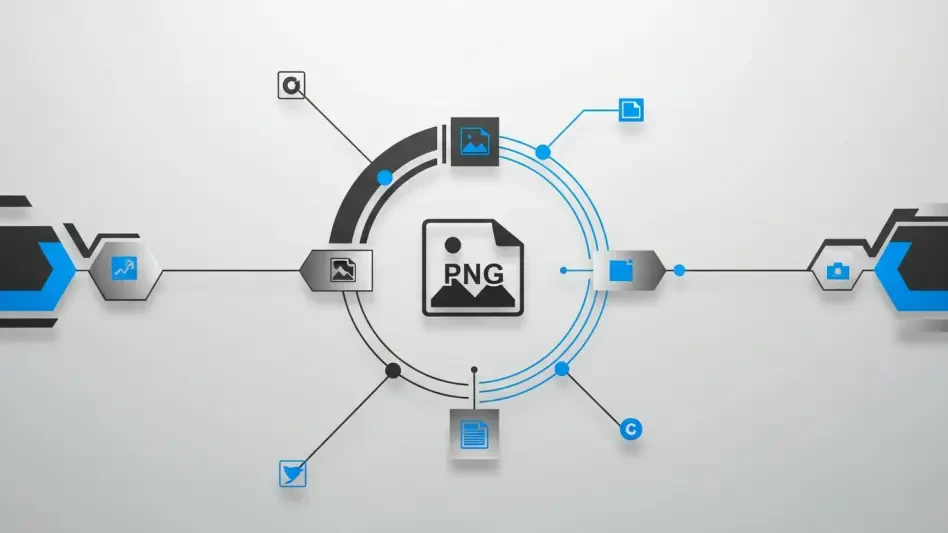
One of the most innovative phases of this campaign involved steganography, which hid malicious data inside a seemingly harmless PNG image. The script was programmed to read the specific RGB values of pixels to reconstruct the final payload, allowing the malicious instructions to travel through network filters that only saw a standard image file.
This hidden data facilitated process hollowing, a technique where the malware injected its instructions into the memory space of a legitimate, trusted process. The ultimate payload was the Pulsar Remote Access Trojan, which granted attackers total control over the system while residing in memory under nonsensical filenames to avoid standard monitoring tools.
Essential Protocols for Vetting Third-Party Dependencies
To defend against these increasingly deceptive tactics, developers implemented strict vetting processes that included verifying the maintainer history of every package before installation. This proactive stance was supplemented by the use of software composition analysis tools that looked for anomalous behaviors rather than just known signatures.
Organizations also treated every non-executable file, including common images and documentation, as a potential carrier for malicious payloads. By prioritizing the verification of internal scripts and monitoring for unauthorized network requests, security teams maintained the vigilance necessary to secure the software supply chain against the next generation of silent threats.