The silent infiltration of corporate networks has reached a new level of sophistication as ViperTunnel demonstrates how a script-based backdoor can outmaneuver traditional perimeter defenses. This technology represents a pivot toward long-term persistence, where the goal is not immediate disruption but the quiet cultivation of access for future exploitation. Emerging as a follow-up to initial compromises, it serves as a critical bridge between a simple breach and a full-scale ransomware deployment.
ViperTunnel is not a standalone entry tool; rather, it thrives as a secondary infection that solidifies a foothold after systems are first compromised by loaders like SocGholish. By operating within the Python ecosystem, it bypasses many signature-based scanners that typically flag compiled binaries. This relevance is amplified in the current landscape, where the monetization of system access has become a professionalized industry, linking low-level intrusion groups with high-tier ransomware syndicates.
Technical Architecture and Stealth Mechanisms
The sitecustomize.py Auto-Execution Strategy
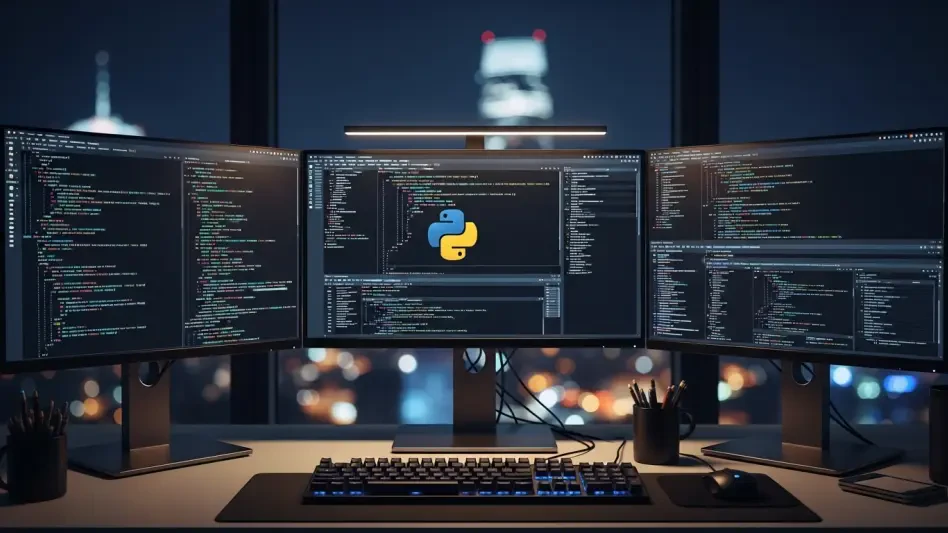
The brilliance of this framework lies in its exploitation of the sitecustomize.py file, a legitimate component of the Python interpreter designed for environment configuration. By placing malicious code here, attackers ensure that the backdoor executes automatically every single time any Python script or application runs on the system. This method is exceptionally difficult to detect because it does not rely on common persistence triggers like registry keys or scheduled tasks.
Security teams often overlook such configuration files, viewing them as part of the benign development environment. However, this strategy turns the interpreter itself into a delivery vehicle. Unlike traditional malware that runs as a distinct process, ViperTunnel blends into the legitimate operational flow of the host machine, making it nearly invisible to basic process monitoring tools that only look for unrecognized executable files.
Multi-Layered Encryption and Payload Obfuscation
Beyond its execution strategy, the technology employs a sophisticated defense-in-depth approach to its code structure. It utilizes a combination of Base85 encoding and zlib compression to shrink the footprint and scramble the logic. To ensure that even a deep forensic dive struggles to reveal the core functions, developers have integrated AES and ChaCha20 encryption, creating a hardened shell around the malicious payload.
This implementation is unique because it combines these layers to evade automated sandbox analysis. When security software attempts to decrypt the traffic or the file, it encounters multiple stages of transformation that require specific keys and environments to unpack. By masquerading as a system library, specifically a file named b5yogiiy3c.dll, the malware hides in plain sight within directories where users expect to find binary components, further complicating manual verification efforts.
The Modular Framework: Wire, Relay, and Commander
The internal logic of ViperTunnel is divided into a three-tiered modular architecture: Wire, Relay, and Commander. The Wire component acts as the local agent, handling the immediate execution of tasks on the infected host. The Relay serves as a sophisticated communication bridge, ensuring that data exfiltration remains hidden. Finally, the Commander provides the remote interface for threat actors to issue instructions and manage the compromised fleet.
This modularity allows the framework to be incredibly flexible and resilient. If one component is identified, the others can remain dormant or adapt to new instructions. This structure mimics professional enterprise software development, suggesting that the creators are not mere hobbyists but organized groups focusing on scalability and reliability. It allows for seamless updates to the backdoor’s functionality without requiring a complete re-infection of the target system.
Recent Innovations and Emerging Threat Patterns
The evolution of this tool from a series of unpolished scripts into a professional-grade framework marks a significant shift in threat actor maturity. Recent iterations have begun incorporating PyOBFUSCATE, a specialized tool that further masks the source code against reverse engineering. This move toward professionalization indicates that the developers are investing heavily in the longevity of their toolset, ensuring it remains viable against modern endpoint detection and response (EDR) solutions.
Moreover, the shift toward modularity reflects a broader trend in the cybercrime ecosystem where specialized tools are integrated into larger attack chains. By refining the stealth and reliability of the backdoor, the developers have created a product that is highly attractive to access brokers. These brokers prioritize stability, as a dropped connection directly translates to lost revenue when selling access to the highest bidder in the ransomware market.
Real-World Applications and Impact on Corporate Infrastructure
In practice, ViperTunnel has been identified as a key component in attacks targeting high-value sectors across the United States and the United Kingdom. It is frequently deployed in tandem with credential harvesters like ShadowCoil, which specifically targets browser-stored data from Chrome and Firefox. This combination allows attackers to move laterally across a network by leveraging stolen administrative credentials, turning a single workstation compromise into a total domain breach.
The integration with ransomware syndicates like RansomHub highlights the commercial nature of these infections. The backdoor is not just a tool for spying; it is a vital asset for the monetization of corporate data. By maintaining a persistent presence for months, threat actors can conduct extensive reconnaissance, identifying the most sensitive data and the most vulnerable backup systems before the final encryption phase begins, maximizing the pressure on the victim to pay.
Challenges in Detection and Mitigation Efforts
Detecting this threat poses significant hurdles for modern security operations. By routing traffic through SOCKS5 proxies on port 443, the malware effectively hides its command-and-control communications within standard HTTPS traffic. Standard firewalls and network monitors struggle to distinguish this malicious heartbeat from legitimate web browsing or cloud service updates, allowing the backdoor to maintain an active link with its handlers without triggering alarms.
Current mitigation efforts are focusing on more granular monitoring of the Python environment and the integrity of its configuration files. Security professionals are now being encouraged to treat Python installations as high-risk surfaces, implementing strict file integrity monitoring on sitecustomize.py and similar scripts. However, as the malware continues to disguise its components as system libraries, the cat-and-mouse game between detection logic and obfuscation techniques remains heavily skewed in favor of the attacker.
Future Outlook: Cross-Platform Expansion and Linux Targeting
The discovery of Linux-specific system file checks within recent versions of the code points toward an imminent move into cross-platform capabilities. Specifically, the malware’s search for the “TracerPid” field—a Linux-specific indicator of debugging—suggests that a version designed for server environments is already in development. This expansion would allow the framework to target the backbone of enterprise infrastructure, where Linux servers often house the most critical databases and applications.
This transition toward cross-platform stealth would drastically increase the threat profile of the framework. As global enterprises increasingly rely on hybrid cloud environments, a tool that can navigate both Windows workstations and Linux servers becomes a universal key for threat actors. Future breakthroughs in stealth will likely involve even deeper integration with native system processes, making the distinction between legitimate administrative activity and malicious exfiltration almost impossible to define through automation alone.
Summary and Final Assessment of the ViperTunnel Threat
The investigation into the ViperTunnel framework revealed a highly disciplined approach to network persistence that prioritized stealth over immediate impact. By leveraging the inherent trust placed in Python environments and utilizing multi-layered encryption, the threat actors managed to create a resilient bridge for high-tier cybercrime operations. The connection to UNC2165 further underscored the professional nature of this development, linking it to some of the most capable actors in the digital landscape.
Ultimately, the technology proved that modern security relies too heavily on detecting unusual files rather than monitoring unusual behaviors within trusted applications. Organizations should have prioritized the hardening of development environments and implemented more robust monitoring of internal scripting languages to counter such modular threats. The shift toward cross-platform targeting served as a final warning that enterprise security must evolve beyond platform-specific defenses to address the reality of a unified, sophisticated threat landscape.