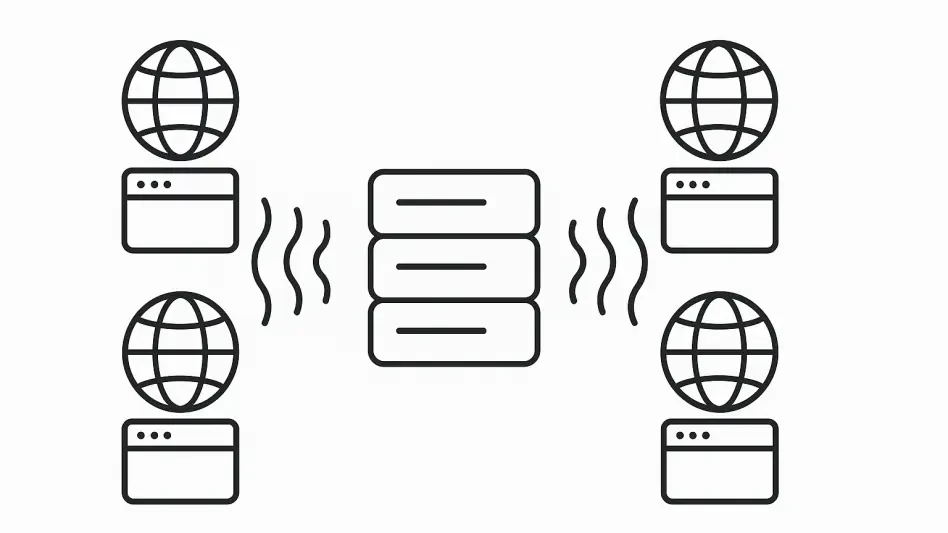

The rapid expansion of digital financial services and e-government platforms across the twin-island nation of Antigua and Barbuda has created a sophisticated landscape where economic growth is inextricably linked to technological resilience. As the nation transitions into a fully integrated digital economy, the emergence of ransomware attacks targeting small island developing states has underscored a critical vulnerability in the current national security framework. Without a centralized authority to oversee cyber defenses, the fragmented response of individual agencies often leaves critical infrastructure exposed to global threat actors who exploit the weakest links in regional networks. The establishment of a National Computer Emergency Response Team represents more than just a technical upgrade; it is a shift toward a proactive stance. By creating a unified front, the government aims to provide a safe environment for innovation and investment while protecting citizen data.
Building a Unified Defense Architecture
Implementation: The Core Functions of a CERT
A functioning National Computer Emergency Response Team serves as the central nervous system for a country’s cybersecurity posture, providing real-time monitoring and rapid mitigation strategies during active incidents. This specialized entity is tasked with the identification of emerging threats, the dissemination of technical alerts to critical infrastructure operators, and the coordination of recovery efforts following a significant breach. For Antigua and Barbuda, this means having a dedicated team of experts who can analyze local traffic patterns and detect anomalies that might indicate a coordinated assault on the power grid or banking systems. Furthermore, the team provides a vital link between government agencies and private sector partners, ensuring that information about vulnerabilities is shared quickly. By centralizing these operations, the nation reduces the time required to contain a threat, which minimizes economic damage and prevents cascading failures.
Beyond immediate incident response, the long-term success of such an initiative depends on the development of local technical capacity and the integration of advanced forensic tools into daily operations. This involves investing in specialized training for local IT professionals to ensure that the nation is not solely reliant on external consultants during a crisis. By utilizing automated threat intelligence platforms and machine learning algorithms, the team can predict potential points of failure before they are exploited by malicious actors. This proactive methodology transforms the national security apparatus from a reactive model to one defined by resilience and foresight. The integration of international best practices allows the local team to operate with global standards of excellence. This consistency is essential for maintaining the integrity of digital trade routes and securing the sensitive information of both the public and private sectors in an increasingly hostile environment.
Cooperation: Regional and Global Strategic Partnerships
No modern nation can effectively defend its digital borders in total isolation, making regional cooperation a cornerstone of the proposed strategy for the Eastern Caribbean region. By participating in information-sharing networks like the Caribbean Community Cybersecurity Incident Response Team network, Antigua and Barbuda can benefit from the collective intelligence of neighboring states. This collaborative approach ensures that a threat detected in one jurisdiction can be immediately neutralized across the entire region before it spreads. This is particularly important for small states that share similar technological stacks and service providers, as it allows for the pooling of resources and expertise that might be otherwise unaffordable on an individual basis. Furthermore, these partnerships facilitate the tracking of cybercriminals who operate across borders. Strengthening these ties builds a comprehensive safety net that protects the digital ecosystem from external interference.
The roadmap for securing the digital landscape required immediate legislative updates to grant the response team the necessary authority to intervene during national emergencies. Policymakers recognized that technical solutions alone were insufficient without a legal framework that mandated reporting requirements for critical sectors such as telecommunications and energy. Stakeholders prioritized the establishment of a continuous audit cycle to evaluate the effectiveness of newly implemented protocols against evolving cyber threats. Public-private partnerships emerged as a primary vehicle for funding and sustaining high-level training programs for the next generation of cybersecurity specialists. It was determined that the integration of cyber hygiene education into the national curriculum played a vital role in reducing the attack surface. These strategic moves ensured that the nation remained a stable hub for digital commerce, providing the necessary tools to safeguard prosperity for all citizens.