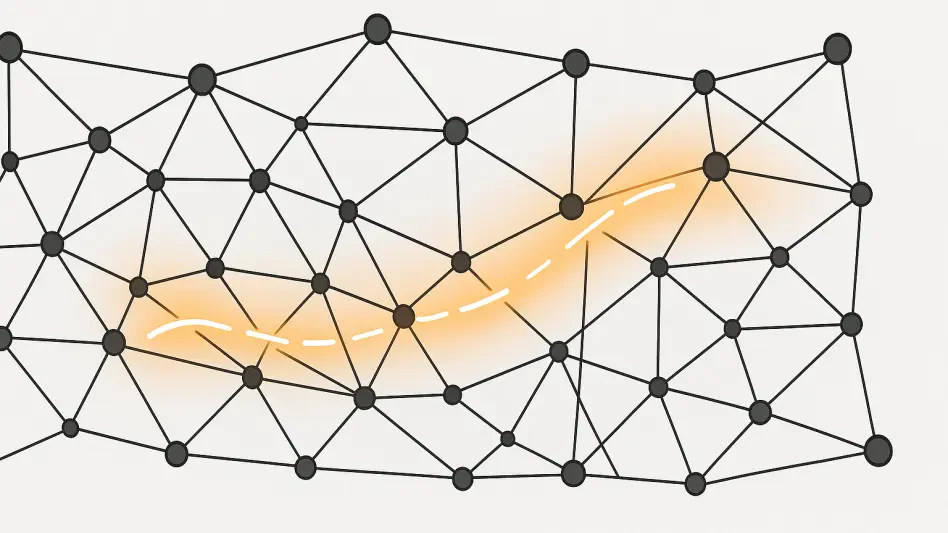
The relentless acceleration of software development cycles has historically forced a trade-off between the speed of deployment and the rigor of security audits, leaving many organizations vulnerable to sophisticated zero-day exploits. To address this persistent gap, Anthropic recently introduced Claude Security, a specialized AI-driven vulnerability scanner that is currently rolling out to Enterprise-tier subscribers with plans for further expansion to Team and Max tiers. Unlike traditional static analysis tools that often flag superficial syntax errors, this platform utilizes the Claude 4.7 Opus model to simulate the investigative depth of a professional human security researcher. By meticulously tracing complex data flows and analyzing the intricate interdependencies buried within massive code repositories, the system identifies deep-seated architectural flaws. This evolution represents a shift from reactive patching to proactive, context-aware defense strategies that allow engineers to visualize how a single logic error might propagate across an entire microservices environment.
Precision Engineering: Reducing Noise in Automated Triage
One of the most significant hurdles in automated cybersecurity is the sheer volume of false positives that can drown a security operations center in irrelevant alerts and low-priority notifications. Claude Security tackles this fatigue through a multi-stage validation pipeline designed to ensure that only verified, actionable threats reach the attention of human developers. The system employs independent verification and reproduction steps, where the AI attempts to prove the exploitability of a detected flaw before escalating it for review. This rigorous vetting process assigns specific confidence scores to each finding, allowing teams to prioritize remediation efforts based on the potential impact and severity of the vulnerability. Furthermore, the platform integrates practical enterprise features such as scheduled scanning and the ability for auditors to document justifications for dismissing specific findings. By exporting data in CSV or Markdown formats, organizations can seamlessly bridge the gap between AI discovery and traditional audit workflows, ensuring that critical insights are never lost in silos.
Collaborative Protection: The Evolution of Defensive Partnerships
The introduction of this tool occurred alongside a broader strategic push known as Project Glasswing, which focused on securing the foundational open-source infrastructure upon which global commerce depends. While this specific initiative utilized the more restricted Mythos model, Claude Security successfully brought high-level defensive capabilities to a wider corporate audience. Strategic partnerships with industry leaders like CrowdStrike, Palo Alto Networks, Accenture, and Deloitte facilitated a more cohesive environment for identifying and patching critical software weaknesses at a massive scale. Ethical safeguards remained a priority, with developers embedding rigorous constraints within the underlying architecture to block the repurposing of these tools for malicious activities like data exfiltration or ransomware creation. Organizations that moved quickly to adopt these automated defensive layers achieved a more resilient posture by integrating AI-assisted scanning directly into their continuous delivery pipelines. Security leaders focused on leveraging these insights to build a standard for rapid remediation that far surpassed previous manual efforts.