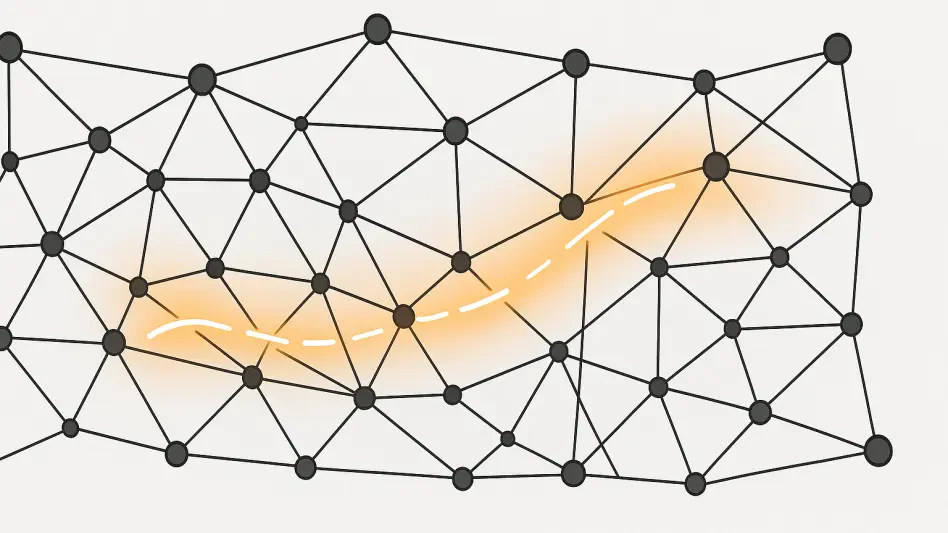

The sheer complexity of modern cloud-native architectures has rendered traditional, rule-based vulnerability scanners largely obsolete in an era defined by rapid deployment cycles and polymorphic threats. As development teams push code into production multiple times per day, the window for manual intervention or periodic scheduled scans has effectively closed, necessitating a paradigm shift toward continuous, automated oversight. Vigolium represents this evolution by integrating sophisticated artificial intelligence directly into the core of the discovery process, moving beyond simple pattern matching to understand the underlying logic of an application. By analyzing the structural relationships between software components, the system identifies hidden weaknesses that conventional tools often overlook. This transition ensures that security is no longer a bottleneck but rather a dynamic layer that scales in tandem with technical innovation and rapid enterprise growth.
Evolution Of Discovery: Beyond Static Signature Databases
Neural Intelligence: Simulating The Penetration Tester Mindset
Static vulnerability databases have long served as the backbone of cybersecurity, yet they fundamentally struggle to address the specific nuances of proprietary business logic or novel exploitation techniques. Vigolium addresses this limitation by deploying advanced neural networks that simulate the investigative mindset of a human penetration tester, allowing the platform to identify anomalous behaviors and logic flaws in real time. Instead of merely checking for known Common Vulnerabilities and Exposures (CVEs), the AI examines how data flows through an API or how permissions are inherited across microservices. This depth of analysis provides a comprehensive view of the security posture, capturing subtle errors in configuration or code execution that would otherwise remain dormant until an actual breach occurs. Consequently, the technology creates a proactive defense mechanism that adapts to unique architectural patterns, ensuring the most obscure entry points are fortified.
Real-Time Visibility: Mapping The Attack Surface
Beyond identifying specific flaws, the AI-driven approach facilitates a more nuanced understanding of the entire attack surface as it expands across hybrid and multi-cloud environments. Traditional scanners frequently struggle with the ephemeral nature of containers and serverless functions, often providing outdated snapshots of a network that has already changed. In contrast, the intelligent engine within Vigolium maintains a persistent, living map of the infrastructure, automatically detecting new assets and analyzing their potential risk profiles the moment they are deployed. This level of autonomy allows security professionals to maintain visibility without the need for constant manual reconfiguration. By processing vast quantities of telemetry data, the system recognizes emerging patterns that indicate a broader systemic weakness, enabling teams to address root causes rather than simply patching individual symptoms across the complex digital landscape that defines modern tech.
Operational Excellence: Maximizing Security Team Efficiency
Strategic Prioritization: Solving The Alert Fatigue Crisis
One of the most significant challenges facing modern security operations centers is the overwhelming volume of alerts generated by automated tools, often leading to critical issues being buried under a mountain of low-priority notifications. Vigolium mitigates this fatigue by utilizing a sophisticated risk-scoring algorithm that considers the actual reachability and exploitability of a vulnerability within its specific environment. It does not just classify a bug as critical based on a generic severity score; it evaluates whether a public-facing path exists or if sensitive data is truly at risk. By providing this contextual clarity, the platform empowers developers and security engineers to focus their limited time on the threats that pose the greatest danger to the business. This intelligent prioritization transforms a chaotic list of tasks into a streamlined, high-impact workflow that reduces the overall time to remediation across the entire software development lifecycle.
Future Resilience: Past Implementations And Next Steps
The successful integration of AI-enhanced scanning into organizational workflows marked a turning point where security finally matched the speed of digital commerce. Organizations that embraced this proactive stance shifted their focus from reactive crisis management to strategic resilience, effectively closing the gap between discovery and remediation. Security leaders prioritized the consolidation of disparate tools into unified, intelligent platforms that offered a single source of truth for risk assessment across the enterprise. Looking ahead toward the cycle of 2026 to 2028, the emphasis remained on refining these autonomous systems to handle increasingly complex adversarial AI models. Decision-makers evaluated their internal processes and determined that the most effective path forward involved deep collaboration between human expertise and machine intelligence. This approach allowed teams to stay ahead of the curve, ensuring that defense mechanisms remained as agile as the threats.