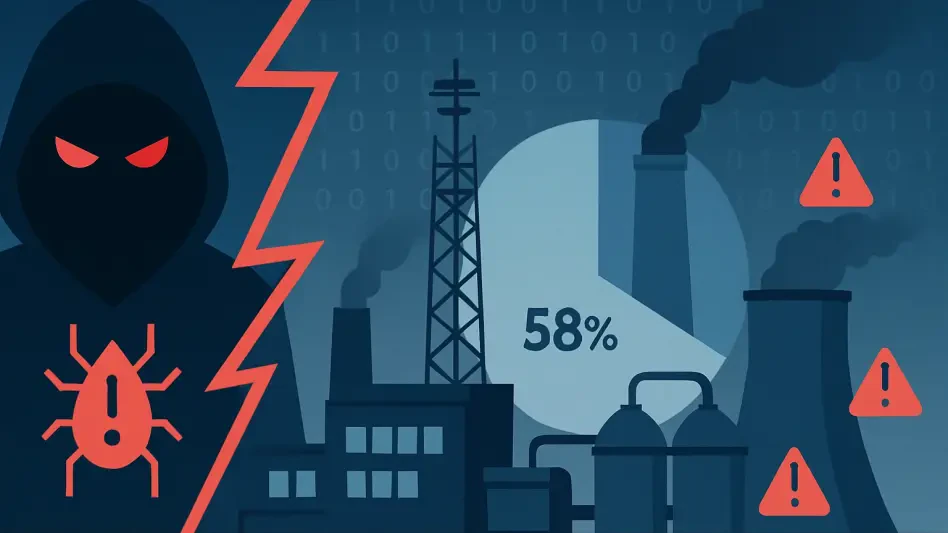

The recent release of the July 2026 Patch Tuesday has sent shockwaves through the global cybersecurity landscape, marking an unprecedented milestone as Microsoft addressed a staggering five hundred and seventy vulnerabilities in a single update cycle. This massive deployment is nearly three times the volume of any previously recorded high-activity month, representing a fundamental shift in the scale of software maintenance. Security analysts have long anticipated a surge in vulnerability reports, but the sheer magnitude of this release suggests that the industry has entered a new phase of hyper-vigilance. The primary catalyst behind this explosion in identified flaws is the systematic integration of advanced artificial intelligence and machine learning into the internal security review processes. By leveraging these powerful computational tools, software developers are now capable of scrutinizing millions of lines of code with a level of precision and speed that was previously unattainable for even the most well-staffed human research teams across the globe.
Advanced Detection: The Integration of Intelligent Scanning Systems
Legacy Software Audit: Uncovering Vulnerabilities With MDASH Technology
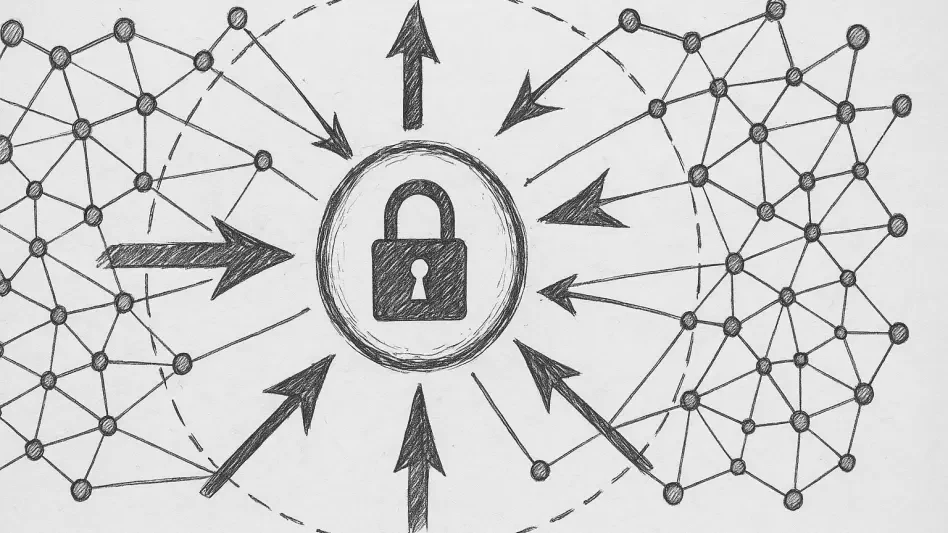
At the core of this monumental effort is an innovative internal system known as the Multi-model Agentic Scanning Harness, or MDASH, which has redefined the boundaries of automated security research. This sophisticated platform utilizes a fleet of specialized AI agents that collaborate to perform exhaustive deep-code analysis on software architectures that have existed for decades. Unlike traditional static analysis tools that often flag false positives or miss nuanced logical errors, MDASH employs neural networks trained on vast repositories of known exploits and secure coding patterns. This allow the system to identify subtle vulnerabilities that have remained hidden within the Windows ecosystem for years, effectively performing a comprehensive audit of the entire software stack. The success of this methodology demonstrates how agentic AI can navigate complex programming environments, tracing data flows and execution paths to surface critical bugs that escaped human detection during the original development phases of the software.
By applying these intelligent agents to legacy codebases, Microsoft is essentially conducting a massive, automated cleanup of its foundational software components to ensure modern security standards are met. Many of the vulnerabilities addressed in this record-breaking release were found in legacy components that were written before the current era of memory-safe languages and rigorous security development lifecycles. The ability of the MDASH system to parse through this archaic code and identify potential buffer overflows, privilege escalation paths, and remote code execution flaws is a testament to the transformative power of machine learning. This process does not merely find bugs; it provides a comprehensive map of technical debt that has accumulated over the years. As the scanning harness continues to iterate through various software versions, it builds a more resilient defense by closing loopholes that could have been exploited by sophisticated threat actors if left unaddressed during this current period of rapid technological advancement.
Security Lifecycle: Refining Maintenance Through Machine Learning
The transition toward a security model governed by machine learning reflects a broader trend where the speed of software development must be matched by the speed of vulnerability discovery. In the past, security teams relied on manual fuzzing and periodic audits, which were inherently limited by human bandwidth and the cognitive load of understanding intricate system interactions. Today, the deployment of AI-driven scanning ensures that every update, no matter how small, is subjected to a rigorous evaluation that mimics the persistence of an actual attacker. These AI models are not static; they learn from every discovered flaw, refining their internal logic to anticipate how a vulnerability in one component might interact with a weakness in another. This holistic view of the attack surface is what allowed for the identification of hundreds of flaws simultaneously, creating a baseline for security that far exceeds the capabilities of traditional methodologies used during previous years and extending into the future.
Furthermore, the efficiency gains realized through this automated approach have allowed human security researchers to pivot away from the drudgery of initial bug hunting toward more complex architectural problems. While the AI agents handle the bulk of the identification process, human experts can focus on developing robust mitigation strategies and ensuring that patches do not inadvertently break existing functionality. This symbiotic relationship between human intelligence and machine processing is what enabled the production of nearly six hundred patches in such a short window. It creates a proactive security posture where vulnerabilities are found and fixed internally long before they can be discovered and weaponized by external adversaries. As these tools become more refined, the expectation is that the window between the introduction of a code change and the discovery of any inherent flaws will shrink toward zero, significantly reducing the overall risk profile for enterprise users in the coming years.
Strategic Response: Navigating the New Standard of Cybersecurity
Industry Evolution: The Standardized Shift Toward Automated Scanning
This move toward AI-driven security is not unique to Microsoft, as other industry leaders like Adobe and Cisco have also reported a faster pace in their update cycles over the current year. Security experts suggest that these high-volume releases will likely become the standard because AI can identify vulnerabilities much faster than human research teams. While this eventually makes the digital world safer, it places a significant operational burden on IT departments that must now vet and deploy hundreds of different fixes every month. The industry is witnessing a transformation where the software update cycle is no longer a monthly chore but a continuous stream of security improvements. Companies that previously updated their software on a quarterly basis are now finding that they must adapt to a weekly or even daily cadence to keep up with the rate of discovery. This shift is forcing a reevaluation of how software is tested and delivered, as the traditional manual gates are replaced by automated verification pipelines.
The emergence of such high-volume releases also raises concerns about the potential for AI-driven discoveries to be weaponized by sophisticated threat actors who utilize similar technologies. If defensive teams can use agentic AI to find hundreds of bugs in a month, it stands to reason that well-funded offensive groups are likely developing comparable capabilities to identify vulnerabilities before they are patched. This creates a high-stakes arms race where the speed of remediation becomes the most critical factor in a nation’s or corporation’s digital defense. The reality of the current landscape is that the discovery of a flaw is no longer a rare event but a predictable outcome of continuous automated scanning. Consequently, the focus has shifted from the rarity of the bug to the velocity of the response, forcing organizations to reconsider their traditional maintenance schedules to accommodate a much faster and more frequent influx of critical security updates that require immediate and precise implementation.
Practical Resolution: Deploying Solutions for High-Volume Threats
Within this massive wave of updates, three specific zero-day vulnerabilities require immediate attention because they are already being used in active exploitation campaigns. These flaws are not merely theoretical risks; evidence suggests that they were already being utilized in targeted attacks before the official patches were made available to the public. The most critical of these vulnerabilities involved a sophisticated bypass of kernel-level protections, which could allow an attacker to gain full control over an infected system without any user interaction. Because these exploits were being utilized in the wild, the pressure on organizations to deploy the relevant fixes immediately was immense, regardless of the challenges posed by the rest of the updates. The integration of AI in finding these active threats alongside hundreds of latent bugs highlights the dual-purpose nature of modern scanning tools in both proactive and reactive security roles, providing a necessary shield for systems currently under fire.
Organizations successfully addressed these systemic challenges by implementing highly automated testing environments that streamlined the validation of complex security patches. By utilizing containerized sandboxes, engineering teams verified the stability of the July updates without risking the integrity of production systems. This move toward automated quality assurance became a cornerstone of the modern defensive posture, allowing firms to keep pace with the rapid discovery rates initiated by AI scanning. Furthermore, the adoption of risk-based prioritization frameworks ensured that the most critical flaws, such as the kernel-level zero-days, were mitigated within hours of release. These proactive measures transformed the burden of a record-breaking Patch Tuesday into an opportunity for strengthening digital resilience through better operational efficiency. Ultimately, the industry moved toward a more sustainable model where intelligence and automation worked in tandem to provide a robust shield against evolving cyber threats in the modern landscape.