Assessing the Vulnerability of Global Cold-Chain Infrastructure
A single software command executed from thousands of miles away now possesses the terrifying power to spoil tons of food or render life-saving vaccines completely inert before they ever reach a patient. The central theme of recent industrial security research focuses on the profound systemic vulnerabilities within the global refrigeration infrastructure, where the transition from mechanical isolation to internet-connected management has outpaced defensive measures. This investigation addresses how critical environmental controls have become unintended targets in the broader landscape of cyber warfare. The core challenge lies in the sheer volume of exposed assets that were never designed to withstand modern digital intrusion, yet remain essential for the daily survival of populations in nearly 100 countries.
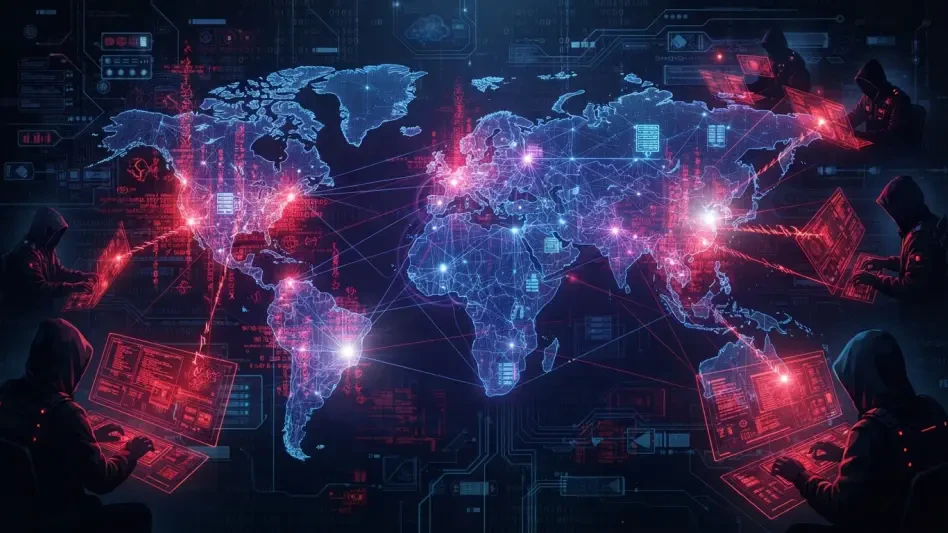
Modern refrigeration is no longer a localized utility but a networked asset that forms the backbone of the global economy. The study reveals that approximately 13,000 management interfaces are currently accessible via the public internet, creating an expansive attack surface that bridges the gap between digital bits and physical biological decay. As these systems are integrated into broader smart-grid and logistical networks, the risk of remote tampering increases exponentially. Researchers identified that the exposure is not a localized glitch but a widespread failure of network hygiene that leaves critical industries, from dairy production to pharmaceutical storage, susceptible to catastrophic interference.
The Intersection of Industrial Connectivity and Food Security
The background of this research is rooted in the rapid adoption of Industrial Control Systems and the Internet of Things within the food and beverage sector. This digital transformation was intended to optimize energy efficiency and allow for remote maintenance, but it simultaneously created a gateway for threat actors to manipulate physical environments. In October 2026, a coordinated series of attacks against more than 700 supermarkets in France highlighted the gravity of this situation. These incidents demonstrated that attackers no longer need to steal data to cause harm; they can simply adjust a temperature threshold to induce mass spoilage and financial ruin.
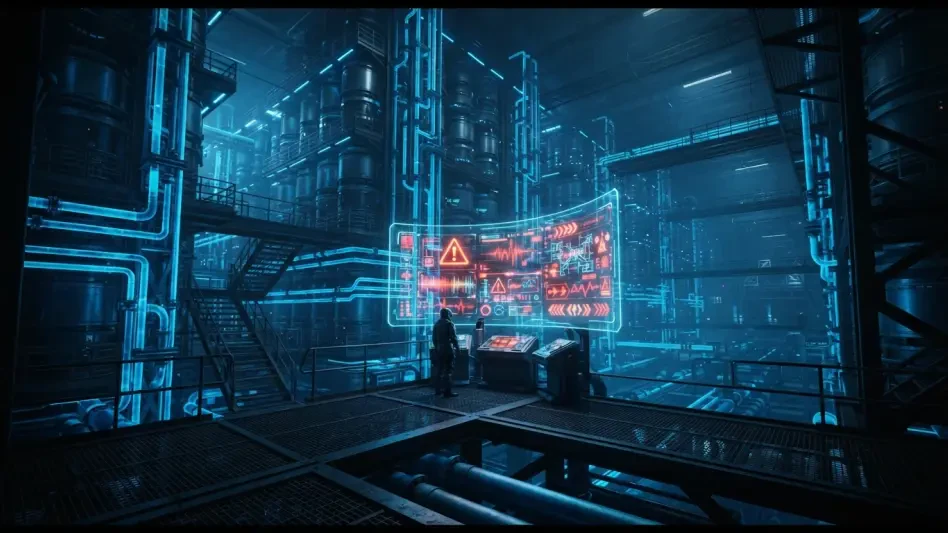
This research is particularly important because it shifts the focus of cybersecurity from data protection to the preservation of physical life and health. If the cold chain is compromised, the result is not just a loss of revenue, but a direct threat to food security and public health. The broader relevance to society is undeniable, as the stability of the pharmaceutical supply chain relies on the same vulnerable controllers that manage grocery store freezers. The vulnerability of these systems represents a significant national security concern, especially as geopolitical tensions drive hacktivist groups to target civilian infrastructure to exert economic and psychological pressure on various populations.
Research Methodology, Findings, and Implications
Methodology
The research methodology employed a data-driven approach centered on the use of the Shodan search engine to identify and categorize internet-connected refrigeration devices. By scanning for specific communication protocols and management interface signatures, the investigators were able to map the global footprint of exposed Industrial Control Systems. This process involved analyzing nearly 13,000 service observations linked to over 6,000 unique public IP addresses. The scope of the data collection spanned 99 different countries, providing a comprehensive view of how regional infrastructure management practices contribute to global risk.
The tools used for this analysis allowed researchers to go beyond simple identification, enabling them to determine the specific product families and firmware versions of the exposed equipment. This granular level of data was essential for assessing the exploitability of the discovered interfaces. The study focused on major manufacturers such as Danfoss and Copeland, whose equipment is ubiquitous in the industry. By correlating these findings with known vulnerability databases, the research team could estimate the likelihood of successful remote exploitation without the need for physical access to the facilities.
Findings
The main findings of the research indicate a pervasive reliance on outdated and insecure technology across the refrigeration sector. A striking 80% of the observed Danfoss StoreView systems were found to be running legacy firmware, which lacks modern security features. The data confirmed that two major product families, Copeland/Dixell XWEB and Danfoss StoreView, account for the vast majority of exposed services worldwide. This concentration of risk means that a single vulnerability discovered in one of these platforms could have a devastating impact on thousands of locations simultaneously across the globe.
Furthermore, the discovery of specific vulnerabilities, such as remote code execution and unauthorized configuration changes, points to a lack of basic security controls. Many of these systems were found to be accessible with weak or default credentials, and almost none utilized multi-factor authentication. The findings also highlighted a trend where politically motivated groups have already begun utilizing these exposures to target cold-chain operations in Europe and the Middle East. These discoveries suggest that the refrigeration sector is no longer just a theoretical target but is actively being scouted by sophisticated threat actors.
Implications
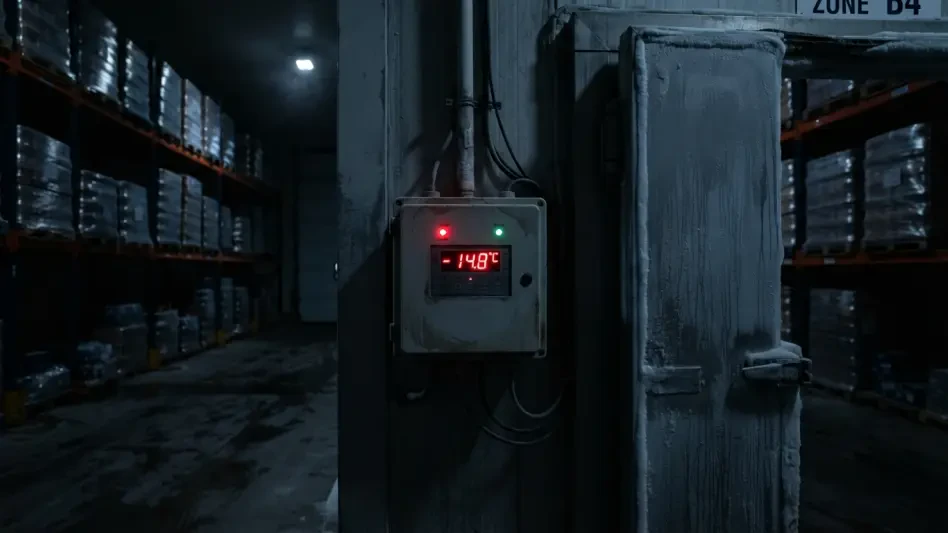
The practical implications of these findings are severe for any organization managing temperature-sensitive inventory. The research demonstrates that subtle adjustments to defrost cycles or temperature setpoints can bypass traditional alarms while still causing product spoilage. This type of sabotage is difficult to detect in real-time, meaning that contaminated food or ineffective medicine could reach consumers before the breach is identified. Societally, this necessitates a complete reassessment of how industrial controllers are secured, moving them out of the shadow of “maintenance utilities” and into the spotlight of critical infrastructure protection.
From a theoretical perspective, the study illustrates the blurring lines between cyber defense and physical safety. The results suggest that future developments in refrigeration technology must prioritize security-by-design, rather than treating connectivity as an add-on feature. The implications extend to the insurance and regulatory sectors, where there is now a clear need for stricter compliance standards regarding the internet exposure of environmental controls. As organizations realize that their physical assets are only as secure as their network perimeter, the demand for specialized industrial cybersecurity expertise is expected to surge.
Reflection and Future Directions
Reflection
Reflecting on the study’s process reveals a significant disconnect between the perceived security of industrial facilities and the reality of their digital exposure. One of the primary challenges encountered was the difficulty in mapping a single public IP address to the actual number of downstream units, as one gateway often manages multiple systems. This suggests that the current estimates of 13,000 exposed systems are likely conservative, and the true scale of the risk may be an order of magnitude larger. The research could have been expanded by including a more diverse range of smaller manufacturers, who may have even fewer resources for security.
The findings also shed light on the human element of this crisis, specifically the reliance on third-party contractors for remote monitoring. These contractors often use shared accounts and lack proper security training, creating a “weakest link” in the defense chain. Overcoming these challenges required a multi-faceted approach that combined technical scanning with an analysis of operational workflows. The process underscored that technology alone cannot solve the problem; a shift in organizational culture toward vigilant security is equally necessary for long-term resilience.
Future Directions
Future research should focus on the development of automated detection tools that can identify unauthorized changes in environmental settings before they result in physical damage. There is a clear need for studies that explore the use of artificial intelligence to monitor baseline performance metrics and flag anomalies that might indicate a cyber-physical breach. Additionally, researchers should investigate the effectiveness of various network segmentation strategies in preventing lateral movement within industrial networks once an initial interface has been compromised.
Unanswered questions remain regarding the long-term economic impact of these vulnerabilities on global insurance markets. Further exploration is needed to determine how standardized security protocols can be implemented across disparate regions with varying levels of technological maturity. Future studies could also examine the potential for cross-industry collaboration, where lessons learned from the energy and water sectors are applied to the refrigeration cold chain. Developing a unified defense framework will be essential as threat actors continue to refine their methods for targeting civilian life-support systems.
Securing the Global Cold Chain Against Emerging Digital Threats
The investigation into refrigeration vulnerabilities established that the global cold chain is currently at a critical crossroads where digital negligence meets physical reality. The researchers proved that the exposure of nearly 13,000 management interfaces created an unprecedented risk to food and pharmaceutical security across 99 countries. By identifying the prevalence of legacy firmware and the lack of basic authentication measures, the study highlighted a systemic failure in how industrial assets are managed. The findings indicated that the shift toward connectivity has inadvertently provided an open door for geopolitical adversaries and hacktivists to cause tangible harm without the use of traditional malware.
The study concluded that the only viable path forward involves a rigorous commitment to network segmentation and the implementation of zero-trust access for all remote interfaces. It was determined that placing refrigeration controllers behind secure firewalls and mandating multi-factor authentication for all users significantly reduced the risk of unauthorized access. Furthermore, the analysis suggested that manufacturers must take a more active role in pushing firmware updates to legacy systems to close known security gaps. These insights provided a foundational perspective on the necessity of treating environmental controls as high-value targets that require the same level of protection as sensitive financial or personal data.