
The ‘set and forget’ mentality regarding open-source libraries is no longer viable in an environment where AI can rapidly identify and exploit legacy code flaws. This reality has become painfully clear as IBM’s Lightwell initiative recently uncovered more than 400 previously unknown vulnerabilities within widely used Java libraries that power global banking systems and logistics networks. While Java has long been a cornerstone of enterprise computing, the volume of these discoveries suggests a systemic decay in software supply chain integrity that traditional manual audits can no longer address. The announcement marks the general availability of a platform specifically engineered to provide priority security reviews and automated remediation for open-source software, effectively turning the tide against sophisticated threats. By utilizing high-speed scanning and machine learning, this initiative seeks to close the gap between code deployment and vulnerability detection while ensuring that legacy systems remain protected against modern exploits.
Addressing the Persistence of Legacy Software Vulnerabilities
Recent data from security analyst firms reveals a troubling trend where nearly 60% of all Java services harbor at least one exploitable vulnerability that could compromise sensitive data or disrupt operations. This risk is compounded by the “patching gap,” a phenomenon where production environments continue to rely on third-party packages that are nearly 500 days behind the current major version. Large organizations often resist updating these dependencies because of the potential for system instability or broken integrations, yet this hesitation creates an expansive attack surface for malicious actors. The systemic weakness highlighted by recent research suggests that mature codebases, once thought to be stable, are actually high-risk zones due to a lack of rigorous and continuous oversight. As software dependencies grow more complex, the manual task of tracking and updating every library becomes a functional impossibility for even the most well-funded IT teams, necessitating a shift toward automated defensive solutions that can operate at scale.
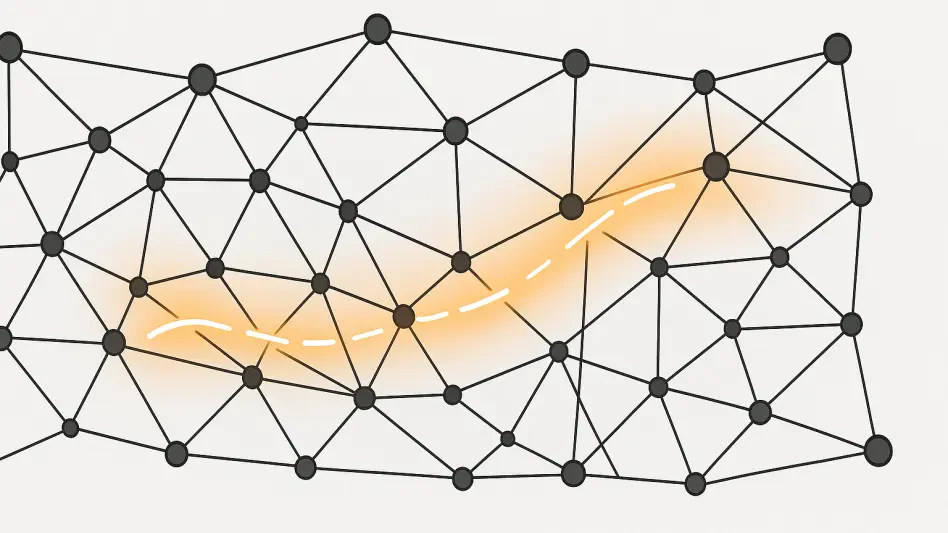
The architecture of modern enterprise software relies heavily on a nesting doll of dependencies, where a single Java application might pull in dozens or even hundreds of external libraries to handle specific functions. Each of these libraries introduces its own set of potential weaknesses, many of which remain dormant for years until identified by automated scanning tools. This structural reliance means that a flaw found in a foundational package can ripple through thousands of downstream applications, creating a nightmare for security administrators who must map these connections manually. Furthermore, the longevity of Java means that many mission-critical systems are running on legacy frameworks that were never designed for the era of AI-driven cyberattacks. The discovery of hundreds of flaws within these established libraries proves that age does not equate to security. Instead, older code provides more opportunities for exploitation as discovery techniques evolve faster than manual updates, leaving global systems exposed.
Organizations that successfully navigated the recent wave of Java vulnerabilities did so by transitioning away from static security models toward dynamic, AI-assisted frameworks. Security leaders recognized that maintaining a resilient posture required a comprehensive inventory of all third-party dependencies and a commitment to automated patching schedules. Rather than waiting for the next major breach, forward-thinking companies established clear protocols for integrating tools like Lightwell into their standard development pipelines. This proactive approach turned security from a bottleneck into a competitive advantage, as it allowed for faster innovation without the lingering threat of unpatched legacy code. The integration of automated backporting and continuous monitoring became the standard for software transparency and supply chain resilience. Moving forward, it was clear that the key to long-term stability lay in treating security as a living process rather than a one-time fix, ensuring that enterprise systems remained robust in a hostile threat landscape.