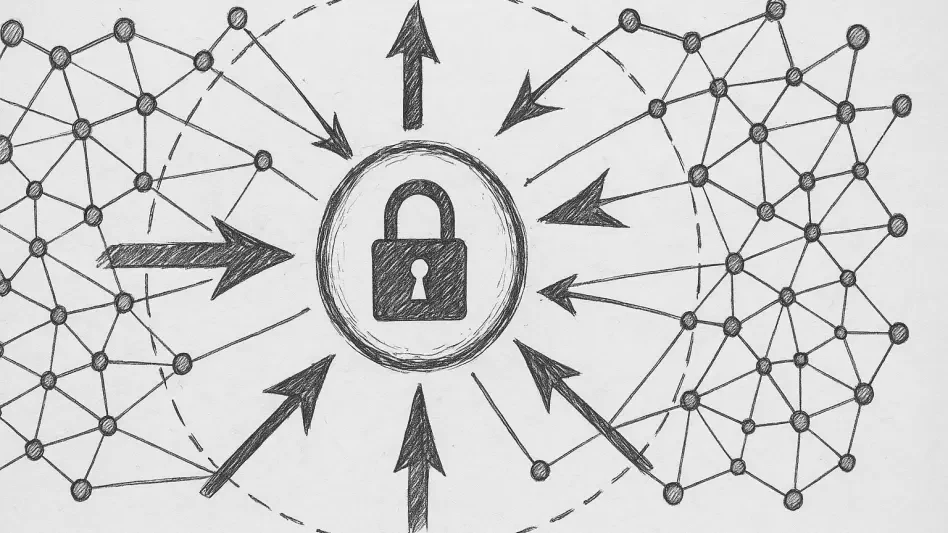
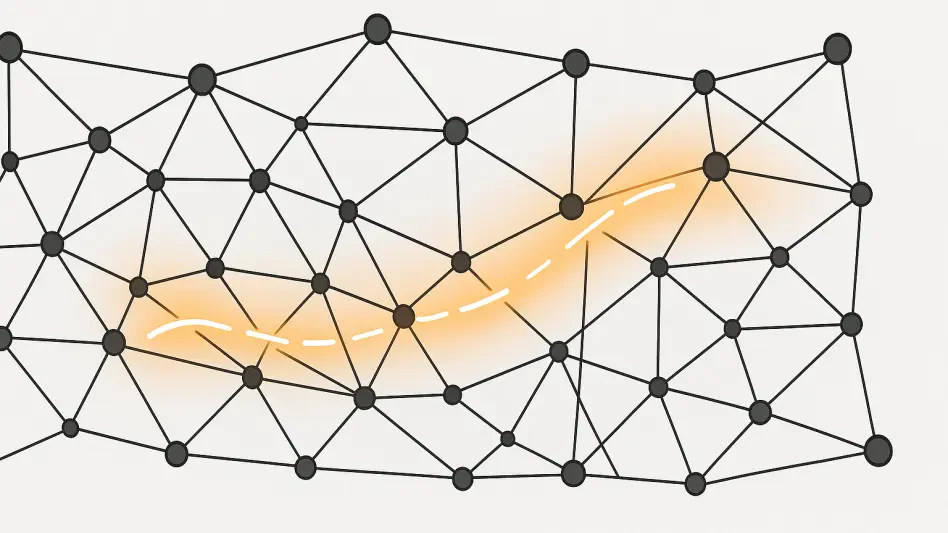
The ability to link multiple minor vulnerabilities into a singular, high-severity attack path represents a major shift in how modern organizations must assess their security posture. This reality has fueled the rapid rise of Armadin Inc., a cybersecurity startup founded by industry veteran Kevin Mandia. The company recently finalized a substantial $255.5 million Series B funding round, which was co-led by venture capital giants Andreessen Horowitz and Accel. This significant investment has elevated the company’s valuation to over $2.5 billion, signaling intense market confidence in its unique approach. Participation from notable entities like Alphabet’s GV fund, Kleiner Perkins, and Menlo Ventures underscores the strategic importance of the firm’s mission. Armadin is positioning itself as a critical player in the next generation of defensive AI by focusing on autonomous swarms to revolutionize vulnerability detection. This influx of capital will facilitate the growth of its platform at a time when traditional defenses are often outpaced.
Parallel Processing: A New Era of Vulnerability Detection
The primary innovation behind the platform involves the deployment of massive swarms of AI agents designed to probe complex corporate infrastructure for security gaps. Unlike traditional automated tools that often run sequentially, these agents operate concurrently, allowing for the massive parallelization of cybersecurity tasks. This architectural choice enables the platform to perform thousands of simultaneous scans, which drastically reduces the time required to map an organization’s internal systems and identify potential weaknesses. Crucially, these autonomous agents operate within a secure sandbox environment to prevent any unintended damage to the client’s actual production infrastructure. In one high-profile demonstration, the company successfully deployed 26,000 agents to evaluate over 25,000 assets. This test ultimately identified 38 verified attack paths, which are specific sequences of actions that could lead to a total system breach if left unaddressed by the security team.
By simulating the sophisticated tactics used by modern threat actors, the swarm technology provides a realistic assessment of a company’s defensive perimeter. Recent high-profile incidents, such as the breach at Hugging Face, demonstrated how attackers utilize AI to share credentials and coordinate hacking strategies in real-time. Armadin’s platform mirrors these aggressive methods to ensure that defenders are not caught off guard by highly coordinated digital assaults. Kevin Mandia has noted that offensive capabilities currently hold a distinct advantage over traditional defenses because AI allows attackers to chain together exploits faster than human teams can realistically respond. Consequently, the platform was built to provide a defense that matches this offensive speed, transforming vulnerability management from a static checklist into a dynamic, real-time response capability. This shift is essential for organizations that manage vast amounts of sensitive data across hybrid cloud environments today.
Strategic Shift: Prioritizing Remediation in an Automated World
Beyond the initial detection phase, the software provides detailed, automated remediation advice that prioritizes high-severity items. This ensures that internal security teams focus their limited resources on the most dangerous threats first, rather than getting bogged down by a high volume of low-risk alerts. The newly raised funds are earmarked to accelerate the company’s research and development efforts, specifically focusing on enhancing AI training models and expanding go-to-market programs. By providing actionable insights instead of just raw data, the platform helps bridge the gap between identifying a problem and fixing it. This proactive approach is designed to stay ahead of increasingly automated cyber threats that exploit the time lag inherent in human-led security operations. As organizations continue to adopt complex, interconnected digital ecosystems, the need for such automated oversight becomes even more pronounced to maintain a resilient and secure operational environment.
Organizations that sought to modernize their security frameworks found that integrating autonomous AI swarms offered a clear path toward neutralizing rapid-fire exploits. The decision to move away from reactive monitoring and toward proactive, swarm-based simulations became a cornerstone of effective digital governance. IT leaders who implemented these protocols achieved a more granular understanding of their attack surface while reducing the manual burden on their staff. This transition required a fundamental shift in how security budgets were allocated, favoring platforms that could simulate the scale of modern adversaries. Future strategies emphasized the continuous training of internal models to mirror the evolving tactics of global threat actors. By adopting these advanced defensive measures, companies ensured that their infrastructure remained resilient against the growing wave of AI-driven attacks. This evolution in strategy proved that matching the speed of the attacker was the only viable way to protect long-term digital assets.