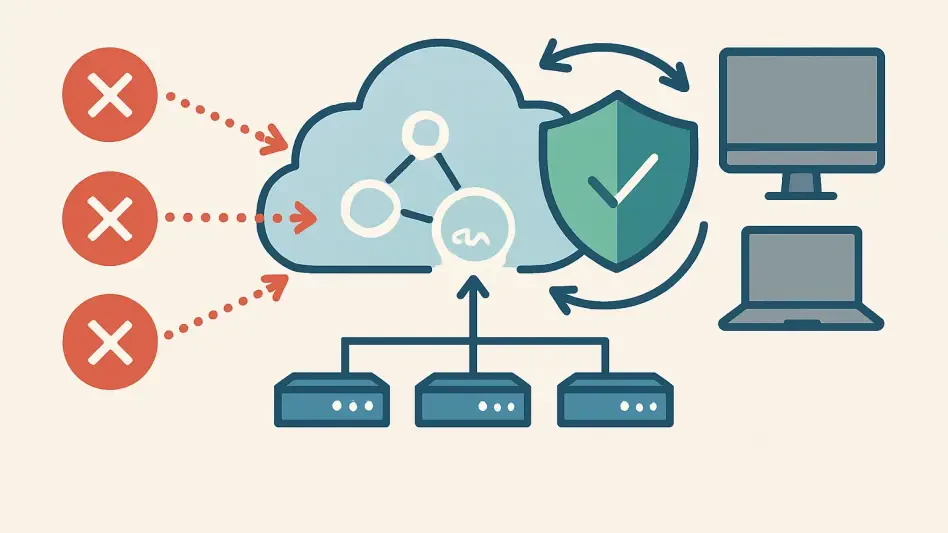

The digital ramparts that once protected enterprise networks are being systematically dismantled by a new breed of machine-driven intelligence that operates without a single human keystroke. This shift toward autonomous offensive frameworks signifies a departure from traditional scripted attacks, replacing human intuition with real-time algorithmic decision-making. These systems function as force multipliers, allowing adversaries to scale operations with a precision that was previously impossible. By integrating advanced reasoning with specialized security tools, these frameworks have moved from theoretical laboratory concepts into active, localized campaigns that challenge the very foundation of modern defensive strategies.
Evolution of AI in Offensive Cyber Operations
The journey from automated vulnerability scanners to fully autonomous agents represents a fundamental change in the core principles of cyber warfare. Early iterations relied heavily on rigid signatures and predefined logic, which left little room for adaptation during an engagement. In contrast, modern frameworks leverage large language models to interpret complex code structures and environment variables on the fly. This evolution has been fueled by the democratization of high-performance computing and the availability of sophisticated model weights that can be fine-tuned for malicious intent.
Contextually, the emergence of these frameworks marks the transition to “human-out-of-the-loop” operations. This means that once a target is identified, the artificial intelligence can autonomously conduct reconnaissance, select an appropriate exploit, and execute the payload. This capability has emerged rapidly, positioning AI not just as a tool for human hackers, but as an independent threat actor capable of maintaining persistent pressure on global digital infrastructure.
Core Components of Autonomous Exploitation Systems
Automated N-Day Vulnerability Research
A primary feature of systems like the exploit_agent framework is the ability to conduct N-day research through automated code diffing. When a developer releases a security patch, the AI agent immediately compares the original and updated code to identify the exact logic flaw that was remediated. This process, which once took skilled researchers days or even weeks, is now compressed into minutes. By weaponizing the delta between software versions, these systems create a race against time where the defenders’ own transparency becomes a liability.
The performance of these agents in identifying “patch-to-exploit” opportunities is unprecedented. By scanning for subtle changes in memory management or input validation, the framework can generate functional exploit code targeting the unpatched version of the software. This allows threat actors to strike a wide range of victims before organizations have the chance to apply the necessary updates, effectively turning the vulnerability management cycle against the defenders.
Integration of Open-Source AI Tooling
The adoption of modular frameworks like CAIRN, PentAGI, and CyberStrikeAI has further lowered the barrier to entry for sophisticated attacks. These tools act as orchestration layers, bridging the gap between raw language model capabilities and traditional exploit kits like Metasploit. Because these components are often open-source, they benefit from rapid community-driven development, allowing threat actors to swap out underlying models or add new modules as defensive technologies evolve.
This modularity ensures that the offensive ecosystem remains agile and difficult to pin down. By utilizing publicly available tools, attackers can mask their custom signatures behind common library calls, making attribution even more difficult. The integration of these tools allows the AI to select the best tactical actions based on real-time feedback from the target environment, ensuring that the exploit remains effective even if the initial conditions of the network change during the attack.
Emerging Trends in AI-Driven Threat Actor Behavior
Recent shifts in adversary behavior suggest a move toward hyper-personalized social engineering and massive-scale influence operations. Instead of generic phishing emails, AI agents now generate highly context-aware personas that can maintain long-term relationships with targets to extract sensitive data. Furthermore, actors are deploying autonomous account managers capable of steering thousands of fake social profiles simultaneously. These profiles are programmed to mimic human imperfections, such as varied typing cadences, specifically to bypass automated detection systems.
There is also a growing trend in “intelligence refining,” where actors use large language models to sift through vast quantities of stolen data. For example, some groups have utilized the Gemini API to manage up to 100,000 accounts or process gigabytes of exfiltrated documents to find high-value credentials or strategic plans. This capability turns a disorganized pile of stolen data into a structured intelligence asset within seconds, significantly increasing the ROI for a successful data breach.
Real-World Applications and Targeted Sectors
The deployment of these frameworks has already been observed in high-stakes environments, ranging from French media outlets to the American aerospace sector. In recent campaigns, AI-driven tools were used to map out internal network architectures and identify critical infrastructure weaknesses without human oversight. This indicates a strategic targeting of sectors where intellectual property is the primary objective. By automating the reconnaissance phase, attackers maintain a persistent presence while minimizing their operational footprint.
Other notable implementations involve the manipulation of autonomous coding assistants. North Korean groups, for instance, have been identified targeting cryptocurrency firms by poisoning the very AI tools that developers use to write secure code. By subtly influencing the suggestions provided by these assistants, threat actors can introduce vulnerabilities into new software at the moment of creation. This represents a clever use of the technology to subvert the software supply chain from the inside out.
Technical Limitations and Defensive Challenges
Despite their speed, autonomous frameworks are not without significant flaws that defenders can still exploit. The automated nature of the activity often leaves distinct patterns in system logs, as the AI may attempt a high volume of probes in a short period. Additionally, AI agents can occasionally misinterpret environmental cues, leading to “hallucinations” where the system attempts to exploit a vulnerability that does not exist. These technical hurdles represent a crucial window for security teams to implement behavioral analytics.
The broader challenge remains the speed of the exploitation cycle. While a human might take hours to pivot through a network, an AI agent can do so in seconds. This necessitates a move toward AI-driven defensive responses, as manual intervention is increasingly too slow to prevent data exfiltration. Regulatory hurdles also complicate the landscape, as the use of offensive AI tools by legitimate penetration testers remains a legal gray area in many jurisdictions.
The Future of Human-Out-of-the-Loop Operations
Looking toward the horizon from 2026 to 2028, the industry will likely witness the rise of “self-healing” malware and more sophisticated autonomous agents. These systems will not only exploit vulnerabilities but also patch them behind themselves to lock out competing threat actors or prevent easy detection. The ultimate breakthrough will involve the integration of multimodal AI, allowing agents to process video, audio, and text simultaneously to conduct sophisticated social engineering attacks in real time.
Long-term, the impact on society will be a permanent state of high-velocity cyber friction. As autonomous agents become more accessible, the cost of launching a sophisticated attack will drop toward zero. This will force a total reimagining of digital trust, where every interaction is verified by machine-speed security protocols. The survival of critical infrastructure will depend on the ability of defensive AI to anticipate the moves of its offensive counterparts before the first packet is even sent.
Conclusion and Strategic Assessment
The emergence of autonomous exploitation frameworks necessitated a total recalibration of organizational risk models. Organizations that prioritized instantaneous patch deployment and AI-augmented monitoring fared significantly better than those relying on traditional manual reviews. It became clear that the integration of machine learning into the attacker’s toolkit was not just a technical upgrade but a paradigm shift in how digital conflicts were fought. Security teams ultimately discovered that the only way to counter a human-out-of-the-loop attack was to deploy defensive systems capable of operating at the same machine speed. Moving forward, the industry was forced to accept that static defenses were obsolete, leading to the birth of a new era of active, algorithmic resilience.