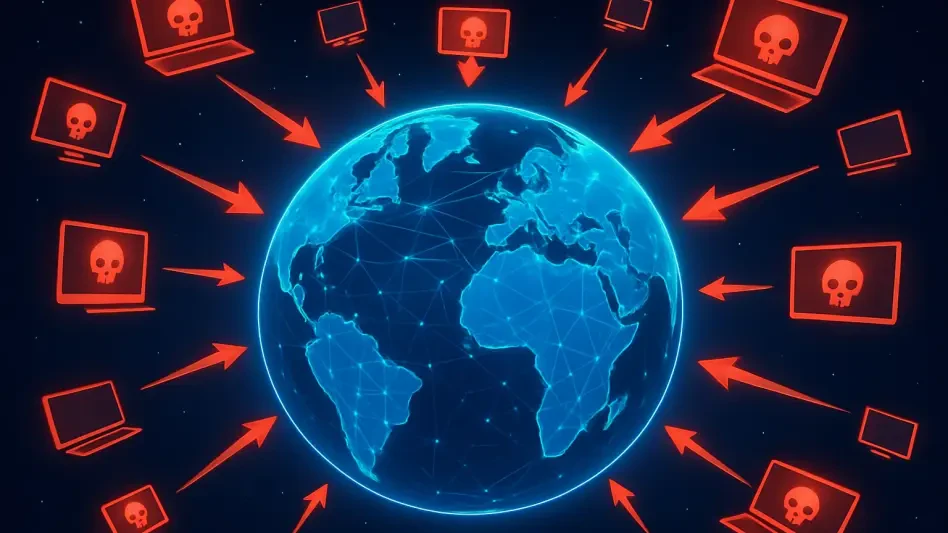
The technical specifics of the IPv6 handling flaw are being kept under wraps to prevent further exploitation while the network transitions to the new version. This silence is a necessary precaution following the release of version 0.4.9.17 on November 13, 2026, an emergency update designed to mitigate an aggressive distributed denial-of-service attack. The disruption stems from a coordinated influx of malicious client circuits that have flooded the network, creating a bottleneck for legitimate traffic. Volunteer-run relays, the backbone of the decentralized ecosystem, have struggled under this artificial demand, leading to latency across the globe. David Goulet and the Tor Network Team identified that the vulnerability lies within relay defense mechanisms, specifically concerning how the system handles IPv6 traffic requests during high-stress periods. This situation is a critical moment, as the stability of the architecture depends on the immediate adoption of these security measures by operators.
Infrastructure Under Siege
Defending Against Circuit-Level Flooding
The current assault utilizes a sophisticated method known as circuit flooding, where attackers initiate thousands of connection requests to overwhelm individual nodes. Unlike traditional traffic-based attacks targeting bandwidth, this method exploits the computational resources required to maintain encrypted paths. By filling the available slots for circuit creation, malicious actors prevent legitimate users from building the paths necessary for anonymous browsing. The severity of this event highlights a trend where decentralized systems are targeted through their reliance on open participation. While individual relays have built-in protections, the scale of this coordinated effort surpassed existing thresholds, forcing developers to rethink how software differentiates between genuine users and automated attack scripts. The goal of the new update is to introduce granular controls that allow relays to drop suspicious circuit requests before they can exhaust the limited resources of the server.
Addressing Technical Vulnerabilities in IPv6
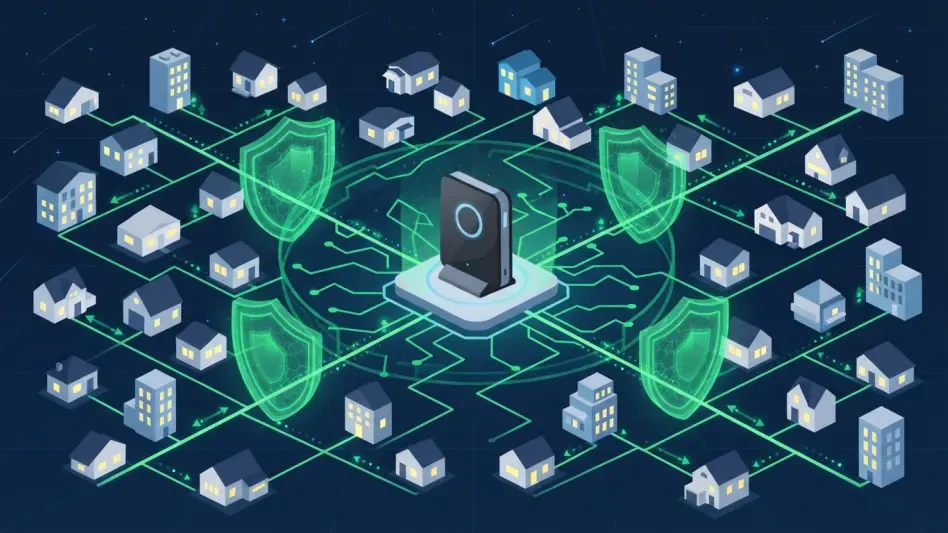
A primary component of the emergency patch involves a previously undisclosed flaw in how relay defenses manage IPv6 traffic during a denial-of-service event. As the internet continues its broad transition to IPv6, the complexity of managing dual-stack traffic has introduced new attack vectors that are not as prevalent in IPv4-only environments. The Tor Project discovered that the relay software’s defensive logic could be bypassed by specifically crafted IPv6 requests, allowing attackers to circumvent traditional rate-limiting protocols. This fix is strictly an infrastructure-level patch, meaning it does not require an update to the Tor Browser itself but rather to the core software used by those providing the network’s capacity. Operators are being urged to deploy version 0.4.9.17 immediately to close this loophole. The effectiveness of the defense relies on the percentage of the network that migrates to the secure version, as unpatched relays remain vulnerable points of network congestion.
Advancing Collaborative Security Measures
The immediate crisis management phase concluded with the deployment of the 0.4.9.17 update, which provided the tools needed to stabilize the routing environment. Operators who transitioned to the new version reported a significant reduction in resource exhaustion, effectively neutralizing the primary vector of the IPv6-based assault. Throughout the process, the community prioritized the adoption of automated monitoring tools to detect early signs of circuit flooding before they escalated into network-wide events. The project implemented dynamic resource allocation strategies that adapted to traffic patterns in real-time without compromising user anonymity. Every lesson learned from this incident underscored the necessity of rapid coordination in the face of infrastructure-level threats. Stakeholders focused on the continuous hardening of the relay software to ensure the network remained a viable tool for privacy. This proactive stance proved essential as the landscape of global security presented increasingly complex challenges.