The silent hum of a modern power grid represents more than just electrical engineering; it is the invisible lifeline of global stability and the primary target for the world’s most sophisticated digital adversaries. In an environment where the boundaries between physical security and digital integrity have blurred, the global energy and utilities sector now stands as the most contested space in the cyber landscape. Recent empirical data highlights a staggering reality: energy and utility organizations were targeted in 66.6% of all observed Advanced Persistent Threat (APT) campaigns during recent reporting cycles. This intensification of hostile interest marks the industry as a “crown jewel” for those seeking to disrupt national economies or gain long-term geopolitical leverage.
This analysis examines the intricate factors that have propelled the energy sector to the top of the global threat list. By exploring the shift from isolated analog systems to interconnected networks, the motivations of state-sponsored actors, and the emerging threat of destructive malware, this article provides a comprehensive look at the current risk environment. Readers will gain an understanding of how the integration of operational technology and information technology has created new vulnerabilities, the strategic importance of various geographic regions, and the necessary shifts in defensive strategy required to safeguard critical infrastructure in a period of unprecedented digital peril.
The Evolution of Risk: From Physical Isolation to Digital Exposure
To grasp why the energy sector is currently under such intense scrutiny, one must reflect on the historical transformation of industrial infrastructure. For the greater part of the twentieth century, power plants, water systems, and fuel distribution networks operated in relative isolation. These facilities utilized “air-gapped” systems that were physically disconnected from any public communication network, making remote unauthorized access nearly impossible. Mechanical controls and localized analog dials were the primary interfaces, requiring physical proximity for any manipulation. However, the global demand for operational efficiency, real-time data analytics, and predictive maintenance triggered a massive technological migration.
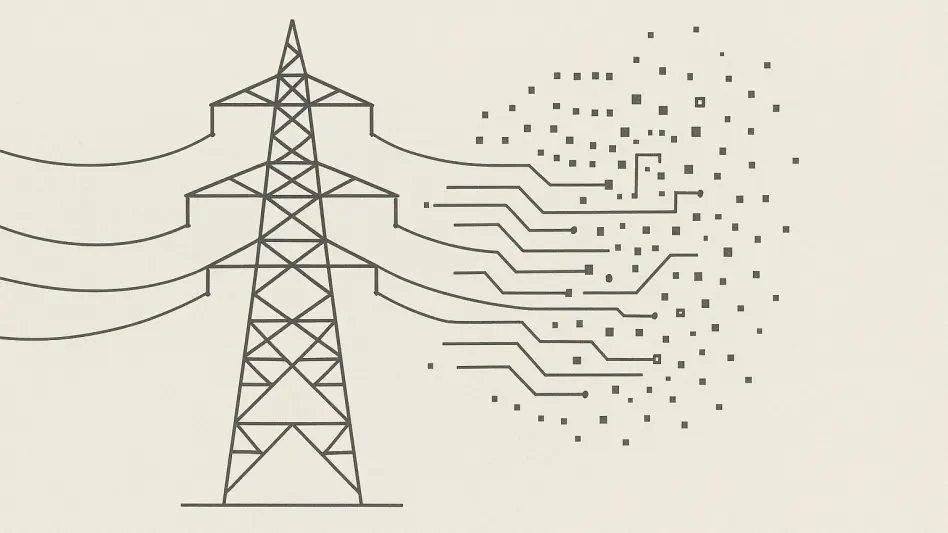
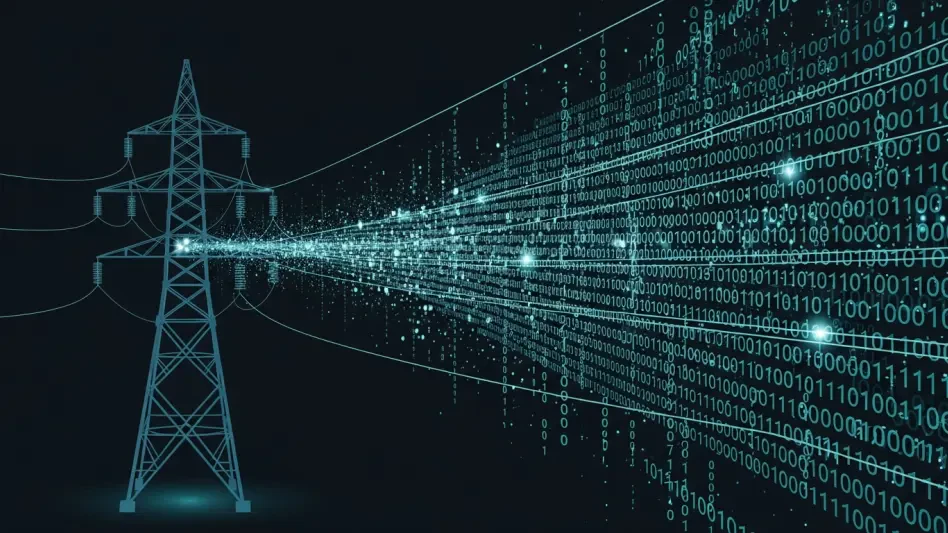
The transition toward “smart grids” and the integration of Operational Technology (OT) with standard Information Technology (IT) removed these historical barriers, creating a vast and interconnected attack surface. Past developments in automation and remote management were implemented to streamline utility services, yet they inadvertently introduced a “legacy gap.” Much of the hardware managing global infrastructure, such as programmable logic controllers (PLCs), was designed before cybersecurity became a foundational requirement. As these legacy components were brought online to facilitate modern management, they became visible to adversaries who previously had no digital route to reach them. This shift from physical mechanics to networked systems is why modern grids are now viewed as highly accessible targets.
Strategic Dynamics: Why Utilities Define the Modern Battlefield
Geopolitical Weaponization: The Influence of State-Sponsored Operations
The energy sector is a primary target because it serves as the ultimate lever for geopolitical influence on the global stage. Unlike financially motivated cybercrime, attacks on energy infrastructure are frequently driven by the long-term strategic objectives of nation-states. Research indicates that the sector is involved in approximately 35% of all APT activities over any given six-month horizon, a level of sustained interest that few other industries experience. This activity is heavily concentrated in East Asia, with China-aligned actors like MISSION2074 and Volt Typhoon leading the effort. These groups are not merely seeking data for theft; they are conducting sophisticated reconnaissance to establish a persistent “foothold” in critical systems.
Beyond East Asia, other nations use energy targeting to achieve specific regional goals and exert pressure on rivals. Iranian groups, for instance, have demonstrated a focused interest in fuel tank monitoring systems and PLCs in the West, suggesting a preparation for operational disruption rather than simple espionage. Similarly, the Lazarus Group from North Korea blends traditional data gathering with attempts to secure technical intelligence that could aid their domestic energy initiatives. These patterns illustrate that the energy sector is not just being “hacked” in the traditional sense; it is being meticulously mapped for potential use in future conflicts, where the ability to disable a power grid could be as effective as a conventional military strike.
Operational Vulnerability: The Convergence of Infrastructure Layers
A critical aspect of the current threat landscape is the sophisticated way adversaries exploit the intersection of information technology and operational technology. Threat actors have moved beyond simple administrative breaches, focusing instead on the underlying infrastructure that facilitates remote management and network oversight. By targeting virtual private networks (VPNs), routers, and remote desktop software, attackers can establish a permanent presence within a utility’s network. This “living off the land” approach allows them to move laterally from administrative IT systems into the highly sensitive OT environments that govern physical processes.
The challenge in this space lies in the differing priorities of IT and OT departments. While traditional IT focuses on data confidentiality and privacy, OT environments prioritize physical safety and continuous availability. An attack on a power plant’s PLC is particularly concerning because these components govern the actual flow of electricity or water. If hardware of this nature is compromised, the risk escalates from a “data breach” to a potential physical blackout or mechanical failure. This convergence creates a unique set of risks where digital vulnerabilities translate directly into physical dangers, making the energy sector a high-consequence environment for any security failure or oversight.
Regional Realities: The Geography of Disruption and Financial Myths
While state-sponsored espionage is the primary driver of these threats, the sector also faces complexities regarding regional risks and the role of cybercrime. The United States remains the most targeted nation due to its vast infrastructure and global geopolitical status, but Europe and the Indo-Pacific are facing rapid increases in hostile activity. In Europe, energy security has become a central pillar of regional stability, leading to a rise in state-aligned hacktivist activity targeting infrastructure in nations like Poland and Sweden. These regional differences highlight that the “top target” status of energy is a global phenomenon, though the specific actors and their methods vary significantly by geography.
Furthermore, there is a common misconception that ransomware is the biggest threat to the energy and utilities sector. In reality, data suggests that ransomware accounts for only a small fraction of victims in this industry, often estimated at less than 3%. While groups like LockBit3 have successfully targeted utilities, there is little evidence that these criminals are “specializing” in energy. Instead, utility companies are often caught in broader, opportunistic sweeps. The true danger remains the quiet, persistent presence of state actors who are not interested in a ransom payment, but in the ability to disable a city’s power at a moment’s notice. This distinction is vital for professionals deciding where to allocate defensive resources.
Technological Projections: The Rise of Wipers and Artificial Intelligence
Looking toward the immediate future, the energy sector faces a landscape shaped by increasingly destructive innovations. One of the most alarming trends is the proliferation of “wiper” malware—software designed not to steal data, but to permanently delete it and disable critical systems. The use of the Lotus wiper and similar tools in various regional conflicts demonstrates a growing willingness among adversaries to cause tangible physical disruption. This shift suggests that the era of “quiet” espionage is evolving into an era of operational sabotage, where the ultimate goal is to inflict maximum chaos on civilian populations through the denial of essential services.
Technological shifts are also being driven by the integration of Artificial Intelligence (AI) into the attacker’s toolkit. We are already observing the first instances of AI-assisted operations, such as attempts to automate the discovery of vulnerabilities in energy infrastructure. As threat actors refine these tools, they will be able to bypass traditional security protocols with unprecedented speed and precision. In the coming years, the “arms race” between attackers and defenders will be defined by who can best leverage AI—either to mask movements within a network or to detect and neutralize threats in real-time before they can reach the operational core of a utility plant.
Strategic Imperatives: Strengthening Infrastructure Resilience
To mitigate these escalating risks, organizations must move away from a purely reactive posture. The primary recommendation for professionals in this sector is to shift focus from “indicators of compromise” (IOCs) to “tactics, techniques, and procedures” (TTPs). Because sophisticated actors frequently change their digital signatures and file names, defenders must learn to recognize the behavioral patterns common across various APT groups. This includes prioritizing the security of exposed remote access interfaces and ensuring that VPNs and routers are constantly patched and monitored for any sign of unauthorized lateral movement.
Furthermore, energy providers must implement “defense-in-depth” strategies that specifically isolate and protect the OT and industrial control system (ICS) environment. Actionable strategies include the implementation of rigorous network segmentation to ensure that a breach in the corporate IT environment does not provide a direct path to the power plant floor. For consumers and professionals alike, the guidance is clear: as AI-assisted attacks become the norm, the industry must explore AI-driven security solutions to match the speed of the adversary. The real-world application of these best practices is no longer optional; it is a fundamental requirement for maintaining national and economic stability in an age of digital warfare.
Recap: Securing the Foundation of Global Civilization
The global energy sector stood as the ultimate prize for state actors seeking to influence the geopolitical balance of power without engaging in open kinetic conflict. Throughout the analysis, the evidence showed that the intersection of legacy hardware and modern networks created a persistent vulnerability that adversaries were eager to exploit. The transition from physical air-gaps to smart grids was identified as the primary catalyst for the current “Elevated” threat level, as it bridged the gap between remote hackers and physical infrastructure. Researchers observed that while financial crime existed, the most dangerous threats were the silent, state-sponsored campaigns mapping the grid for future disruption.
The study of recent incidents clarified that the risk of wiper malware and AI-driven attacks was no longer a theoretical concern but a present reality. Defensive efforts in the sector transitioned toward behavioral analysis and strict network segmentation as the only viable methods for protecting operational technology. Ultimately, the ability to safeguard energy infrastructure was recognized as synonymous with the preservation of modern society itself. Stakeholders who prioritized proactive resilience over reactive patching found themselves better prepared for the evolving tactics of sophisticated adversaries. These findings confirmed that in a world where the power grid is the primary target, continuous vigilance remained the only effective deterrent against the threat of digital and physical paralysis.