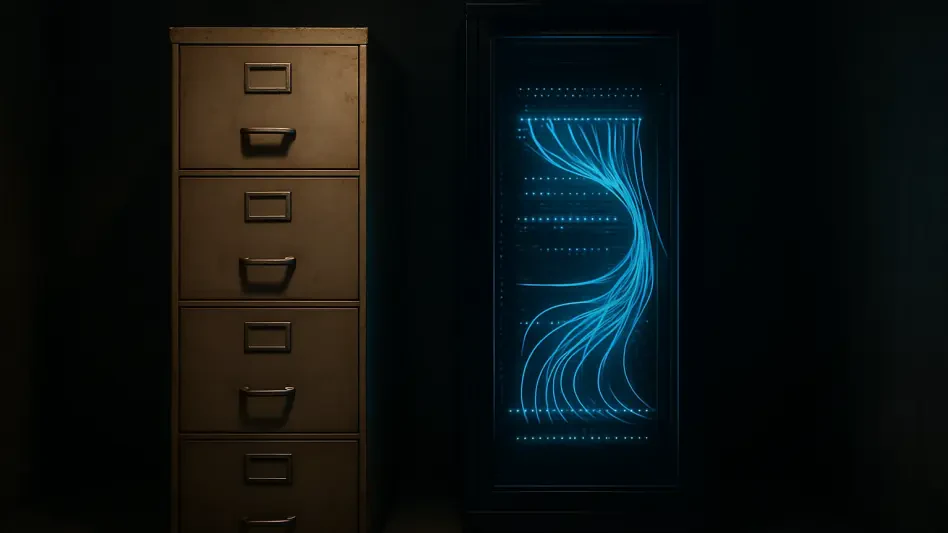
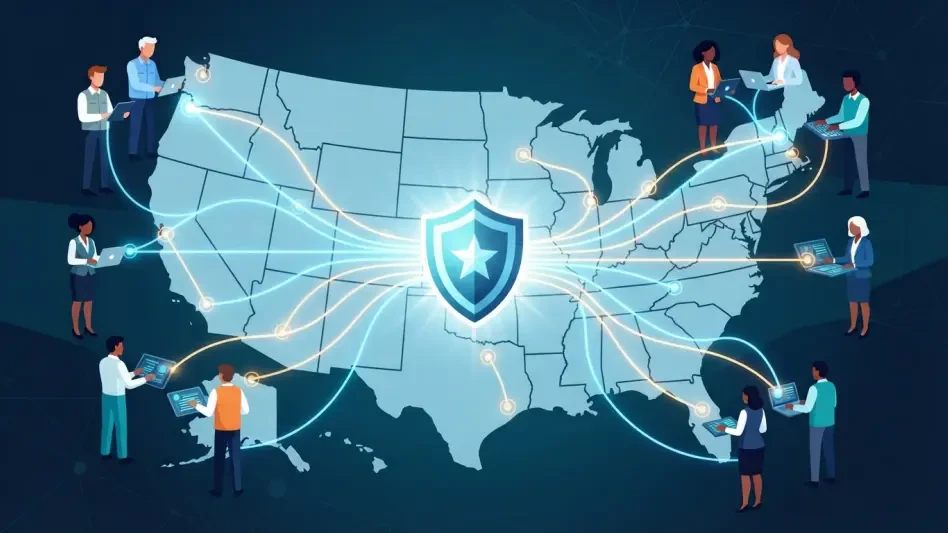
The current discrepancy between the House and Senate versions of the 2027 NDAA has created significant uncertainty regarding the future of American collective digital defense. This legislative friction comes at a precarious moment as thirty-six major industry groups, representing sectors from aerospace to healthcare, have issued a unified call for a decade-long extension of the Cybersecurity Information Sharing Act of 2015. Known as CISA 2015, this framework serves as the bedrock for public-private cooperation, yet its pending expiration on December 11 of this year threatens to dismantle years of progress in threat intelligence exchange. Businesses argue that the current cycle of short-term renewals undermines long-term strategic planning and inhibits the deep, trust-based relationships necessary to withstand sophisticated cyberattacks. By advocating for a ten-year reauthorization within the 2027 National Defense Authorization Act, these organizations seek to secure a predictable environment. This stability was vital for the integration of defensive protocols across the private sector.
Foundations of Trust: The Role of Liability Protections
The core of the 2015 act is the provision of legal immunity for companies that share indicators of compromise with the government. Without these shields, general counsels would likely block the release of sensitive telemetry data to avoid litigation risks or regulatory scrutiny. The industry coalition, including the U.S. Chamber of Commerce and the American Bankers Association, highlights that the voluntary nature of this system depends entirely on the stability of these protections. If the law were to lapse, the immediate result would be a blackout of shared intelligence, as firms revert to siloed defensive postures to protect their legal interests. This regression would not only blind individual companies but would also starve federal agencies of the real-time data they need to identify broader patterns of malicious activity across the national landscape. Consequently, the push for an extension is a demand for the preservation of a system that has become integral to everyday operations.
Beyond banking, the move involves the National Rural Water Association and energy-sector groups, proving that cybersecurity is no longer a localized IT issue but a fundamental requirement for physical infrastructure stability. These organizations operate under varying degrees of regulation, and CISA 2015 provides a uniform standard for information sharing that bypasses the complexities of sector-specific mandates. By establishing a clear, multi-year mandate, the 2027 NDAA could ensure that these essential services remain part of a unified defense strategy rather than a fragmented collection of vulnerable targets. The consensus is that the legal framework must be as durable as the physical assets it protects, requiring a commitment that spans beyond the immediate political cycle. Ensuring that a small water utility in the Midwest has access to the same threat intelligence as a global financial giant remains the primary goal of this collective advocacy effort and is vital for national safety.
Strategic Adaptation: Addressing AI and National Resilience
As organizations navigate the complexities of 2026, the arrival of generative AI and machine-learning-driven exploits shifts the timeline of cyber warfare. Adversaries use automated tools to scan for zero-day vulnerabilities and generate polymorphic malware at a scale and speed that human analysts cannot match alone. The industry coalition argues that a long-term extension of the sharing act must evolve to account for these AI-driven threats, a concept integrated into the House version of the 2027 NDAA. For defenders to stay competitive, they require a legal environment that encourages the sharing of AI-specific indicators of compromise without delay. This means that the velocity of information exchange must equal the velocity of the attacks themselves. A failure to update and extend the legislation would leave the private sector using antiquated legal mechanisms against hyper-modern, automated threats, creating a dangerous mismatch in technical and procedural capabilities.
The decision to prioritize a ten-year extension reflected a strategic understanding that cyber threats did not operate on a short-term election cycle. Stakeholders ensured that the reconciliation process between the House and Senate adopted the necessary provisions for automated threat exchange and liability protection. Organizations prepared for this transition by auditing their internal data protocols to align with new technical standards for real-time intelligence ingestion. Furthermore, the integration of specialized threat feeds into corporate risk management strategies became the primary method for maximizing the value of the legal protections provided by the updated act. As the 2027 NDAA moved toward implementation, the focus remained on building technical interoperability that scaled effectively through the next decade. These actions provided the groundwork for a resilient, interconnected defense capable of adapting to technological shifts occurring between 2026 and 2036.