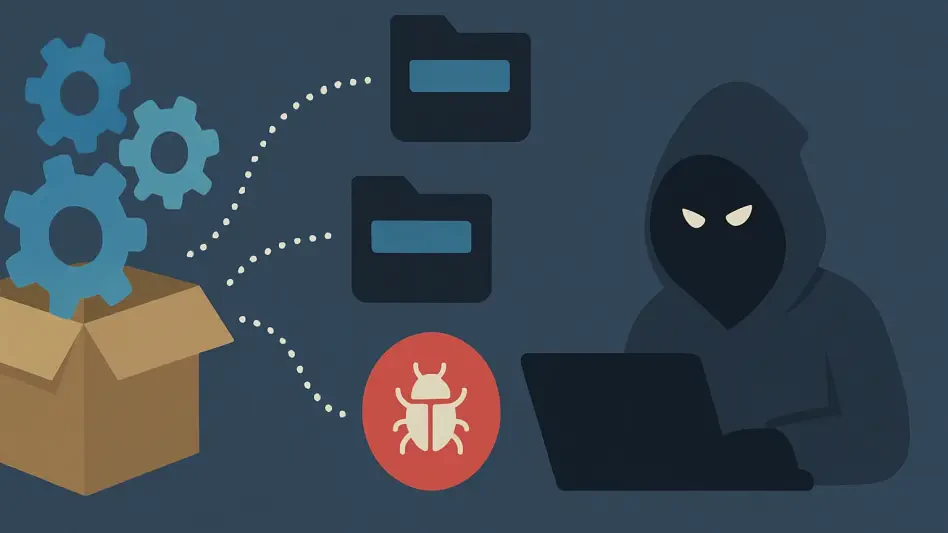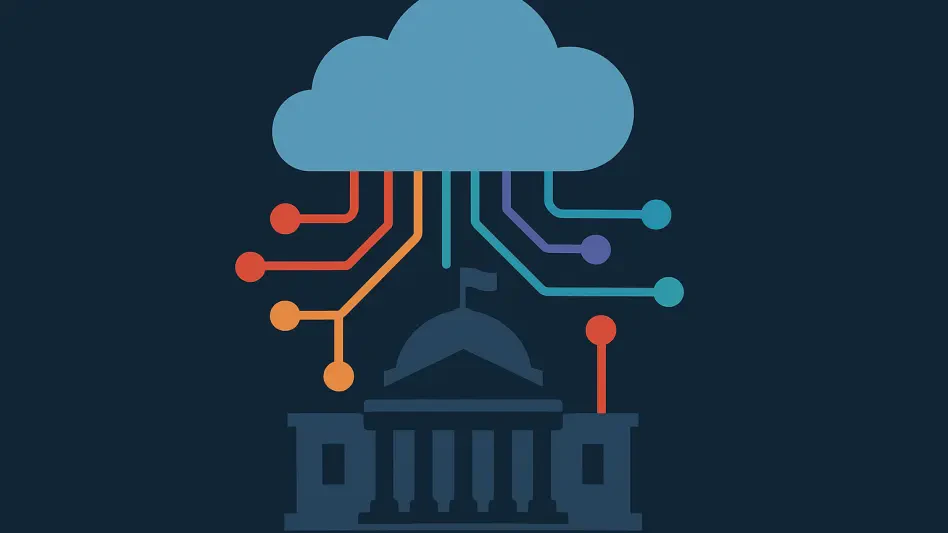

Success in the modern battlespace no longer depends on the physical strength of a soldier but on the millisecond response times of a silicon-based intelligence. The U.S. military is fundamentally altering its approach to digital combat by transitioning artificial intelligence from a passive observer to an active participant. This evolution marks a decisive moment as the Pentagon weaponizes machine learning to project power across the fifth domain of warfare. By moving beyond static defenses, the Department of Defense aims to stay ahead of automated aggression.
From Defensive Shield to Offensive Engine
Transitioning to AI-driven offensive operations has become a mandatory evolution rather than a simple technological upgrade. For years, neural networks served as digital sentries, scanning for vulnerabilities and patching infrastructure. However, the current landscape requires a proactive stance to maintain strategic dominance. As global threats become more automated, the military seeks to leverage machine learning to seize the initiative before a digital strike ever lands.
Strategic Integration: Anthropic and the New Tools of Engagement
At the core of this shift is the deployment of sophisticated language models like the Claude Mythos Preview and Project Glasswing. Although these tools were originally designed by Anthropic for security auditing, the Pentagon adapted them for offensive maneuvers. These models allow planners to identify exploit paths at speeds that human analysts cannot match. This progress navigated a complex bureaucratic landscape, as officials resolved prior concerns regarding supply chain security before authorization.
Expert Perspectives on the AI Military Revolution
Former leaders of Cyber Command argue that the line between offense and defense has effectively blurred. Experts contend that a robust defense is now impossible without an offensive AI capable of preemptively neutralizing threats. This doctrinal shift suggests that the future of sovereignty depends on maintaining an edge in algorithmic speed and accuracy.
Frameworks for Managing AI-Driven Warfare
To govern these tools, the Department of Defense established rigorous safety protocols that kept human commanders in control. Human-in-the-loop oversight ensured that while the AI managed execution, ultimate authority remained with a person. Secure sandbox environments were utilized to train models, preventing unintended propagation. These exercises identified critical flaws, effectively turning offensive tools into the ultimate stress test for national resilience.