The Strategic Takedown of a Global Cyber Menace
The dismantling of the KillSec ransomware syndicate represents a masterclass in how international police agencies can collaborate to dissolve high-tech criminal networks across multiple continents simultaneously. Operation KillSwitch successfully neutralized the syndicate’s infrastructure and its human leadership. This operation marked a pivotal moment in the fight against cybercrime by targeting the administrative core of the organization. Understanding the timeline of KillSec’s activities is essential for grasping the evolving nature of digital extortion and the countermeasures deployed by authorities. Coordinated international interventions remained the only viable path toward securing critical infrastructure.
A Chronological Account of the Operation KillSwitch Success
Early 2024: The Emergence of the KillSec Syndicate
KillSec debuted in early 2024, establishing itself as a prolific threat actor within the ransomware-as-a-service ecosystem. The group operated with a hybrid model, acting as both ransomware operators and data brokers. They utilized sophisticated Windows and VMware ESXi lockers to paralyze systems while exploiting misconfigured cloud storage to exfiltrate information. During this phase, the group claimed responsibility for over 500 confirmed attacks globally, primarily targeting hospitals and financial institutions in the United States and India.
Mid-2024: International Intelligence Gathering and Coordination
German authorities spearheaded a multinational investigation supported by Europol and Group-IB. This period involved intense digital forensics to map the group’s decentralized infrastructure and identify individuals behind pseudonyms. Investigators discovered that KillSec’s ransom demands strategically varied from $5,000 to $500,000. Intelligence gathered allowed law enforcement to identify servers used for managing attacks and hosting public leak sites.
Late 2024: Execution of Operation KillSwitch and Infrastructure Seizure
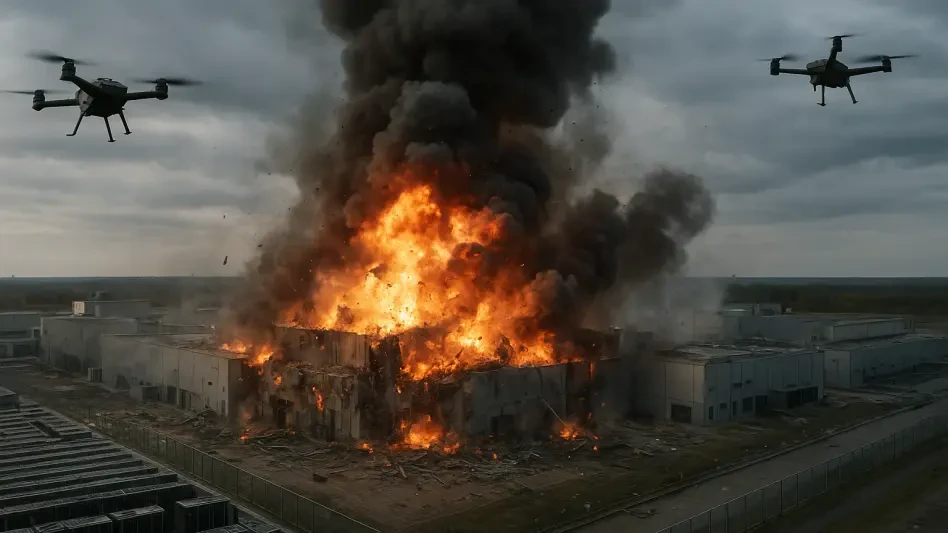
The operation culminated with a synchronized strike against physical and digital assets. Law enforcement seized five critical servers that functioned as the backbone of the group’s extortion activities. This seizure protected approximately 110TB of sensitive data scheduled for public release. By taking control of leak sites, authorities silenced the group’s primary leverage mechanism, ensuring the stolen data was secured before criminals could execute threats.
Late 2024: Targeted Arrests and the Dismantling of Leadership
The final stage involved the apprehension of the human elements behind the code. In Spain, a 16-year-old Romanian national identified as the primary administrator was taken into custody. Simultaneously, an 18-year-old developer was arrested, stripping the group of its innovation capabilities. United States authorities also indicted Fouad Eltibrizi, a Dutch national known as “Archduke,” on hacking charges. These arrests ended KillSec’s operational capacity.
Analyzing the Turning Points and Impact of the Takedown
Operation KillSwitch highlighted a shift toward human-centric disruption. The most significant turning point was the realization that while servers are replaceable, specialized administrative talent is scarce. By focusing on developers, law enforcement achieved permanent disruption. Public-private partnerships, where firms provided technical telemetry, became essential for building airtight cases. The recovery of 110TB of data set a new standard for victim mitigation, preventing the secondary harm that typically follows a breach.
Global Nuances and the Future of Ransomware Countermeasures
The fall of KillSec revealed complex regional dynamics, particularly the heavy targeting of the United States and India. It suggested that syndicates were becoming more selective, targeting regions with high digital integration. The young age of the leadership underscored a trend of skilled minors being recruited into digital crime. Future countermeasures prioritized the “human in the middle” methodology as an industry standard. International task forces focused on coordinating arrests across borders to protect global critical infrastructure from decentralized syndicates.