
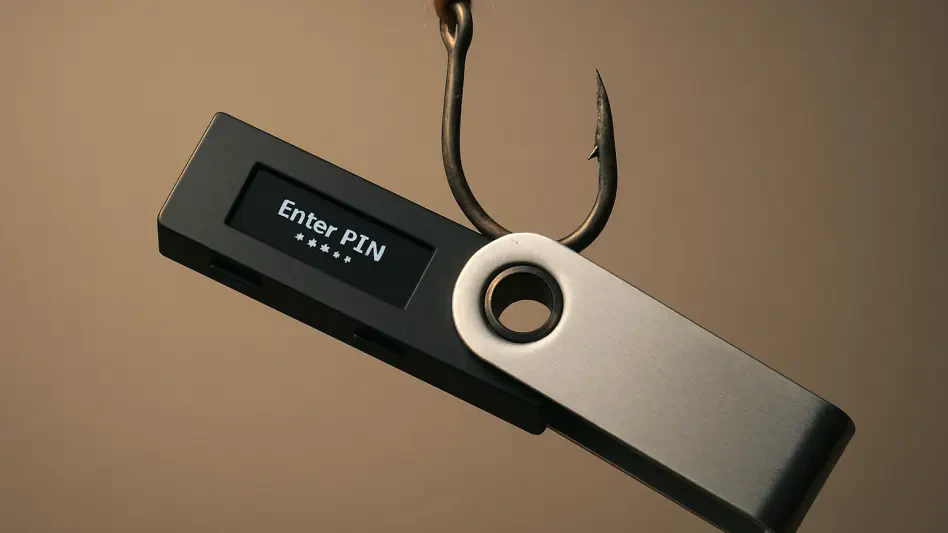
The growing sophistication of cryptocurrency theft has moved beyond simple digital scams into the realm of high-fidelity physical replicas that compromise the very hardware meant to protect digital assets. When a Brazilian cybersecurity expert recently purchased what appeared to be a standard Ledger Nano S+ from a third-party marketplace, he inadvertently exposed a massive hardware-based phishing operation that effectively bypasses traditional security protocols. This discovery highlights a dangerous trend where attackers leverage sophisticated manufacturing capabilities to create near-perfect clones of legitimate security devices. These counterfeit units are designed to deceive the official verification software initially, though in this specific case, the genuine Ledger Live application correctly flagged the device as fraudulent. The investigation that followed revealed a meticulously planned trap involving modified hardware components and a custom firmware stack designed to exfiltrate seed phrases and monitor balances in real-time without the user’s knowledge or consent.
The Mechanics of the Deception: Internal Hardware Analysis
Physical Counterfeiting: The Anatomy of a Clone
The physical teardown of the suspicious device revealed a startling level of technical effort aimed at mimicking the internal architecture of a genuine Ledger Nano S+ while using cheaper, compromised components. Instead of the specialized secure element chips found in authentic wallets, the central processing unit was an ESP32-S3 system-on-a-chip that had its manufacturer markings physically scraped off to obscure its true identity. This modification was accompanied by custom programming designed to spoof the factory identification and serial numbers of a legitimate “Nano S+ 7704” unit to pass basic inspection. Despite these efforts, the hardware lacked the cryptographic integrity required for actual secure storage, serving instead as a bridge for the attackers to gain access to the user’s secret keys. The presence of such a sophisticated clone in the retail market suggests a supply chain vulnerability where malicious actors can intercept or replace genuine hardware with dangerous proxies that look identical to the naked eye even under close scrutiny.
Firmware Manipulation: Hidden Command and Control
Beneath the surface of the cloned hardware, the firmware was found to contain hard-coded credentials for command-and-control servers, enabling a direct link between the physical wallet and the attacker’s infrastructure. Interestingly, the thieves did not utilize the built-in Wi-Fi or Bluetooth capabilities of the ESP32 chip for immediate data exfiltration, likely to avoid detection by network monitoring tools that might flag unusual outbound traffic from a “cold” wallet. Instead, the firmware was designed to work in tandem with a broader fraudulent software ecosystem that users were funneled into during the initial setup process. One of the most insidious features discovered within the code was the ability to monitor account balances through public keys, allowing the attackers to receive automated alerts the moment a victim deposited funds into the compromised device. This level of persistence ensures that the attackers can wait for a significant sum to be transferred before executing their final theft, maximizing the potential return on their initial investment in the hardware development.
The Digital Trap: Malicious Software Ecosystems
Software Spoofing: Cloned Sites and Compromised Apps
The success of this phishing operation relied heavily on a convincing digital environment that mimicked the official Ledger website through malicious QR codes embedded in the packaging or the device interface itself. These links directed unsuspecting users to a cloned domain where they were encouraged to download compromised versions of the Ledger Live application for Windows, macOS, or Android devices. These malicious applications functioned as data harvesters, tracking the physical location of the device and slurping up sensitive information such as PINs and recovery seed phrases during what the user believed was a standard configuration sequence. By controlling both the physical hardware and the software interface, the attackers effectively removed the “air-gapped” security layer that makes hardware wallets desirable in the first place. The investigation confirmed that once the seed phrase was entered into the fake application, it was immediately transmitted to the command-and-control servers, giving the criminals full authority to drain the wallet from any location across the globe.
Tactical Responses: Securing the Supply Chain
Protecting digital wealth from these advanced hardware-based threats required a shift in how investors approached the procurement and setup of security devices throughout 2026. The primary lesson from this security breach was that hardware security was only as resilient as the supply chain through which it traveled, making third-party retailers a significant risk factor. To mitigate these dangers, users were advised to strictly adhere to purchasing hardware exclusively from original manufacturers or officially verified resellers who provided a transparent chain of custody. It was also critical to perform secondary verification checks, such as ensuring the official desktop or mobile application confirmed the device’s authenticity before any private keys were generated or entered. If a device was flagged as non-genuine, it was treated as a live threat and disconnected from all networks immediately to prevent further data exposure. These measures ensured that the benefits of cold storage remained intact against increasingly clever physical interventions.