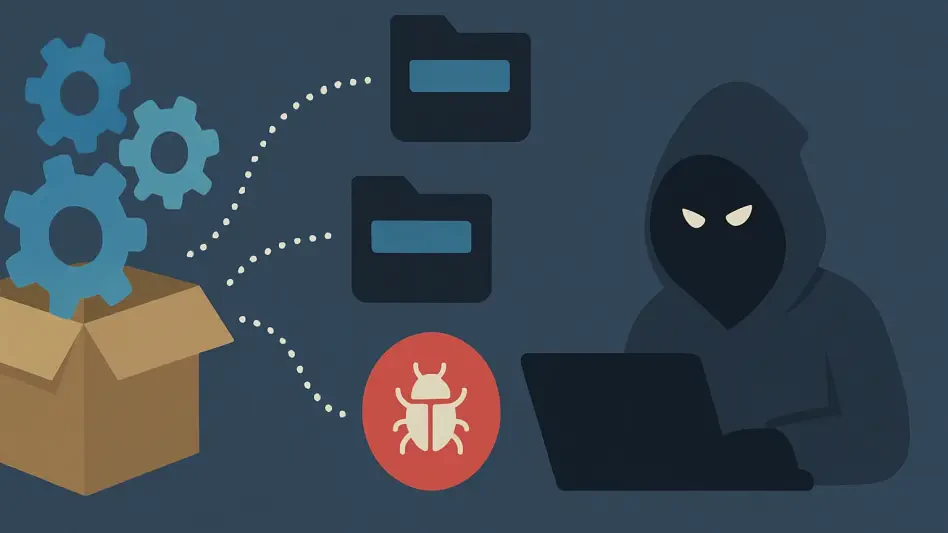

RelentlessinformationpressurehasbecomethenormacrossCentralandEasternEuropeasKremlin-linkednetworksbraiddisinformation,covertinfluence,andcyberattacksintocampaignsdesignedtonudgeelections,polarizepublics,andpitregionalgovernmentsagainstNATOandtheEU. The tools are modern but the logic is old: win by eroding trust. In this contest of perception and resilience, Poland, Romania, Moldova, and Ukraine have been test beds for tactics that move from fringe channels to mainstream narratives with unnerving speed. What once looked like isolated hoaxes now appears as a system, where artificial intelligence sharpens falsehoods, cloned sites spoof institutions, and hacks seed plausible panic. The effect is cumulative rather than spectacular, more drip than deluge, yet with each cycle of crisis the recovery time shortens and the cost to governance rises.
The New Battlespace: Information as State Power
Moscow’s playbook treated information as a force multiplier, fusing propaganda with cyber operations and local proxies to achieve political effects at low cost. Rather than chase single viral hits, campaigns mixed steady narrative framing with timed surges keyed to elections, border incidents, or alliance milestones. The method mattered as much as the message. Telegram channels primed skeptical audiences; Facebook and X amplified controversy; state-aligned outlets laundered themes into traditional media. By the time officials issued rebuttals, attention had shifted to the next outrage. In this rhythm, deniability thrived. Intermediaries—activists, influencers, and sympathetic parties—acted as carriers, whether ideologically aligned or opportunistic.
The hybrid strategy blurred lines between hard and soft pressure. Hacking operations probed ministries and utilities while coordinated content pushed divisive memes about sovereignty, climate rules, or migration. Deepfakes added texture, giving false claims the cadence of authenticity. The goal was not only to disorient publics but also to divide elites and delegitimize processes that sustain consensus. That convergence proved pivotal in Central and Eastern Europe, where post-transition media markets, fragmented party systems, and uneven regulatory guardrails created openings. When NATO or EU policy debates heated up, narratives recast the West as overbearing and Russia as reactive, inviting fence-sitters to hedge and incumbents to second-guess alignment.
Trust Under Fire: Elections, Narratives, and Media Pressure
Trust was the target variable that connected these tactics into a coherent strategy. Erode confidence in elections, institutions, and factual baselines, and policymaking slowed to a crawl. Each scandal—real or engineered—invited performative outrage and drained administrative attention. Poland provided a clear illustration. Between 2022 and 2024, military counterintelligence flagged coordinated narratives that dressed up climate skepticism as grassroots revolt, priming unrest ahead of the presidential race. During the Poland-Belarus border crisis, Russian and Belarusian outlets, amplified by troll farms, circulated imagery and testimonials portraying Polish forces as brutal toward migrants, aiming to catalyze international censure and dent Warsaw’s credibility.
Romania’s presidential contest in 2024 showed how tailored stories could lift a fringe bid. The ascent of Călin Georgescu, a pro-Russian, anti-EU candidate, tracked with online ecosystems that blended anti-elite resentment with meta-narratives about Brussels overreach and NATO adventurism. The risk was not a singular electoral upset but the long tail: normalization of Eurosceptic frames that complicated defense planning, sanctions policy, or support to Ukraine. The same pattern surfaced around media ecosystems. In Moldova, investigations detailed a plan to expand Moscow’s informational footprint by 2030 through pressure on journalists and potential media capture. The aim was structural—reshape agenda-setting power so that falsehoods looked routine and scrutiny felt costly.
Cyber Escalation and AI: Incidents, Tools, and Synchronization
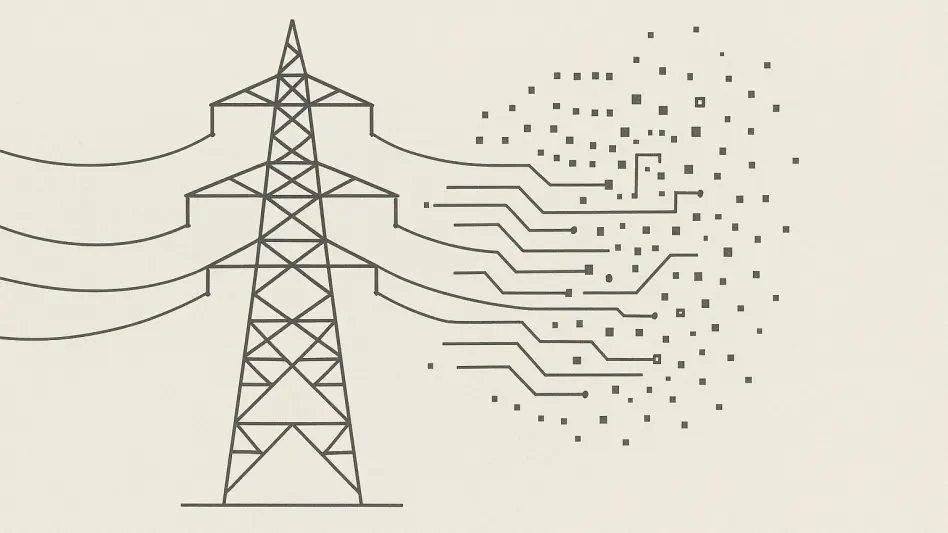
Cyber pressure climbed in lockstep with narrative operations and proved most persuasive when technical disruption met psychological effect. Poland’s data told the story: roughly 40,000 incidents were recorded in 2022 and about 80,000 in 2023, a doubling that strained response capacity. In 2022, 58% of Polish companies reported at least one breach and a third saw rising intensity, reflecting a broader uptick tied to the war in Ukraine and Russia-aligned activity. The sophistication shifted as well. Intrusions moved beyond theft to manipulation, reshaping datasets or public portals to seed rumors of administrative failure. When outages hit municipal sites or utility dashboards, disinformation accounts pounced to narrate chaos before officials could brief the public.
Artificial intelligence tightened this loop. Self-learning algorithms helped pick targets, schedule drops, and tweak content for maximal engagement across languages. Deepfake toolkits lowered the skill bar, transforming dubious claims into slick audio and video that outran fact-checks. Automation made saturation feasible; cloned domains and mirrored pages extended reach while preserving plausible deniability. The timing was surgical. Election weeks, security exercises, and contentious parliamentary votes often coincided with phishing waves and credential stuffing against party staff, local governments, or newsrooms. The sum effect fostered ambient uncertainty: if the servers were down and a convincing video contradicted yesterday’s policy, doubts multiplied even among attentive citizens.
Manipulating Reality: Deepfakes, Spoofed Sites, and the Official Record
Synthetic media targeted the linchpins of credibility—named officials, military commands, and alliance statements. In June 2024, a fabricated video of U.S. State Department spokesperson Matthew Miller circulated to muddy perceptions of American support for Ukraine, pushing skeptics to claim policy drift where none existed. The previous November, doctored audio purportedly from Ukrainian military officials called for internal conflict, tapping into wartime fatigue to fracture societal cohesion. These pieces worked not by convincing everyone, but by offering doubters something shareable and timely, eroding the premium on verified sources and widening the space for speculation.
Spoofed institutions played a parallel role. The “Doppelgänger” campaign mimicked official websites and reputable outlets to post false announcements, including claims that NATO planned to double its budget or that Ukrainian paramilitaries might deploy in France to police protests. A cluster of pro-Russian sites leaned into the 2024 European Parliament elections, serving multilingual stories built to depress turnout and cast Brussels as unaccountable. The attraction was obvious: if a forged .eu domain carried a compelling headline, even a brief window before takedown could drive shares across Telegram and Facebook. Cleanup followed, but the residue remained—screenshots, reframed narratives, and a lingering sense that nothing authoritative could be trusted.
Cross-Border Coordination and Regional Resilience
Coordination across Russian and Belarusian channels ensured speed and scale. Content pipelines recycled posts through Telegram clusters, then laundered them into local Facebook groups, diaspora pages, and influencer threads on X. Troll farms seeded comments that nudged talking points from fringe to familiar, while cloned sites lent institutional gloss. The multilingual posture mattered. A message about NATO “provocation” played one way in Slovak feeds and another in Polish or Romanian spaces, tailored to local grievances. The effect resembled a choir with many parts—some off-key by design—so that contradiction looked like authenticity rather than orchestration, and audiences could pick the version that confirmed prior doubts.
Resilience, though uneven, advanced. Counter-disinformation units formed inside several governments, civil society watchdogs mapped networks, and incident reporting matured, as Poland’s figures suggested. Fact-checkers partnered with broadcasters to run quick-turn debunks during peak cycles, and election authorities bolstered contingency communications for portal outages or ballot misinformation. Still, defenses lagged automation. Encrypted channels and closed groups enabled rapid cascades that official pages rarely reached. Media literacy programs improved but struggled to compete with emotive narratives tuned to identity and grievance. Regulatory fixes helped against cloned domains and ad mislabeling, yet lawsuits and regulatory pressure against independent outlets in vulnerable states muted scrutiny when it counted most.
What Comes Next: Guardrails for a Durable Information Defense
The next phase required treating communication integrity as national security, not a sidecar to it. Detection of synthetic media needed enterprise tooling inside newsrooms and public agencies, with standardized provenance watermarks on official audio and video. Rapid-response cells across ministries had to coordinate with platforms for time-bound demotions of demonstrably false content during acute windows such as election day or major crises. Cyber and comms teams needed joint playbooks so that a breach did not metastasize into a narrative rout. Investment in municipal-level capacity proved decisive, because local portals and mayors were frequent targets whose audiences trusted them more than distant ministries.
Regional cooperation also demanded upgrades. Cross-border information-sharing on emerging narratives and cloned domains worked best when tied to pre-agreed thresholds for joint advisories. NATO centers of excellence and EU hybrid fusion cells offered templates, but national uptake varied. Public broadcasters needed stable funding and clear editorial firewalls to resist capture attempts. Meanwhile, campaign transparency rules should have been updated to account for influencer-driven spending and foreign in-kind support routed through opaque networks. Above all, election commissions benefited from stress-tested backup channels—SMS alerts, radio cut-ins, mirrored sites with DNS prepositioning—so that voters were not left to rumors if official portals suffered outages.
From Warning Signs to Action: A Playbook for Democratic Stability
The trajectory across Central and Eastern Europe pointed to a long contest that blurred wartime urgency with peacetime routine, and actionable steps were available. Security services had to formalize channels with independent researchers, enabling structured data access under clear safeguards and reciprocal briefings ahead of known flashpoints. Education ministries could have integrated practical media verification into civics curricula, building habits around source checking rather than abstract warnings. Procurement policies were due for revision so smaller municipalities could pool demand for vetted cybersecurity and media-monitoring tools through national frameworks, closing the capacity gap exploited in targeted attacks.
Finally, accountability mechanisms mattered. Parties and candidates benefited from rules that mandated disclosure of content supply chains for digital ads and influencer partnerships, reducing space for covert amplification. Platforms, for their part, responded faster when national regulators shared standardized evidence packages linking networks across borders. None of this implied censoring legitimate dissent; it meant clarifying provenance and minimizing the tactical advantage of forgery, coercion, and covert funding. Taken together, these steps treated information security as a living system—technical, legal, and cultural—that underpinned credible governance. The region’s challenge had been urgent, but the toolkit existed, and the window for building muscle memory had been open.