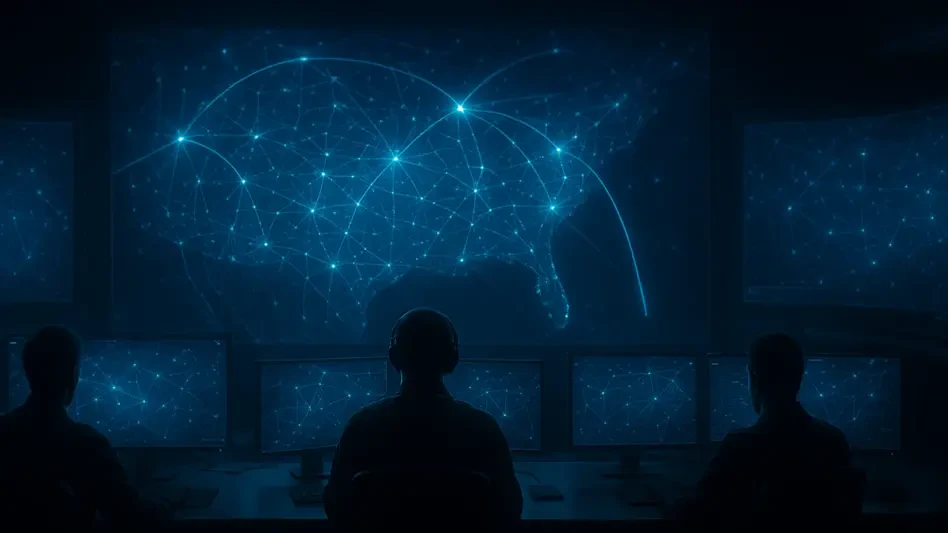

Invisible espionage-focused activities may be occurring below the threshold of public detection, serving as a potential precursor to a more coordinated strike triggered by geopolitical shifts. The recent breach of the medical technology giant Stryker by the Iranian-linked group Handala has reignited a fierce global debate regarding the actual potency of Tehran’s digital arsenal. By successfully wiping critical data and temporarily disabling emergency response equipment, the breach forced many observers to question if a new era of digital conflict has arrived. While the immediate operational paralysis was undeniable, security analysts are now looking past the initial shock to determine if such events represent a fundamental shift in global power or merely a series of localized, high-profile disruptions. This incident serves as a stark reminder that even commercial entities are now on the front lines of regional friction, necessitating a robust and proactive approach to infrastructure security.
Evaluating the Gap Between Hype and Reality
Following the disruption at Stryker, sensationalist labels like “Digital Pearl Harbor” began to circulate through various media outlets, suggesting a catastrophic level of strategic failure within Western defenses. However, a deep technical audit of the incident reveals that while the attack caused significant financial and operational pain, it lacked the systematic precision required of a top-tier military operation. Iranian efforts appear more opportunistic than orchestrated, often targeting low-hanging fruit within corporate networks rather than dismantling the core pillars of national infrastructure. This pattern suggests that the actors are prioritizing visibility and psychological impact over the achievement of concrete, long-term strategic objectives. By focusing on vulnerabilities in less-guarded civilian sectors, these groups can project an image of strength that may not necessarily reflect their actual ability to compromise hardened government systems or disrupt high-level military communications.
The Strategic Divide: Analysis of Offensive Sophistication
Despite the frequent warnings issued by the American intelligence community regarding Iran’s growing desire for aggressive digital campaigns, the actual execution remains remarkably chaotic and fragmented. During periods of heightened physical conflict, Iranian-backed groups have frequently failed to synchronize their digital strikes with broader military goals or kinetic maneuvers. This consistent pattern of behavior suggests that while the intent to cause harm is high, the technical ability to deliver a decisive, game-changing blow remains unproven and largely restricted to disorganized hacking. The lack of synergy between their cyber units and traditional command structures prevents these operations from reaching their full potential as a tool of statecraft. Consequently, many of these digital excursions function more as isolated acts of harassment rather than as a reliable component of a comprehensive military strategy, limiting their overall influence on the international stage.
Tactical Execution: Intent Versus Delivery in Modern Conflict
A rigorous examination of recent intrusions shows that the Iranian methodology relies heavily on social engineering and the exploitation of known, unpatched vulnerabilities rather than innovative zero-day exploits. This reliance on established entry points indicates a ceiling on their current technical maturity, where they can successfully penetrate organizations with lagging security protocols but struggle against more resilient targets. Furthermore, the objective of these strikes is often the temporary disruption of services or the leaking of internal documents to cause public embarrassment. While these actions can certainly drain corporate resources and damage reputations, they fall short of the destructive capabilities needed to paralyze a nation’s ability to respond to a physical crisis. The focus remains on short-term disruption, which, while problematic for individual companies, does not equate to the strategic depth required to challenge a major global power in a sustained digital war.
The Asymmetry of Digital Power
A significant barrier to Iran’s strategic success in the digital realm is the overwhelming asymmetry it faces when compared to the established capabilities of the United States and Israel. Sophisticated cyber warfare is not just about writing malicious code; it requires a deep integration of military intelligence and a robust physical infrastructure that Western powers have spent decades perfecting. When regional tensions escalate, these adversaries have demonstrated a persistent ability to “blind” Iranian forces by neutralizing their communication networks and targeting the specific human leadership behind their cyber units. This level of environmental control is achieved through a combination of superior hardware, advanced signal intelligence, and a massive investment in human capital. The vast resource gap ensures that even when Tehran manages a successful breach, the retaliation can be so swift and comprehensive that it effectively nullifies any temporary advantage gained by the hackers.
Global Standards: Comparing Diverse Cyber Arsenals
The defensive and offensive posture of the West has consistently managed to relegate Iranian hackers to a state of operational disarray during active engagements. While Tehran’s specialized units are capable of infiltrating commercial systems or gaining control over municipal street cameras, they struggle to maintain operations under the intense pressure of active counter-strikes. This lack of institutional discipline means that Iranian digital actions are often reactive and defensive rather than serving as a reliable tool for projecting power. Furthermore, the absence of a unified doctrine among their various hacking collectives leads to redundant efforts and avoidable exposures. Without the ability to sustain a long-term presence in an adversary’s network under fire, these units cannot transition from being a tactical nuisance to becoming a strategic threat. The result is a cycle where their digital capabilities remain tethered to low-stakes targets while their primary rivals continue to dominate the high-ground.
Future Resilience: Strengthening Global Infrastructure
Ultimately, the fallout from the Stryker incident illustrated that while digital hacking had become a permanent feature of modern regional friction, it was rarely the deciding factor in geopolitical struggles. Iran’s inability to meet high expectations during wartime suggested that opening a vulnerable door into a corporate network was far from winning a digital war. Organizations moved toward a model of persistent resilience, focusing on rapid recovery and the isolation of critical systems rather than attempting to build impenetrable walls. This shift in strategy acknowledged that while intrusions were inevitable, their impact could be neutralized through automated defense and redundant architecture. The strategic impact of Iran’s cyber arsenal remained overshadowed by its conventional forces and the superior digital fortitude of its primary targets. Moving forward, the focus for security leaders shifted to intelligence-sharing and the hardening of global supply chains, ensuring that the spectacle of digital harassment never translated into a true strategic catastrophe.