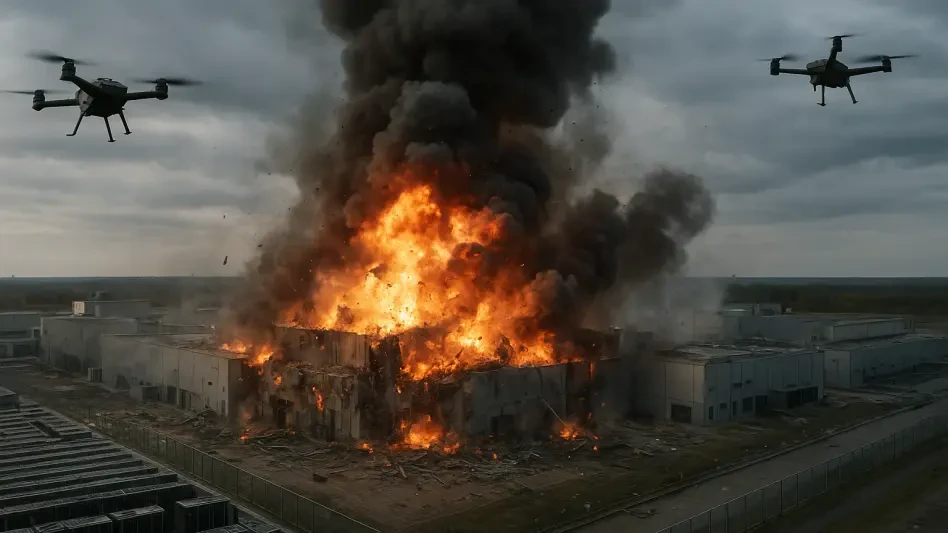

The myth that sophisticated global digital extortion requires decades of underground experience shattered when investigators unmasked a network of teenagers orchestrating one of the most aggressive ransomware campaigns of recent times. This revelation came as the dust settled on Operation KillSwitch, a massive international effort that dismantled the KillSec extortion group. Despite their youth, these digital natives managed to compromise approximately 500 organizations worldwide, demonstrating a level of technical prowess that caught even seasoned security experts off guard.
The operation underscores a critical pivot in the war on cybercrime, where the boundary between adolescent mischief and high-stakes financial terrorism has vanished. By seizing the group’s infrastructure and massive data stores, law enforcement has sent a definitive warning to the next generation of hackers. This case serves as a stark reminder that while the perpetrators may be young, the consequences of their actions are profoundly mature and far-reaching.
Operation KillSwitch: A Massive Blow to the Next Generation of Cybercrime
The successful dismantling of KillSec represents a monumental victory for international law enforcement agencies working in concert to secure the digital frontier. Through Operation KillSwitch, authorities managed to shutter the group’s entire operational infrastructure, effectively ending a spree that targeted a vast array of global entities. This was not a localized effort; it required the synchronization of ten different countries and Europol to ensure no digital corner remained unmonitored.
By confiscating 110 terabytes of stolen data, the task force did more than just stop current attacks; they recovered a massive repository of sensitive information. Shuttering the group’s dedicated leak portal and seizing five central servers has paralyzed their ability to monetize their crimes. The message is clear: digital anonymity is a fragile shield when faced with the combined intelligence and resources of a multi-national coalition.
The Rapid Rise of Adolescent Cyber Extortion Networks
The emergence of KillSec marks a significant evolution in the threat landscape, where youthful technical skill is being weaponized for profit at an unprecedented scale. Since 2024, these young operatives have demonstrated a relentless focus on cloud-based network vulnerabilities, exfiltrating data with alarming efficiency. Their victims spanned critical sectors including healthcare and education, showing a disregard for the potential real-world harm caused by their disruptions.
This trend highlights a growing challenge for cybersecurity professionals who must now defend against adversaries who grew up navigating the very systems they now exploit. The success of these adolescent networks suggests that traditional security models may not be sufficient to deter individuals who view cybercrime as a high-stakes game. International cooperation has transitioned from a strategic benefit to a fundamental requirement in managing these emerging threats.
Anatomy of the Takedown and Key Perpetrators
At the heart of the KillSec operation was a 16-year-old alleged leader whose technical abilities allowed the group to thrive in a competitive criminal ecosystem. The investigation revealed a sophisticated division of labor, with members scattered across different geographic locations. For instance, 22-year-old Fouad Eltibrizi was apprehended in the United Kingdom for his role as the group’s primary negotiator, allegedly calling victims directly to demand ransom.
The physical reach of the operation was just as impressive as the digital one, with coordinated raids on eight residences in Spain, Greece, Romania, and the UK. These searches provided the physical evidence necessary to link the digital breadcrumbs to the individuals behind the screens. Notable victims like the Instituto de Ojos in Puerto Rico and US BioTek Laboratories in Washington highlight the group’s focus on high-value data targets essential to public safety.
Insights from Global Law Enforcement Agencies
The FBI’s Cyber Division and Europol have heralded the operation as a masterclass in shared intelligence and cross-border partnership. They noted that the seizure of 110 terabytes of data provides a treasure trove of evidence that will likely lead to even more arrests within the broader cybercrime community. This proactive approach aims to degrade the core capabilities of criminal groups so thoroughly that rebuilding under a new alias becomes nearly impossible.
Experts within the task force emphasized that the analysis of the seized servers is still in its early stages. By following the flow of criminal proceeds and examining the group’s internal communication logs, investigators are uncovering the full extent of their network. This ongoing process ensures that the impact of Operation KillSwitch will be felt long after the initial arrests, acting as a deterrent toward others who might consider a similar path.
Strengthening Defenses Against Cloud-Based Extortion
Defending against modern ransomware required a proactive shift toward more resilient security architectures and vigilant oversight of cloud environments. Organizations prioritized auditing their cloud configurations to eliminate the misconfigurations that groups like KillSec frequently exploited for data exfiltration. This foundational step was complemented by the widespread adoption of zero-trust models, which ensured that every user and device required rigorous verification before accessing sensitive segments of a network.
The implementation of robust incident response protocols became a standard practice for maintaining business continuity in the face of potential breaches. Agencies also emphasized the critical nature of credential security, urging the use of multi-factor authentication to neutralize the threat of stolen login details. These collective actions moved the global community toward a more secure digital future where technical proficiency was met with even greater defensive sophistication and international resolve.