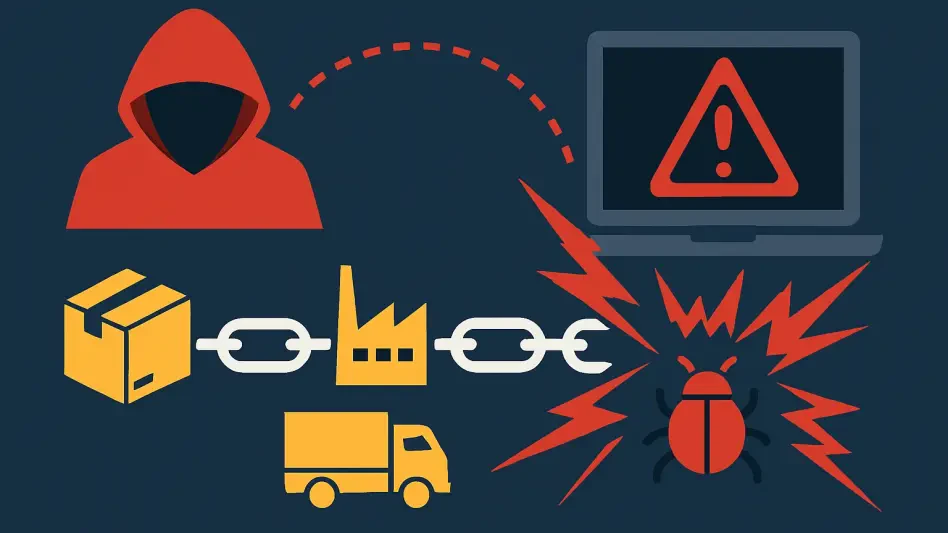

The conventional boundaries of geopolitical confrontation have dissolved into a complex tapestry where the thunder of missile strikes is increasingly synchronized with the silent devastation of code. In the high-stakes theater of the Middle East, the long-standing friction between the United States, Israel, and Iran has transitioned from predictable proxy skirmishes into a full-scale hybrid warfare model. This evolution ensures that every physical explosion on the ground is accompanied by a digital disruption in the cloud, creating a multi-layered battlefield that targets both high-value military assets and the essential digital services of civil society. The latest escalation reached a critical boiling point in late February, following a series of aggressive maneuvers that effectively shattered the existing status quo. Coordinated airstrikes by American and Israeli forces targeted not only hardware but the very core of Iranian leadership, reportedly resulting in the deaths of high-ranking officials. This physical exchange served as the opening bell for a massive digital offensive, proving that modern conflict no longer separates the infantry from the keyboard.
The Digital Frontline and Strategic Disruption
Strategic Paralysis: Disabling Command and Information
The cyber offensive launched against Iran was meticulously designed to paralyze the nation’s ability to coordinate a coherent military defense or manage its internal administrative functions. By aggressively targeting the command and control systems of the Islamic Revolutionary Guard Corps, the coalition forces significantly degraded the state’s military responsiveness at a time of extreme vulnerability. This digital onslaught was not confined to military networks; it extended deep into state-run news agencies like IRNA and various government digital services. The result was a comprehensive neutralization of the state’s propaganda machine, preventing the Iranian leadership from controlling the domestic narrative during a period of intense kinetic strikes. This level of synchronization between physical and digital attacks represents a new standard in military strategy, where the goal is to induce a state of “strategic paralysis” that leaves the adversary blind and disconnected from its own defensive apparatus.
To complement the systemic shutdowns, the campaign incorporated sophisticated psychological operations that were intended to reach the Iranian civilian population directly through their personal devices. Pro-Western hacktivists successfully compromised popular domestic applications, including widely used prayer apps, to broadcast unauthorized notifications suggesting that external help had arrived. This specific tactic highlights a significant shift in modern strategy, where the digital realm is utilized not just to destroy physical hardware or delete sensitive data, but to influence public perception and destabilize internal morale during a crisis. By bypassing state-controlled media and speaking directly to citizens through trusted everyday software, the attackers introduced a layer of confusion and domestic pressure that traditional military force could never achieve alone. This psychological dimension of hybrid warfare complicates the defensive calculus for any state, as the battlefield now includes the private thoughts and perceptions of its own civilian population.
Infrastructure Cascades: Energy and Connectivity Failures
The breadth of the digital disruption experienced within Iran during this phase of the conflict has been described by some observers as the largest cyberattack in documented history. Beyond the immediate disruption of communication channels, the operations achieved deep and persistent intrusions into the nation’s energy and aviation sectors, causing widespread operational failures. These attacks were not merely aimed at gathering intelligence but were intended to cause physical-world consequences, such as grounding flights and disrupting the flow of electricity to industrial zones. The most visible manifestation of this campaign was a verified forty-eight-hour nationwide internet blackout, which was closely monitored and confirmed by independent digital tracking organizations. This total severance from the global network effectively isolated the country, hampering the ability of both the government and private enterprises to function in an increasingly interconnected and digital-dependent global economic landscape.
The strategic targeting of critical infrastructure like energy grids and aviation systems serves as a stark reminder that the modern battlefield is no longer limited to isolated military bases or remote border regions. In this conflict, the very utilities that sustain modern life have become primary targets, used as leverage to force political concessions or to weaken an opponent’s resolve. The technical sophistication required to execute such a large-scale and multi-sectored blackout indicates a high level of coordination between state actors and specialized cyber units. Furthermore, the persistence of these digital intrusions suggests that “backdoors” may have been planted years in advance, waiting for the right geopolitical catalyst to be activated. This long-term preparation for digital sabotage underscores the reality that hybrid warfare is a continuous process of infiltration that exists long before any formal declaration of hostilities or the first kinetic missile is ever launched from its silo.
Iranian Retaliation and Global Fallout
The Great Epic: Destructive Retaliation Tactics
Iran’s response to the physical and digital onslaught, branded by Tehran as “The Great Epic,” demonstrated a dangerous and rapid evolution in the nation’s own cyber capabilities and strategic goals. Moving away from the relatively simple website defacements and low-level data breaches of the past, Iranian-aligned actors have focused heavily on Industrial Control Systems that manage the physical hardware of their adversaries. Reports indicate that these groups have attempted to sabotage the energy grids and manufacturing plants within Israel, seeking to replicate the physical damage of a bombing through digital commands. This shift toward targeting the hardware-software interface represents an escalation in the potential for civilian harm, as the failure of these systems can lead to industrial accidents or the loss of essential public services. Tehran’s willingness to target such sensitive infrastructure signals a commitment to an asymmetric strategy designed to bridge the gap between its conventional military and its digital ambitions.
Central to this retaliatory phase is the deployment of “wiper” malware, a particularly destructive class of software designed to permanently delete critical data and render computer systems unbootable. Groups such as HydraC2 and Handala have been identified as primary participants in these operations, alongside the Sicarii ransomware group, which often blends financial motives with state-sponsored sabotage. By utilizing ransomware against civilian targets like healthcare providers and municipal services, Iranian actors are seeking to create domestic chaos within the United States and Israel. This approach is not merely about data theft but is a calculated tool of national policy intended to cripple the functional capacity of an adversary’s society. The use of these destructive tools suggests that the Iranian leadership views the digital realm as a primary theater for inflicting pain on its enemies, especially when conventional military options are limited by the overwhelming air superiority and technological advantages held by the coalition forces.
Regional Instability: Expanding the Theater of Operations
The ripple effects of this hybrid conflict are no longer contained within the geographic borders of the primary combatants, as digital sabotage spreads across the entire Middle East. Iranian hackers have significantly expanded their operational scope to target fuel infrastructure in Jordan and military logistics providers that support American operations throughout the Persian Gulf. This regional spillover illustrates the extreme difficulty of containing hybrid warfare, as neighboring nations often find themselves caught in the crossfire of digital operations aimed at disrupting allies’ supply chains. When a logistics provider in a neutral country is targeted to prevent the delivery of parts to a US base, the economic and security consequences are felt locally, drawing more nations into the friction. This horizontal escalation creates a volatile environment where the digital security of one nation is inextricably linked to the geopolitical stability of its regional neighbors and international partners.
The ongoing blurring of lines between state-sponsored sabotage and criminal activity further complicates the international response to these cyberattacks. Iranian actors are increasingly adopting the tactics of criminal syndicates, using ransomware and data extortion to fund their operations while simultaneously pursuing Tehran’s strategic objectives. This hybridization of intent makes it difficult for international law enforcement and intelligence agencies to distinguish between a simple heist and a deliberate act of war. As the conflict continues to evolve through the current period, Western civilian infrastructure—particularly in the finance and public utility sectors—remains at a significantly high risk of secondary retaliatory strikes. These attacks are often conducted by decentralized, Iranian-aligned hacktivists who operate with a degree of autonomy but whose actions are synchronized with the broader strategic goals of the state. This creates a persistent threat environment where the target is not a soldier in a trench, but a server in a hospital or a control valve in a water plant.
Algorithmic Warfare: The Role of Artificial Intelligence
The integration of advanced technology, particularly Artificial Intelligence, has added a complex and somewhat unpredictable layer to the military operations conducted during this escalation. Reports have surfaced indicating that the United States military utilized AI models, including those developed by firms like Anthropic, to assist in the coordination and execution of major air attacks against Iranian targets. This marks a significant milestone in the history of automated warfare, where algorithms are used to process vast amounts of sensor data and suggest optimal strike patterns in real-time. However, this development has also sparked intense domestic friction between the military establishment and the private technology sector. The revelation that AI was used in these strikes came shortly after the government initiated a phase-out of certain commercial AI services due to developer concerns over the unrestricted military use of their models. This tension highlights the growing ethical and operational challenges of relying on civilian innovation for lethal military applications.
In the final analysis, the conflict between the United States, Israel, and Iran has fundamentally redefined the nature of modern security by merging the digital and physical realms into a single, inseparable battlefield. The coordinated dismantling of Iranian command structures followed by sophisticated cyber retaliation proved that national defense now required as much investment in firewall integrity as in missile defense batteries. Governments and private organizations alike were forced to recognize that “wiper” malware and ransomware were not just criminal nuisances but legitimate weapons of war capable of paralyzing entire cities. As the dust settled on the immediate kinetic exchanges, the focus shifted toward building resilient, decentralized networks that could withstand the persistent threat of hybrid sabotage. The actionable lesson from this era remained clear: the stability of any nation depended on its ability to protect the digital threads that connected its military, its economy, and its people from an adversary that never truly ceased its invisible operations.