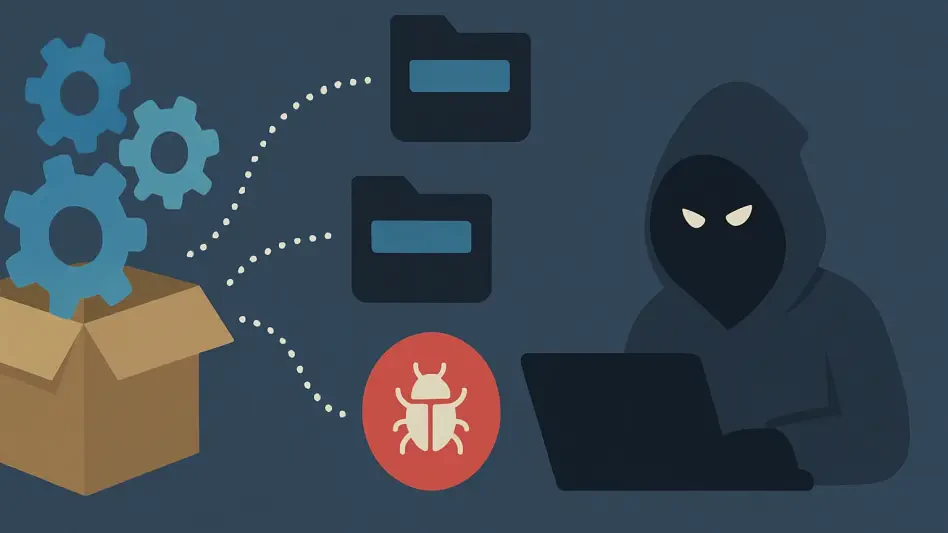

The simple act of clicking an update button has transformed into a high-stakes gamble where every line of code arriving from a public repository could potentially harbor a digital explosive designed to dismantle entire enterprise ecosystems. In the current cybersecurity climate, what used to be a routine maintenance task is now a significant risk, with industry estimates suggesting that developers face a roughly one-in-ten chance of triggering an active attack when they pull from unverified third-party sources. While traditional threat actors typically lurk in the shadows to siphon funds or steal intellectual property, a disruptive group known as TeamPCP has spent the last several months executing a “chaos crusade” that prioritizes systemic destruction over financial gain. By poisoning more than 1,000 software packages in a remarkably short timeframe, this group has effectively weaponized the very speed and automation that the modern tech economy relies on to maintain its competitive edge.
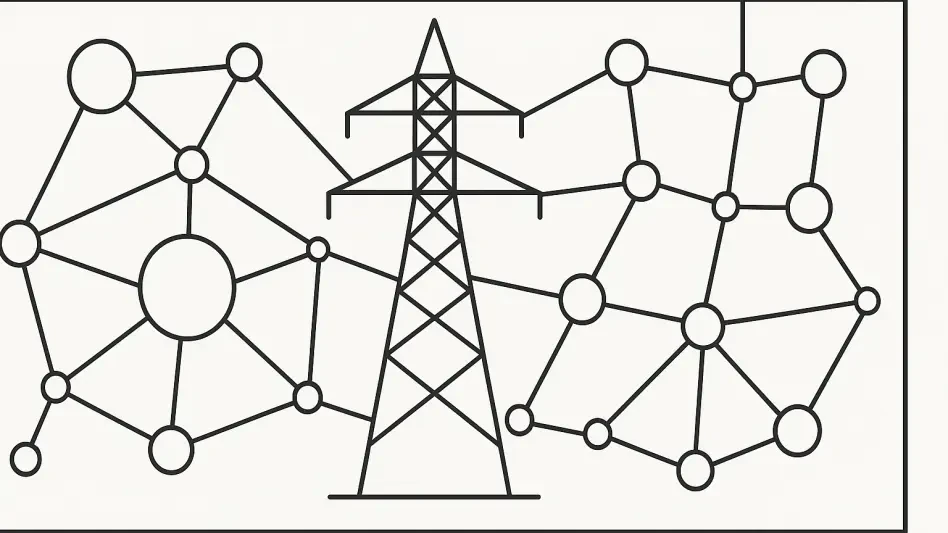
The importance of this shift cannot be overstated, as it represents a fundamental break in the trust model that governs global software distribution. For years, the industry operated under the assumption that open-source contributors and package maintainers were inherently aligned with the goal of ecosystem health. TeamPCP has demonstrated that this assumption is a critical vulnerability. By targeting foundational tools and high-profile enterprise environments, they have forced a reckoning with the reality that the global software supply chain is only as strong as its weakest dependency. This narrative is not just about a single group of attackers; it is about the structural failures of a digital infrastructure that has prioritized rapid deployment over rigorous verification, leaving the gates wide open for those who seek notoriety through digital pandemonium.
The High Cost of the One-Click Update
The modern development environment is defined by an insatiable need for speed, but this velocity has come at a staggering price for organizational security. In the past, software updates were vetted through slow, manual processes that provided a natural buffer against malicious injections. However, the move toward automated dependency management has turned a defensive best practice—keeping software current—into a primary attack vector. TeamPCP has exploited this reality with surgical precision, launching a campaign that is as prolific as it is destructive. Unlike ransomware syndicates that focus on the encryption of data for a payout, the “chaos crusade” of TeamPCP is designed to highlight the systemic incompetence of organizations in verifying the code they ingest.
This shift in strategy represents a new era of cyber threat where the goal is not necessarily profit, but rather the erosion of trust. By flooding repositories with poisoned code, TeamPCP ensures that the cost of an update is no longer just the time spent on implementation, but the potential collapse of an entire security architecture. The group’s activities have reached a scale that feels industrial, targeting everything from minor utility libraries to major AI frameworks. This volume-based approach creates a psychological toll on security teams, who must now treat every notification of a new package version as a potential breach. The sheer audacity of poisoning 1,000 packages in less than four months reveals a level of commitment to disruption that the tech community has rarely encountered.
Furthermore, the economic impact of these attacks extends far beyond the immediate remediation costs. When a core dependency is compromised, the ripple effect moves through thousands of downstream applications, often infecting systems that the original developer never intended to reach. This interconnectedness means that a single successful injection can grant an attacker access to diverse sectors, including finance, healthcare, and critical infrastructure. TeamPCP’s methodology relies on this multiplier effect, ensuring that their work has the maximum possible reach with a minimum of manual effort. The group has essentially created a blueprint for how a small, motivated cell can hold the global software economy hostage by simply exploiting the industry’s demand for constant, automated updates.
The Fragile Foundation of Modern Open-Source Dependency
The global software infrastructure is currently resting on a foundation of “blind faith,” where developers ingest thousands of third-party code packages from public registries under the assumption that they are safe by default. This reliance on open-source “public goods” has created a massive, unverified attack surface that connects foundational frameworks to high-profile enterprise environments. As organizations have rushed to adopt Continuous Integration and Continuous Deployment (CI/CD) pipelines to stay competitive, they have inadvertently stripped away the manual oversight necessary to catch malicious injections before they reach production. This lack of scrutiny is not merely a technical oversight; it is a cultural norm that has prioritized convenience over the safety of the digital supply chain.
Public registries like NPM and PyPI are the lifeblood of modern coding, yet they lack the rigorous vetting processes found in more closed ecosystems. This openness is a double-edged sword that TeamPCP has learned to wield with devastating effect. By uploading malicious versions of popular libraries or using “typosquatting” to trick developers into downloading the wrong package, they bypass traditional perimeter defenses entirely. Once a poisoned package is integrated into a project, it acts as a Trojan horse, sitting deep within the codebase and waiting for the moment to execute its payload. The complexity of modern software, which often involves “dependencies upon dependencies,” makes it nearly impossible for a human developer to audit every line of code that enters their environment.
Moreover, the erosion of manual oversight has been accelerated by the widespread adoption of automated tools that prioritize “uptime” and “delivery” over “security.” In many modern development shops, the deployment process is so streamlined that code moves from a public repository to a production server in minutes. While this efficiency is a boon for business agility, it provides no window for the detection of sophisticated malware. TeamPCP has effectively mapped these automated workflows, identifying the exact moments when human intervention is absent. This systemic vulnerability is a direct result of an industry-wide decision to treat third-party code as a trusted commodity rather than a potential threat, a decision that is now being questioned as the “blind faith” model begins to crumble under the weight of active exploitation.
Orchestrating Industrial-Scale Sabotage Through CI/CD and AI
TeamPCP’s campaign has succeeded primarily by turning the industry’s defensive instincts—such as the mandate to always use the latest software version—into a primary liability. Their methodology centers on infiltrating CI runners, the automated engines of development, to ensure that malware is distributed as soon as a repository is updated. By compromising the tools that developers use to build their software, TeamPCP ensures that their malicious code is woven into the very fabric of the application before it is even compiled. This approach is particularly effective because it targets the “source of truth” in the development lifecycle, making the resulting malware much harder to detect through traditional endpoint scanning or network monitoring.
The scale of this sabotage is further amplified by the rise of AI-driven development agents; these tools often manage dependencies without a “human in the loop,” allowing poisoned code to spread across platforms like GitHub, Microsoft Azure, and AWS with unprecedented velocity. As AI agents are given more autonomy to “fix” bugs or “optimize” libraries, they inadvertently become the most efficient distributors of malware ever created. An AI agent, programmed to ensure a project is using the most efficient and up-to-date packages, will naturally pull a poisoned update from a compromised registry if that update appears to meet its criteria. This creates a feedback loop where automated tools are essentially attacking the systems they were designed to maintain, a paradox that TeamPCP has exploited to achieve industrial-scale impact.
In a move that further solidified their reputation as “chaos crusaders,” the group released the source code for self-replicating malware like “Mini Shai-Hulud.” This tool was specifically designed to infect hundreds of packages across multiple registries, acting as a force multiplier for the group’s initial efforts. By making this malware publicly available to other criminals, TeamPCP has invited a broader community of actors to join the fray, effectively crowdsourcing the destruction of the software trust model. The results have been catastrophic, with high-profile tools like Checkmarx, Bitwarden, and MistralAI being targeted in a relentless barrage of injections. This strategy demonstrates that TeamPCP is not just interested in their own success; they want to lower the barrier to entry for supply-chain attacks globally.
From Profit to Pandemonium: Expert Analysis of the TeamPCP Persona
Research from Palo Alto Networks and Google indicates that TeamPCP is likely a small cell based in South Africa, led by an individual known as “ResoluteXBF,” rather than a traditional state-sponsored syndicate. This distinction is critical because it highlights a shift in the threat landscape where individual actors can cause damage on par with national intelligence agencies. Unlike ransomware groups that negotiate for payouts and often provide decryption tools upon payment, TeamPCP’s motivations appear rooted in “street cred” and the pursuit of notoriety within the underground community. Their goal is to be seen as the ultimate disruptors, the ones who could bring the modern development pipeline to a screeching halt.
Expert analysis suggests that the group’s focus on volume over stealth is a deliberate choice designed to highlight the fundamental incompetence of organizations in verifying the code they ingest. While most attackers try to stay hidden for as long as possible to maximize data exfiltration, TeamPCP often announces their presence through loud, destructive actions. This shift toward notoriety-driven attacks makes their behavior more unpredictable, as the goal is to cause maximum disruption rather than maximize a return on investment. The group’s public feuds with other hacker crews and their willingness to sell thousands of private repositories on the dark web for relatively low prices suggest that they value chaos more than a sustainable criminal business model.
This persona of the “chaos crusader” presents a unique challenge for law enforcement and cybersecurity researchers. Traditional defense strategies often rely on understanding the financial incentives of an attacker to predict their next move. However, when an actor is motivated by ego and the desire for “pandemonium,” those models fail. The group has shown an ability to collaborate with established crews like Lapsus$ or ShinyHunters, yet these alliances are often short-lived and marked by erratic behavior. This volatility, combined with their focus on everything from security tools like Bitwarden to AI frameworks like PyTorch Lightning, suggests that TeamPCP is looking for the “biggest stage” rather than the “biggest vault.” This makes them a wild card in an already complex threat landscape.
Hardening the Pipeline: Practical Defenses Against Supply-Chain Erosion
To survive the era of the chaos crusader, organizations must move beyond passive trust and implement a framework of active verification. The findings from the TeamPCP campaign indicated that a primary strategy for defense involved the rigorous rotation and revocation of secrets. Many victims suffered recurring infections because they failed to properly secure publishing credentials or API keys after an initial breach was detected. It was observed that when keys for Kubernetes environments or cloud platforms like AWS and Microsoft Azure were left active, attackers could simply walk back into the network days after the initial cleanup. The necessity of a “zero-trust” approach to internal credentials became a cornerstone of modern pipeline defense.
Beyond credential management, development teams recognized the need to reintroduce human oversight into automated workflows. The crisis proved that AI agents and CI/CD pipelines could not be left to act as unchecked conduits for third-party malware. Security teams began implementing “dependency pinning,” a practice where a project is locked to a specific, verified version of a library rather than automatically pulling the “latest” version. This shift required a fundamental change in the developer mindset, moving away from the convenience of auto-updates toward a culture of manual audit and reputation monitoring. It was determined that the time spent verifying a package was far less than the time spent remediating a systemic compromise.
The conclusion of the TeamPCP saga left the industry with a series of actionable lessons that reshaped the digital economy. Organizations observed that monitoring the reputation of package maintainers and participating in cross-industry threat sharing were no longer optional activities but essential survival traits. The focus shifted toward building resilient systems that could detect anomalous behavior within the CI runner itself, effectively catching poisoned code during the build process. Ultimately, the industry learned that while speed remains a competitive advantage, it must be balanced with the vigilance required to protect the integrity of the software supply chain. The era of blind faith was officially over, replaced by a more sober and proactive approach to digital trust.