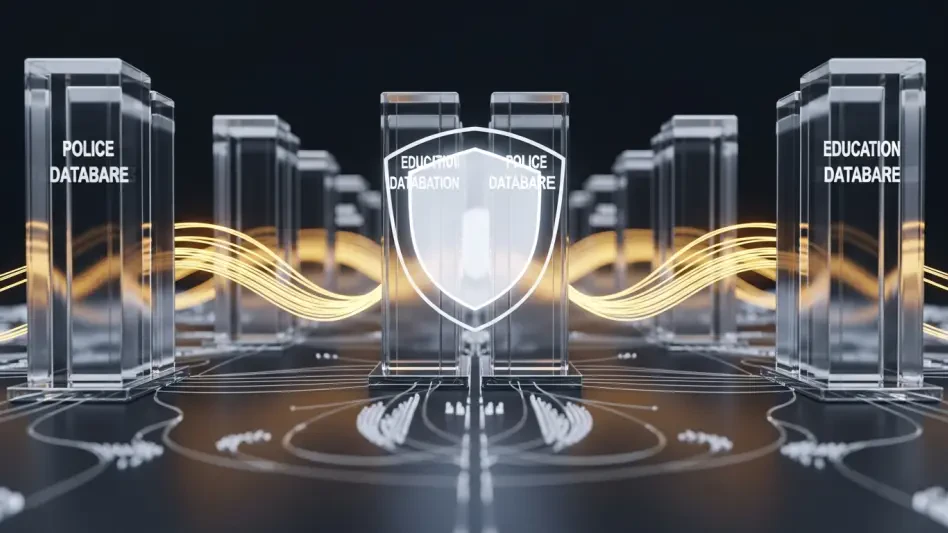
The unauthorized release of sensitive data belonging to approximately 742,000 individuals across the United Kingdom’s law enforcement and educational sectors has sent shockwaves through the nation’s digital infrastructure. This massive exposure, attributed to the threat group known as ExfilSquad, highlights a critical failure in the protection of personally identifiable information within institutions that are traditionally viewed as secure bastions of public trust. When private details regarding police personnel and student databases are leaked, the consequences extend far beyond simple privacy concerns, impacting national security protocols and the personal safety of those involved in sensitive legal roles. The breach reportedly contains documentation ranging from internal disciplinary records to enrollment details, illustrating the breadth of information that remains vulnerable to sophisticated actors. As authorities scramble to contain the fallout, the incident serves as a reminder that legacy systems and modern data handling processes frequently clash, creating targets for digital exploitation.
Analysis of the Data Infiltration and Threat Actors
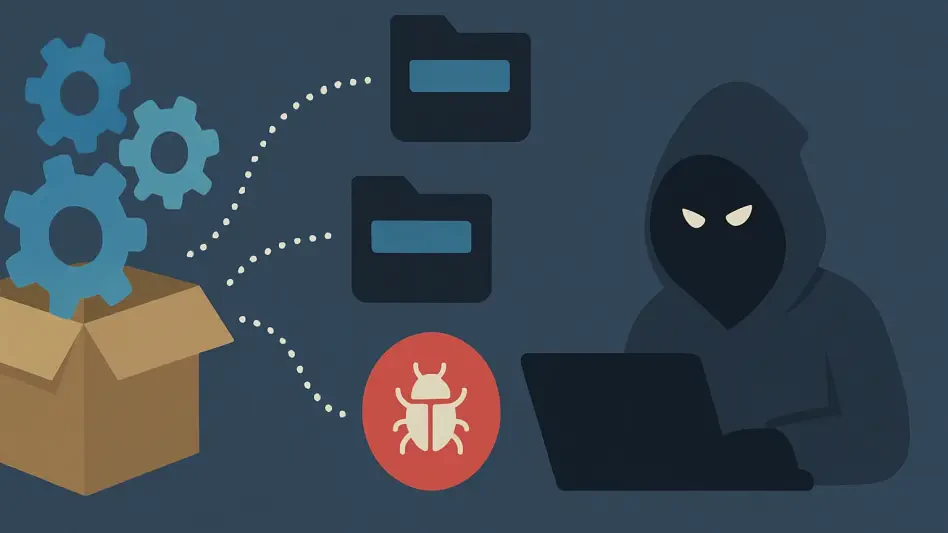
ExfilSquad has surfaced as a formidable entity in the underground market, leveraging advanced techniques to bypass standard encryption and firewall protections that many public organizations still rely upon. Reports indicate that the stolen records comprise more than just names and addresses; they include sensitive internal communications, payroll data, and potentially identifying information about undercover officers or vulnerable students. The group’s ability to exfiltrate such a vast quantity of data suggests that they likely exploited a recurring vulnerability, such as an unpatched software flaw or a misconfigured cloud storage bucket, rather than relying on simple phishing tactics. This level of access grants bad actors a permanent foothold in the digital lives of the victims, as much of the leaked data, like social security numbers or career histories, cannot be easily changed or secured once it has been distributed. The systematic nature of this attack points to a coordinated effort to destabilize institutional confidence while harvesting valuable assets for secondary crimes.
Targeting the police and education sectors is a strategic choice for cybercriminals because these organizations manage vast repositories of data that are often interconnected across multiple government agencies. For the police, the breach poses an immediate risk to the integrity of ongoing investigations and the anonymity of sensitive operatives who rely on the confidentiality of their records to function safely. In the education sector, the exposure of minor students’ information creates long-term risks for identity theft and social engineering, as these individuals may not monitor their credit or digital footprints for several years. This incident underscores a growing trend where public entities are viewed as “soft targets” due to budget constraints that often lead to delayed security audits and the retention of outdated hardware. The psychological impact on the public is equally significant, as the perception of a government’s inability to protect its own law enforcement data erodes the fundamental trust required for effective civic engagement and safety.
Strategic Defenses and Future Security Protocols
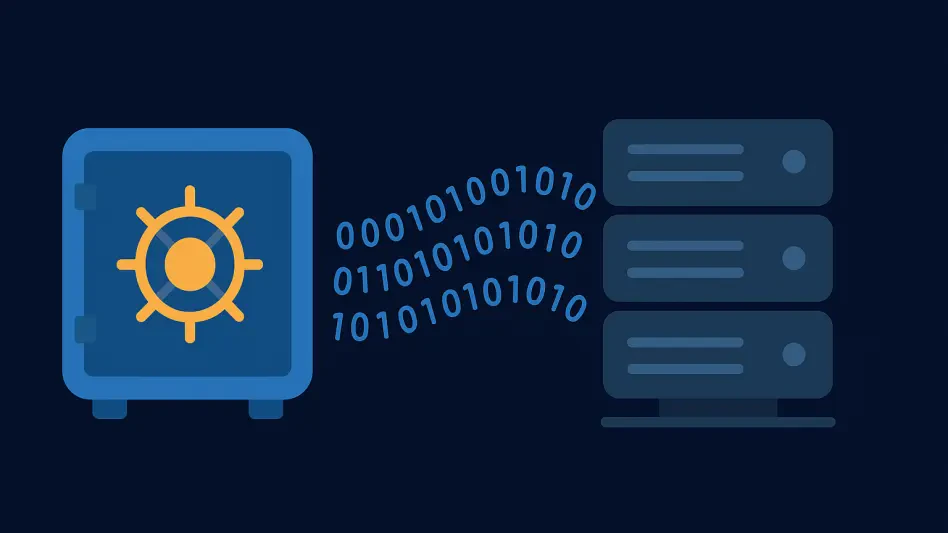
To mitigate the risks associated with such large-scale data exfiltration, institutions must transition toward a comprehensive Zero Trust Architecture that assumes every access request is a potential threat. This methodology requires rigorous identity verification for every user and device, regardless of whether they are operating within the local network or remotely. Furthermore, the implementation of automated threat detection systems powered by artificial intelligence can help identify anomalous data movement in real time, potentially stopping a breach before hundreds of thousands of records are successfully moved off-site. For the UK police and educational bodies, this also means prioritizing API security, as many modern breaches occur through insecure connections between different software platforms. By encrypting data at rest and in transit with advanced cryptographic standards, organizations can ensure that even if information is intercepted, it remains unreadable and useless to the attackers. Strengthening these technical barriers is no longer optional but a fundamental requirement for operational continuity in the current digital era.
Addressing the vulnerabilities exposed by ExfilSquad necessitated a shift in how public sectors approached cybersecurity governance and personnel training. A primary focus was placed on establishing a culture of continuous monitoring and proactive hunting for system weaknesses rather than waiting for an incident to trigger a response. Organizations began to conduct regular penetration testing and red-teaming exercises to simulate the tactics used by groups like ExfilSquad, thereby identifying entry points before they could be exploited. Legislative frameworks were updated to mandate stricter data minimization, ensuring only essential information was stored. Investing in robust incident response plans allowed affected departments to begin the recovery process, but the long-term solution remained in a unified national strategy for data protection. By fostering collaboration between the private tech sector and public institutions, the UK developed a more resilient infrastructure that prioritized the privacy and safety of every citizen against digital threats.