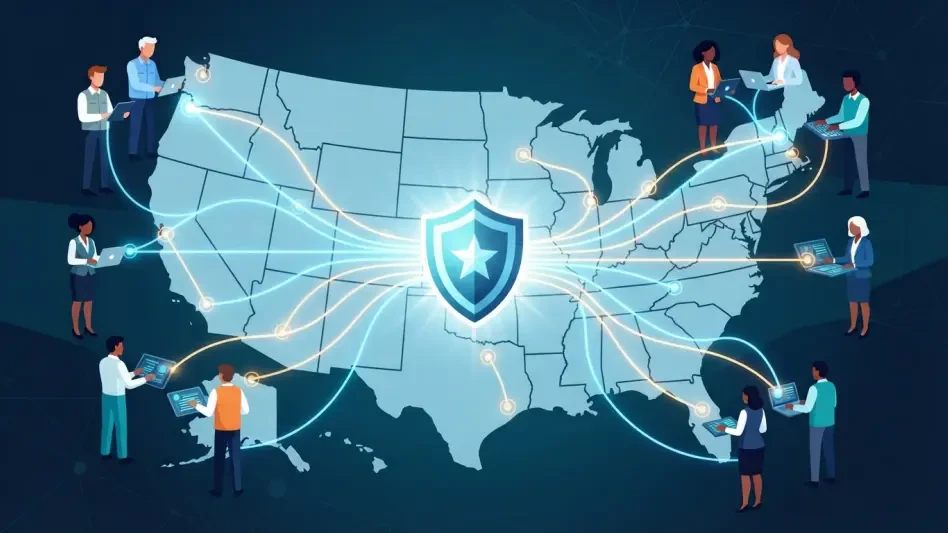

Strengthening domestic production through the codification of the onshoring portal aims to insulate the American economy from the volatility of foreign manufacturing dependencies. This primary objective underpins a new wave of legislative action as the House Small Business Committee moves to address the precarious position of modern American manufacturers. Currently, small firms are caught between escalating digital threats and the instability of international logistics, making domestic resilience a matter of national security. The successful passage of the Cybersecurity for Small Businesses Act alongside the Reshoring American Manufacturing Act marks a definitive bipartisan effort to provide “Main Street” with the high-tech resources typically reserved for industrial giants. These measures seek to modernize the federal support structure, ensuring that independent businesses can compete in a global economy that increasingly demands both cyber sophistication and localized production capabilities. This shift in policy signals a long-term commitment to economic sovereignty.
Enhancing Digital Defense Mechanisms
Securing the Digital Frontier
Small businesses frequently operate as the primary engine of the national economy, yet they often lack the specialized resources required to defend against high-level digital incursions. The Cybersecurity for Small Businesses Act, or H.R.10238, directly addresses this resource disparity by mandating a formalized partnership between the Small Business Administration and the Cybersecurity and Infrastructure Security Agency. This collaboration is designed to disseminate actionable best practices that translate complex technical jargon into practical steps for non-technical business owners. By creating a unified front against cybercrime, the federal government aims to reduce the vulnerability of “Main Street” shops that might otherwise be overlooked in national security strategies. This initiative ensures that even the smallest family-owned enterprises have access to the same caliber of threat intelligence and mitigation strategies typically reserved for large corporations, thereby stabilizing the overall economic landscape and preventing costly data breaches that can lead to permanent business closures.
Navigating Federal Compliance Standards
Beyond general protection, the legislation places a heavy emphasis on the integration of small firms into the federal contracting ecosystem through the Department of Defense’s Cybersecurity Maturity Model Certification Program. Navigating the CMMC requirements has historically been a significant barrier to entry for small manufacturers, often leading to confusion and the misallocation of limited capital on redundant security software. To combat this, the bill directs the Small Business Administration to provide explicit guidance, helping business owners avoid the bureaucratic pitfalls of unclear federal mandates. Support from lead sponsors like Representative Tony Wied and Ranking Member Nydia Velázquez highlights the bipartisan consensus that a secure supply chain is only as strong as its smallest link. By clarifying these regulatory pathways, the government ensures that small businesses can compete for lucrative federal contracts without fear of technical disqualification, effectively protecting the integrity of sensitive government data while fostering a more diverse and competitive vendor pool.
Rebuilding the Domestic Industrial Base
Centralizing the Manufacturing Network
The Reshoring American Manufacturing Act, designated as H.R.9718, marks a significant step toward reclaiming industrial capacity by codifying the “Make Onshoring Great Again” portal. This centralized digital hub is managed by the Small Business Administration’s Office of Manufacturing and Trade, serving as a vital resource for enterprises looking to relocate their production lines back to American soil. By providing a comprehensive directory of over one million domestic suppliers, the portal simplifies the logistical challenges associated with transitioning away from overseas vendors. This legislative action ensures the portal’s operation remains a priority for the next four years, spanning from 2026 to 2030, which provides businesses with the long-term stability needed to make major capital investments in local facilities. The initiative reflects a broader strategy to decrease national vulnerability to geopolitical shifts and transport disruptions, effectively empowering small manufacturers to take advantage of localized supply chains that offer faster turnaround times and reduced shipping costs.
Accountability in Domestic Growth
Currently hosting an extensive database of domestic partners, the onshoring portal acts as a bridge between small-scale production needs and domestic manufacturing capabilities. The goal is to create a self-sustaining ecosystem where American firms prioritize local partnerships, thereby keeping capital within the national economy and supporting local employment. However, this legislation is not merely about providing a directory; it includes rigorous accountability measures to ensure the program delivers on its promises. The Small Business Administration is now required to provide detailed reports to Congress regarding the portal’s actual effectiveness in facilitating domestic growth and its impact on manufacturing metrics. This data-driven approach allows lawmakers to adjust the program in real-time, ensuring that federal support remains aligned with the evolving needs of the industrial sector. By fostering a transparent and efficient marketplace, the act encourages a resurgence of domestic craft and precision engineering, positioning the United States to lead in high-tech production.
Implementing Strategic Onshoring Solutions
The successful advancement of these legislative measures reflected a broader trend within the House Small Business Committee to tackle the logistical and technological hurdles of the modern era. Earlier initiatives had already targeted the integration of artificial intelligence and advanced cybersecurity assistance, establishing a precedent for streamlined federal support. Moving forward, business owners should proactively engage with these newly codified resources to audit their existing digital protocols and supply chain vulnerabilities. As these bills transitioned to the Senate, the focus shifted toward the practical implementation of the proposed digital hubs and certification guidelines. Stakeholders must now prepare for a more regulated yet supportive environment where compliance with high security standards becomes a competitive advantage rather than a burden. Ensuring that small enterprises remain resilient in a globalized economy requires constant vigilance and the willingness to adopt these centralized tools. The evolution of domestic manufacturing and digital defense will depend on how effectively these firms utilize the federal framework to innovate.