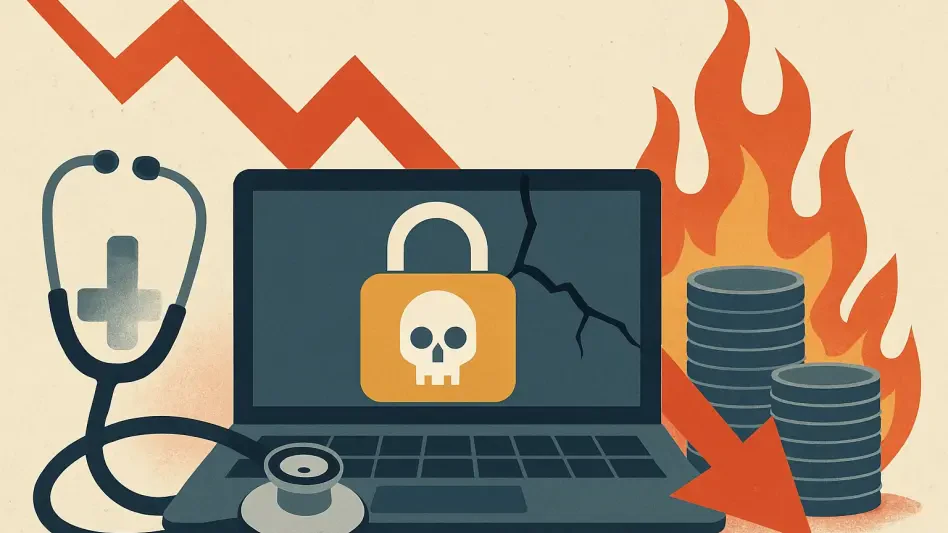
The global healthcare sector in the first quarter of 2026 is currently navigating a startling cybersecurity paradox where the traditional metrics of threat frequency no longer align with the escalating financial and operational devastation observed on the ground. While the total number of ransomware attacks has experienced a modest decline, the financial and operational consequences of these breaches have reached unprecedented levels as criminal syndicates transition away from volume-based strategies toward high-stakes extortion. This strategic evolution marks a significant pivot from high-frequency, low-impact disruptions to a “big game hunting” philosophy that targets the very heart of medical infrastructure and vast patient data repositories. By focusing on critical providers and the specialized businesses that support them, hackers are maximizing their leverage, ensuring that even a single successful breach carries the potential for catastrophic loss and long-term systemic damage to the healthcare ecosystem. The industry is seeing fewer alerts on the dashboard, yet the severity of each successful breach now carries the potential for catastrophic financial loss.
Analyzing the Quantitative Shift in Attack Patterns
Recent data from the first quarter reveals a fourteen percent decrease in attack volume compared to the previous reporting period, with one hundred twenty recorded incidents across the globe. However, these figures are heavily obscured by a significant “confirmation gap” that complicates the industry’s ability to assess the true scope of the danger. Only a small fraction of these attacks were publicly acknowledged by the victimized institutions, while the vast majority remained unconfirmed claims made by ransomware gangs on the dark web. This lack of transparency suggests that the actual threat landscape is far more volatile than public records might indicate, as many organizations prefer to handle these crises behind closed doors to avoid reputational damage. Furthermore, the discrepancy between reported and actual incidents highlights a persistent difficulty in tracking the evolution of attack vectors, leaving many security professionals to rely on incomplete datasets when constructing their defense strategies.
Despite the visible dip in frequency, the financial demands issued by these criminal organizations have skyrocketed to levels once thought impossible in the professional medical space. The average ransom demand surged to a staggering sixteen point nine million dollars, a massive leap from the six-figure averages seen just several months prior during the preceding fiscal year. While median demands remain significantly lower, suggesting that smaller clinics are still being targeted for more modest sums, the overall average is being driven upward by audacious attempts to extort tens of millions of dollars from major metropolitan hospital systems. A prime example of this trend was the record-breaking one hundred million dollar demand issued against a prominent Japanese hospital, illustrating a shift in intent. These groups are now operating with a calculated understanding that the life-saving nature of medical services provides them with the ultimate leverage to demand exorbitant sums from desperate administrative boards.
The Strategic Pivot Toward Healthcare Businesses
A significant trend emerging in the current year is the purposeful diversification of targets beyond traditional hospitals and clinics into the broader supply chain. Cybercriminals are increasingly focusing their resources on “healthcare businesses,” which are entities that manage sensitive medical data or provide essential infrastructure without delivering direct patient care to individuals. These organizations often hold massive repositories of high-value information, including proprietary pharmaceutical research and extensive insurance records, yet they may lack the hardened cybersecurity defenses found in major metropolitan hospital systems that have invested heavily in defense-in-depth strategies. This shift suggests that hackers have identified a structural weakness in the healthcare ecosystem, where the interconnectedness of providers and vendors creates a target-rich environment. By attacking these mid-stream service providers, syndicates can potentially disrupt dozens of clinics simultaneously through a single entry point.
The statistics regarding data exfiltration highlight the remarkable effectiveness of this new strategy for maximizing criminal profits through intellectual property theft. Although healthcare businesses faced fewer total attacks than direct providers, the volume of data stolen from them was more than double the amount exfiltrated from frontline clinical institutions. By exfiltrating twenty-nine terabytes of data from these specialized firms, compared to thirteen terabytes from providers, hackers have found a more efficient way to acquire sensitive information on a massive scale. This focus on data volume allows ransomware groups to increase their extortion leverage during negotiations by threatening the public release of comprehensive datasets that could lead to massive regulatory fines and legal liabilities for the victims. The high volume of stolen records proves that hackers now view these secondary companies as the most efficient way to secure high-value assets, effectively bypassing the more robust perimeters of well-funded hospital networks.
Profiles of Modern Cybercriminal Organizations
The ransomware ecosystem has become highly specialized, with different groups focusing on specific niches within the medical industry to maximize their success rates. The group known as Qilin has emerged as the most aggressive threat to direct care providers, demonstrating a business model that is currently optimized for targeting hospital facilities and psychiatric centers. Other organizations, such as INC and NightSpire, have carved out a dominant position by targeting pharmaceutical companies and data management firms, where the value of stolen intellectual property often exceeds the cost of temporary operational downtime. These groups demonstrate a sophisticated understanding of the healthcare supply chain, choosing targets that offer the highest potential for both financial gain and disruptive leverage. This level of specialization indicates a maturing criminal market where groups are no longer random opportunists but are instead disciplined entities with dedicated research departments focused on identifying the most vulnerable links in the chain.
This criminal activity is truly global in its reach, with significant incidents reported across the United States, Europe, and Asia within the first few months of the year. From pharmaceutical giants in India facing massive data breaches to specialized dental clinics in the United States, no organization is considered too small or too remote to be excluded from these campaigns. The geographic spread of these attacks proves that cybercriminal syndicates are operating with a borderless mindset, seeking out vulnerabilities wherever sensitive patient records and valuable intellectual property are stored. In Germany, for instance, the healthcare sector faced significant pressure from groups like Qilin, while Indian firms dealt with large-scale exfiltrations by groups like DragonForce. These case studies illustrate that the threat is not confined to any single legal jurisdiction, requiring a coordinated international response. The human impact remains severe as these breaches expose private medical histories of hundreds of thousands of people, leading to long-term privacy concerns.
Strategic Recommendations for Future Resilience
The synthesis of recent data suggests that addressing third-party risk is now the most critical frontier for maintaining cybersecurity in the healthcare sector. Because many organizations choose to keep breaches confidential, the industry lacks a comprehensive picture of the evolving tactics being deployed by modern threat actors. This lack of transparency hinders collective defense efforts, leaving many providers unaware of the specific vulnerabilities being exploited by active ransomware strains until they are already compromised. To combat this, institutions must look beyond their internal perimeters and conduct rigorous, continuous audits of every vendor and business partner that handles patient information or provides critical services. Implementing zero-trust architectures and enforcing strict data-sharing protocols with third parties are no longer optional strategies but essential requirements for survival. A holistic approach that integrates supply chain security with internal defense will be the only way to mitigate the impact of these sophisticated syndicates.
The trends observed during the initial months of 2026 proved that a simple decline in attack volume was a deceptive metric that masked a more predatory and financially aggressive environment. As ransomware groups refined their ability to shut down critical operations and steal massive datasets, the pressure on healthcare leaders to secure their entire supply chain reached a critical breaking point. Successful organizations responded by moving away from reactive security measures in favor of proactive, intelligence-driven defense strategies that prioritized data integrity and vendor accountability. These institutions recognized that the cost of inaction far outweighed the investment required to harden their systems against high-stakes extortion. Looking ahead, the focus shifted toward establishing global standards for breach transparency and cross-border cooperation to dismantle the infrastructure of these criminal groups. The lessons learned during this period underscored the necessity of viewing cybersecurity not as an IT hurdle, but as a fundamental component of patient safety and operational continuity.