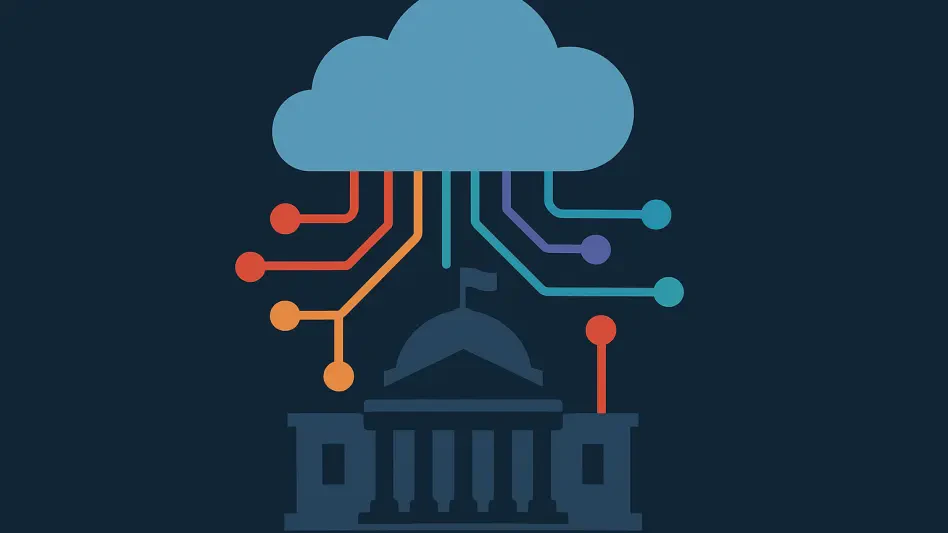
The landscape of digital security has shifted from isolated corporate defense to a coordinated global infrastructure mandate that recognizes the inextricable links between private vendors and national stability. As the current year unfolds, the concept of a third-party risk management program has been completely transformed by a series of aggressive regulatory frameworks that leave no room for administrative passivity. Organizations are no longer evaluated solely on their internal security postures but are now legally and operationally responsible for the systemic vulnerabilities present within their extended supply chains. This evolution reflects a world where digital interdependency is the norm, and a single failure in a minor software component can trigger a cascading crisis across multiple continents. Consequently, the board of directors and C-suite executives have been forced to treat cyber resilience as a fundamental fiduciary duty rather than a niche technical concern managed by the IT department. The shift toward technical mandates over general guidance marks the end of the “check-the-box” compliance era, replacing it with a rigorous, evidence-based oversight model that demands real-time visibility into the security practices of every external partner. By centralizing these requirements, governments aim to create a cohesive shield against adversaries who have learned to exploit the weakest links in the global economic fabric.
Geopolitics and Cyberspace: The Modern Threat Matrix
Modern cybersecurity risk is now deeply connected to international conflict, with digital warfare often following physical tensions almost immediately across various global theaters. Dozens of sophisticated threat actors are currently targeting both public and private sectors, using highly specialized, destructive tools to cause massive operational shutdowns that ripple through the economy. Recent incidents, such as the remote wiping of hundreds of thousands of medical devices, show that attackers are no longer just looking for sensitive data but are aiming to paralyze critical infrastructure as a direct form of retaliation or coercion. This aggressive posture has forced organizations to view their vendors not just as service providers, but as potential entry points for state-sponsored aggression. The complexity of these attacks requires a level of forensic readiness that most companies previously lacked, leading to a massive surge in demand for managed detection and response services that specialize in supply chain anomalies. As these geopolitical tensions persist, the line between corporate security and national defense continues to blur, making the integrity of the digital supply chain a primary concern for high-level government officials.
The vulnerability of the public internet has also reached a critical stage, particularly regarding the industrial control systems that manage energy distribution and transportation networks. Millions of connection points for these vital systems are now exposed to the open web, providing a massive, target-rich environment for adversaries who exploit known vulnerabilities with unprecedented speed. This expanded attack surface makes it nearly impossible for any single organization to stay secure without having deep, real-time visibility into every third-party integration they maintain. The integration of artificial intelligence by threat actors has further complicated this issue, as automated scripts can now scan for and exploit vendor weaknesses in a fraction of the time it took only a year ago. To counter this, many firms are turning to external attack surface management tools that provide a continuous view of their digital footprint and the footprints of their most critical partners. Without these advanced monitoring capabilities, organizations remain blind to the “shadow” connections created by subcontractors and cloud-based microservices that often operate outside the direct control of the central IT office.
Lessons from Failure: Analyzing Recent Supply Chain Collapses
The current wave of strict regulations is a direct response to several high-profile supply chain collapses that occurred throughout 2025 and into the early months of this year. Major manufacturing companies saw their production lines stop for weeks due to flaws in common business software, while others found their cloud defenses bypassed through compromised third-party access tokens. These events have proven that a company’s security is only as strong as the weakest vendor in its network, regardless of how much capital is invested in internal firewalls and encryption. The financial losses associated with these breaches have reached billions of dollars, prompting insurance providers to drastically increase premiums for companies that cannot demonstrate a rigorous vetting process for their service providers. Regulators have used these failures as case studies to illustrate why self-attestation is no longer a viable method for managing risk. Instead, there is a clear movement toward requiring physical evidence of security controls and regular penetration testing of third-party interfaces to ensure that a breach at a vendor does not lead to a total system failure for the client.
Threats have also moved “upstream,” with state-sponsored actors compromising the very foundations of modern software development, such as widely used open-source libraries and common development frameworks. From airport processing systems to massive corporate databases, these incidents highlighted a desperate need for better vetting of subcontractors and individual software maintainers. These real-world crises provided the necessary evidence for regulators to move toward an aggressive enforcement model that focuses on the health of the entire digital ecosystem rather than individual entities. This approach has led to the widespread adoption of Software Bill of Materials, or SBOMs, which allow organizations to see exactly what components are used in the applications they purchase. By identifying vulnerable sub-components before they are integrated into a corporate network, firms can mitigate risk at the source. This granular level of transparency has become a standard requirement in procurement contracts, as the industry recognizes that hidden vulnerabilities in “black box” software pose an unacceptable risk to operational continuity and public safety in an increasingly connected world.
The Regulatory Landscape: Enforcing Compliance in the United States
In the United States, financial regulators have moved to synchronize their rules, placing a heavy emphasis on rapid incident reporting and the management of artificial intelligence. Smaller firms are now facing critical deadlines to meet strict notification requirements, which often give them only 72 hours to report a vendor-related breach to the relevant authorities. The focus has shifted toward how firms use threat intelligence to stay ahead of polymorphic malware and other automated threats that can jump from a service provider to a client with minimal delay. This rapid reporting mandate is designed to prevent the “silent” spread of malware across the financial sector, allowing regulators to issue alerts and protective measures before an entire industry is compromised. Furthermore, the Securities and Exchange Commission has intensified its scrutiny of how public companies disclose their third-party risks to investors. Organizations must now provide detailed accounts of how they manage their digital dependencies, making cyber risk management a core component of financial transparency and investor protection.
Beyond the financial sector, the Department of Justice is increasingly using the False Claims Act to target federal contractors who misrepresent their cybersecurity health during the bidding process. Organizations that fail to implement promised security controls or submit false safety scores to win government work are facing multi-million dollar penalties and potential debarment from future contracts. Meanwhile, the defense industry has entered a mandatory phase of third-party assessments, requiring every subcontractor, regardless of size, to undergo rigorous independent audits to remain part of the supply chain. This push for verification extends to the energy and healthcare sectors, where the government is attempting to protect the electric grid and patient records from foreign interference. State-level authorities in major financial hubs like New York have begun requiring senior corporate officers to be personally involved in managing third-party risks through signed certifications. This push for executive-level accountability ensures that cybersecurity is no longer viewed as just a technical problem for the IT department but as a primary responsibility for the board of directors and executive leadership.
Continental Supervision: Europe’s Shift Toward Operational Resilience
In Europe, the focus has shifted from passing new laws to actively supervising the most important players in the digital economy under a unified framework. The NIS2 Directive is now fully operational across eighteen critical sectors, requiring organizations to prove they have robust risk management systems that extend to their suppliers and service providers. Regulators are currently refining these rules to focus more on systemically important companies, ensuring that a failure in one major entity does not cause a domino effect across the entire continent’s economy. This proactive supervision includes regular stress tests where companies must demonstrate their ability to maintain operations even if a major cloud provider or telecommunications partner goes offline. The emphasis on “availability” and “integrity” marks a departure from earlier regulations that focused primarily on “confidentiality” and data privacy. By prioritizing the continued functioning of essential services, European authorities are building a more resilient society that can withstand the inevitable disruptions of the modern digital age.
The Digital Operational Resilience Act, or DORA, has brought about an even more significant change by placing tech giants under the direct watch of financial authorities across the European Union. For the first time, major cloud providers and software-as-a-service companies are treated as critical infrastructure, subject to on-site inspections and strict mapping of their complex supply chains. This allows European regulators to oversee the technology providers that the entire financial system depends on, rather than just putting the burden of compliance on the banks themselves. These tech giants must now disclose their own third-party dependencies, creating a chain of transparency that reaches back to hardware manufacturers and data center operators. This “regulation of the regulators” approach ensures that the systemic risks inherent in cloud concentration are managed at the source. It also provides a level playing field where small and medium-sized banks can rely on the fact that their major service providers are being held to the highest possible security standards by central authorities, reducing the individual burden of vendor due diligence.
The Future of Risk Management: Moving Toward Continuous Visibility
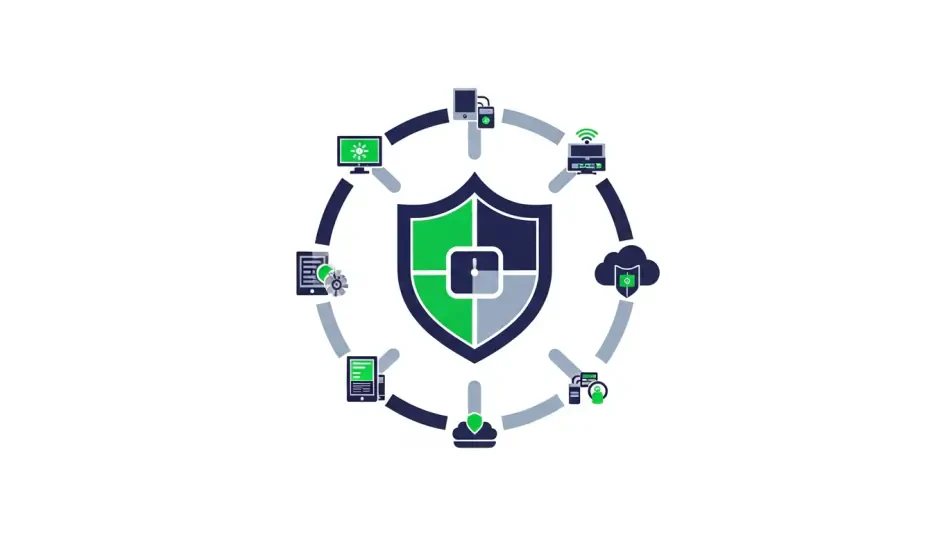
The global consensus for the current landscape is that organizations must move away from “point-in-time” assessments and toward a model of continuous monitoring. Passive surveys and annual questionnaires are being replaced by automated risk scoring and real-time data feeds that allow companies to spot a vendor’s vulnerability before it can be exploited by a malicious actor. This shift requires a deep integration of threat intelligence into every part of a company’s third-party risk management program to ensure that remediation is both fast and effective. Organizations that successfully adopted these technologies found themselves better equipped to handle the rapid-fire threats of the last year, as they were able to identify and patch vulnerabilities in their supply chain within hours rather than weeks. The use of digital twins to simulate the impact of a vendor outage has also become a popular strategy, allowing firms to build redundancies and “fail-safe” mechanisms into their digital architecture. This proactive approach to resilience has become a competitive advantage, as clients increasingly choose partners who can guarantee uptime despite the volatile threat environment.
Organizations successfully navigated this transition by moving toward proactive stances that prioritized the verification of security controls over mere administrative compliance. They implemented automated scanning tools that monitored vendor environments for changes in security posture, and they established clear communication channels for incident response that included their most critical third-party partners. This shift in strategy allowed firms to move beyond reactive firefighting and toward a sustainable model of digital stewardship. By integrating security requirements directly into the procurement process and maintaining constant dialogue with service providers, these companies turned a regulatory burden into a operational strength. Moving forward, the focus will likely remain on enhancing the granularity of these monitoring systems and expanding the scope of oversight to include the fourth and fifth parties that sit deeper within the global supply chain. This commitment to transparency and active management served as the foundation for a more stable and secure global economy, ensuring that the digital foundations of society remained resilient against the growing sophistication of international threats.