
A Significant Disruption in the Modern Dairy Supply Chain
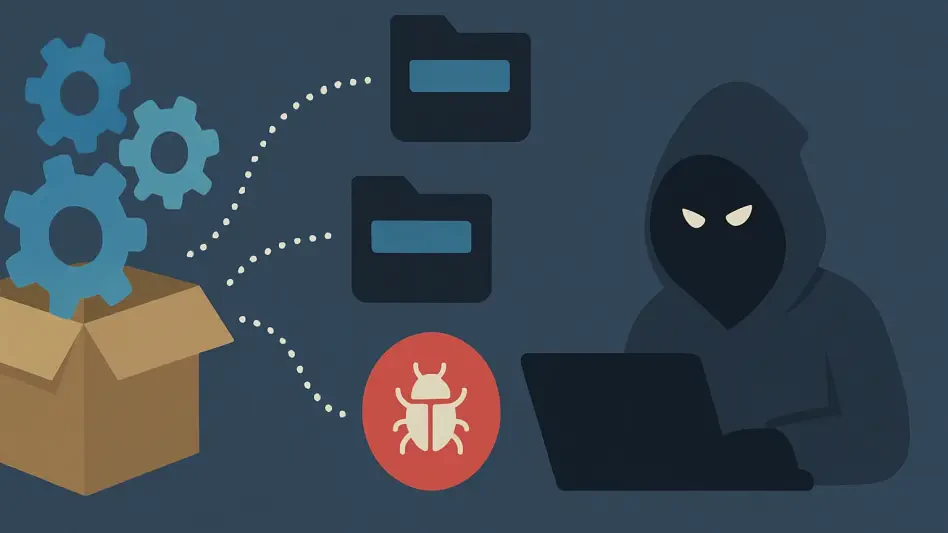
The digital transformation of the global beverage industry encountered a severe reality check in July 2026 when a major ransomware attack forced the immediate closure of all Fairlife production facilities across the United States. This breach, which was disclosed through a mandatory filing with the Securities and Exchange Commission, paralyzed domestic operations while investigators worked to map the extent of the unauthorized access. The incident served as a jarring reminder that cyber threats are no longer confined to data theft but can effectively sever the physical links of a national supply chain.
This event forced a total suspension of production, prompting Coca-Cola to take its high-tech dairy systems offline to prevent further lateral movement by the attackers. While the company worked toward a full recovery, the shutdown highlighted a growing vulnerability in just-in-time manufacturing models. This analysis explores the fallout from the disruption and how the integration of digital networks has created new vectors for industrial extortion in the essential goods sector.
The Strategic Growth and Evolution of the Fairlife Brand
To comprehend the weight of this production halt, one must consider Fairlife’s position as a premium driver within the Coca-Cola portfolio. Since the beverage giant assumed full control of the brand in 2020, Fairlife has evolved from a specialized startup into a billion-dollar retail powerhouse. Massive capital injections, including a $650 million expansion in Michigan and a sprawling new facility in New York, have cemented its role as a leader in the ultra-filtered milk and nutritional shake market.
These facilities represent the pinnacle of modern dairy processing, utilizing automated systems to maintain the brand’s signature high-protein, low-sugar profile. However, this same reliance on sophisticated automation made the brand an attractive target for digital extortion. The rapid scale of Fairlife’s infrastructure meant that any downtime would result in significant revenue loss, giving cybercriminals considerable leverage during a ransom negotiation.
Examining the Operational and Industry-Wide Implications of the Breach
Maintaining Product Safety Amidst Operational Chaos
One of the most pressing concerns during any industrial cyberattack is the potential for physical contamination, yet Coca-Cola managed to keep product integrity separate from the digital breach. The company confirmed that safety protocols remained intact, as the automated food safety sensors and filtration controls were isolated from the compromised business networks. This separation was vital for preserving consumer trust, ensuring that while the machines stood still, the milk already processed remained safe for consumption.
The Rise of Opportunistic Cybercrime in the Food Sector
The attack on Fairlife was a symptom of a much larger trend involving the systematic targeting of the food and agriculture industry. Data from the Food and Agriculture Information Sharing and Analysis Center indicated that the sector saw more than 200 incidents in the first half of 2026 alone. These attacks were often opportunistic, driven by automated scanning tools that searched for unpatched vulnerabilities in any connected network. This suggests that hackers are increasingly viewing the food supply as a soft target compared to the heavily fortified financial sector.
Addressing the Vulnerabilities of Integrated Industrial Systems
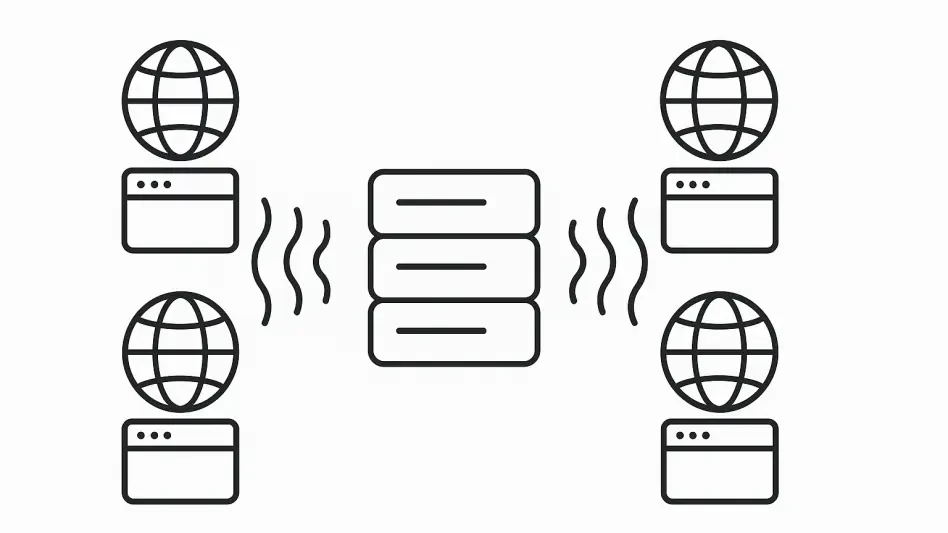
A significant takeaway from this disruption was the localized nature of the outage, as Canadian operations remained fully functional while U.S. sites went dark. This discrepancy pointed toward differences in network architecture and the effectiveness of regional segmentation. Many modern agricultural facilities rely on secondary industrial equipment, such as digital tank gauges or temperature controllers, which often lack the robust security layers found in primary enterprise servers, providing a “back door” for intruders to enter the broader network.
Future Trends in Agricultural Cybersecurity and Digital Defense
As the industry moves forward, the focus will shift from simple perimeter defense to more proactive, AI-driven threat detection. Regulatory pressures will likely increase, forcing food producers to adopt standardized reporting and security benchmarks similar to those found in the energy sector. We will see a surge in the adoption of zero-trust architectures, where every device on a factory floor must continuously verify its identity before accessing the network. Additionally, the move toward “sovereign food data” will ensure that critical production information remains air-gapped from public-facing internet portals.
Best Practices for Building Resilient Supply Chains
Organizations must prioritize network segmentation to ensure that a breach in one department cannot trigger a total system collapse. Regular security audits of industrial IoT devices are essential, as these components are frequently the weakest links in a production line. Furthermore, maintaining a pre-established incident response plan that includes collaboration with law enforcement and external cybersecurity experts can drastically reduce the duration of an outage. Enterprises that invest in redundant, offline backup systems for their manufacturing logic will be best positioned to withstand the next wave of digital extortion.
Securing the Future of Global Food Infrastructure
The ransomware event at Fairlife proved that digital resilience was the new cornerstone of food security. Enterprises recognized that their operational strength was no longer measured solely by output or revenue, but by the ability to isolate threats without collapsing the entire supply chain. Leaders implemented more rigorous public-private partnerships to share threat intelligence in real time, acknowledging that a single vulnerability could threaten the stability of the national market. This incident ultimately shifted the corporate mindset, as producers began to treat cybersecurity as a fundamental utility rather than an optional IT expense. Consumers, in turn, demanded greater transparency regarding the digital safeguards protecting the essential products they brought into their homes. Moving forward, the industry adopted a posture of constant vigilance, ensuring that the technology meant to improve efficiency did not become a tool for its destruction.