The increasing complexity of interconnected industrial control systems has created a sprawling attack surface that state-sponsored adversaries are now actively exploiting with unprecedented precision and persistence. Recent warnings from the Cybersecurity and Infrastructure Security Agency emphasize that the nation is facing a pivotal moment where the digital and physical worlds have collided in dangerous ways. Security experts observe that the period between 2026 and 2028 will likely define the resilience of Western democratic institutions as they grapple with actors intent on pre-positioning themselves within vital networks. This shift suggests that the primary objective of modern cyber campaigns has moved beyond simple espionage toward a more malevolent goal of operational disruption. Rather than merely stealing data, adversaries are now focusing on the fundamental systems that provide clean water, stable electricity, and reliable transportation to millions of citizens. It is no longer a matter of if these systems will be targeted, but how they will survive the impact of a coordinated strike.
The Threat Profile: Living off the Land Tactics
Advanced persistent threat groups are increasingly utilizing a strategy known as living off the land, which involves using legitimate administrative tools already present in a system to carry out malicious activities. This method is particularly effective because it allows attackers to bypass traditional signature-based detection systems that typically look for known malware or suspicious scripts. By blending in with normal network traffic and using authorized commands, these actors can remain undetected for months while they map out critical infrastructure layouts. For example, in regional water treatment plants and small-scale energy providers, these subtle intrusions often go unnoticed because the organizations lack the sophisticated telemetry required to distinguish between a routine maintenance task and a foreign operative. The goal of these campaigns is to establish a permanent presence within the environment that can be activated at a moment of peak geopolitical tension to cause maximum public alarm.
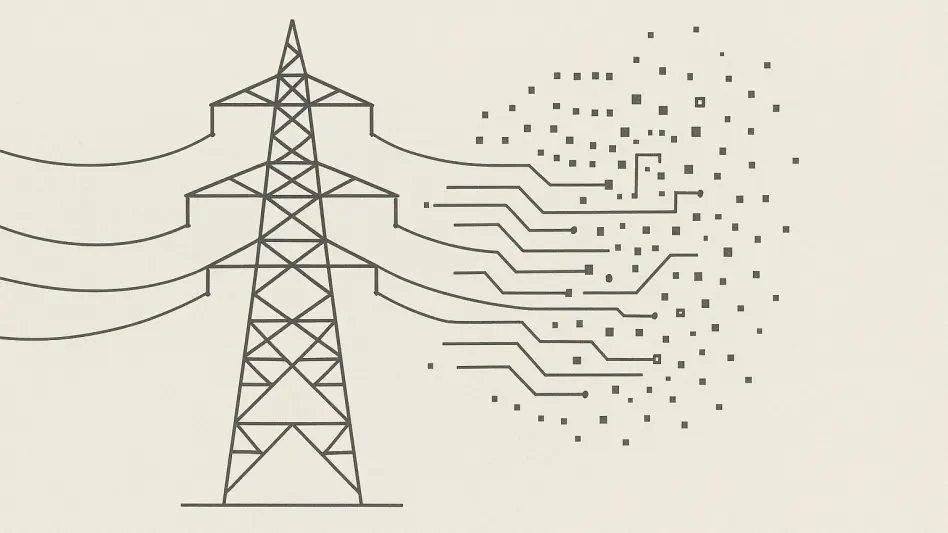
Building on this foundation, the convergence of information technology and operational technology has further complicated the defense of these essential services by creating new pathways for lateral movement within a network. Historically, industrial systems were isolated through physical air gaps, but the drive for digital transformation has led to a more connected and thus more vulnerable environment. Adversaries take advantage of these connections to pivot from less secure corporate office networks into the sensitive control systems that manage physical processes like pressure valves and electrical breakers. This strategy demonstrates a calculated effort to hold civilian infrastructure hostage without ever deploying a traditional piece of malware. As these groups refine their ability to manipulate hardware through digital means, the risk of a widespread outage that lasts for weeks becomes a concrete reality rather than a theoretical scenario that can be safely ignored.
The Resilience Strategy: Prioritizing Robust Recovery
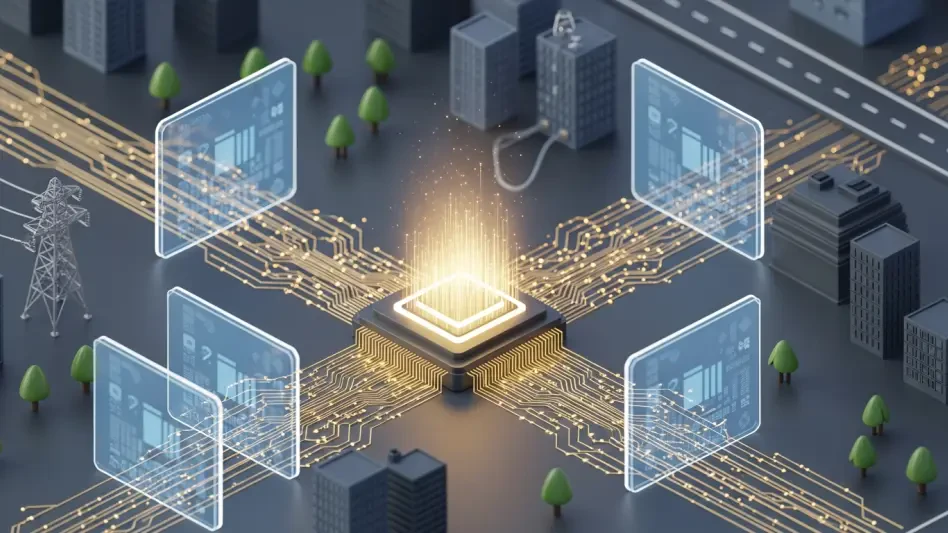
To address these systemic vulnerabilities, a fundamental shift in how organizations perceive security is required, moving away from a model of total prevention toward one of inherent resilience. Since complete protection is no longer considered feasible against well-funded state actors, the new focus centers on the ability to withstand an attack and maintain essential services during an ongoing compromise. This involves the implementation of zero-trust architectures that require continuous verification of every user and device attempting to access critical segments of the network. Furthermore, the adoption of secure by design principles ensures that software manufacturers take greater responsibility for the security outcomes of their products. By integrating security into the earliest stages of the development lifecycle, the industry can reduce the number of exploitable flaws that currently plague the supply chain and provide a more stable foundation for the future.
The collaborative efforts between government agencies and private sector partners established a new framework for information sharing that proved vital in mitigating recent threats. Stakeholders recognized that waiting for a perfect defense was a failed strategy and instead prioritized rapid incident response and recovery protocols. Organizations successfully conducted large-scale simulations that prepared their staff for the unique challenges of a hybrid kinetic and cyber conflict. These exercises ensured that backup manual processes were ready to be deployed if digital controls were compromised, effectively neutralizing the leverage held by adversaries. The focus shifted toward long-term sustainability and the hardening of the nation’s core systems against persistent foreign influence. Leaders ultimately moved toward a model where security was not viewed as an optional cost but as a foundational requirement for the stability of a modern society.