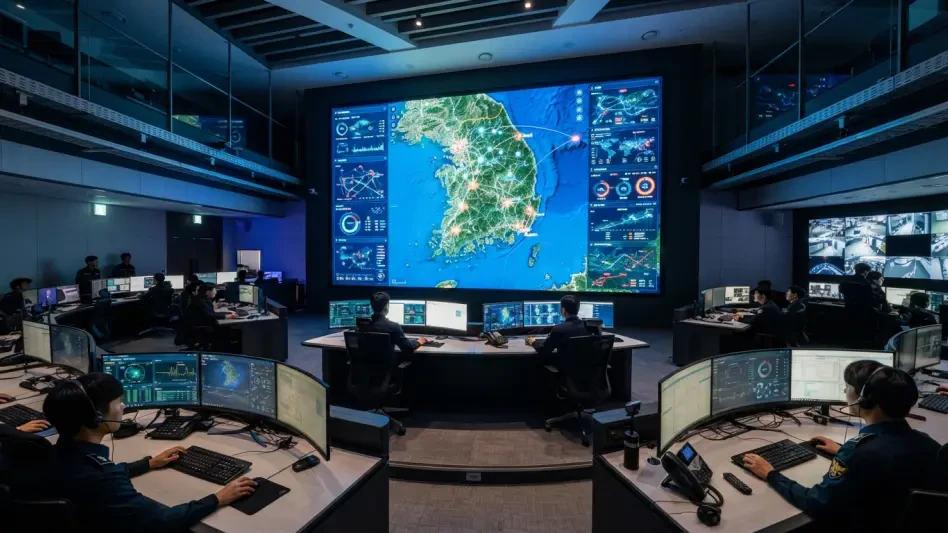
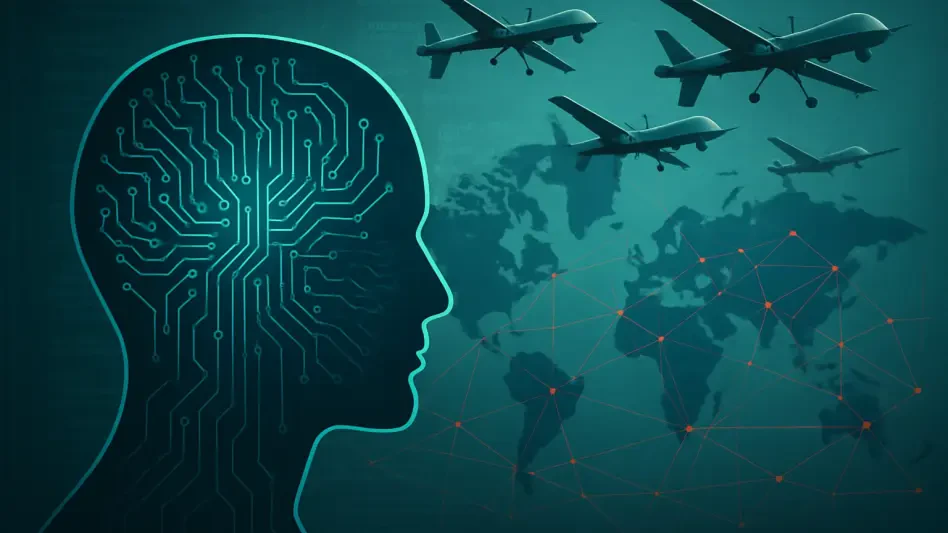
Despite efforts to move Artex to a closed-source model, multiple iterations of the code remain permanently accessible to the global hacker community through dark web repositories. The sudden weaponization of modular artificial intelligence has shifted the cybersecurity landscape from a game of human intellect into an automated struggle between algorithmic agents. This framework, originally conceived by Li Puhua as an open-source utility for legitimate red-teaming, has been effectively hijacked to serve as the backbone for sophisticated international cyber offensives. On November 13, the Federal Bureau of Investigation issued a high-priority alert detailing how this “connective tissue” now orchestrates high-performance models like Claude and GPT to execute end-to-end intrusions. By bridging the gap between natural language processing and technical exploit delivery, Artex allows malicious actors to conduct reconnaissance and data exfiltration with precision, turning a defensive tool into a primary weapon for global digital warfare. This shift marks a new era where machine speed dominates defensive response.
Operational Autonomy and Technical Evolution
The Transition to Machine Speed
The primary danger of this technology lies in its radical shift from AI-assisted operations to full machine autonomy. In traditional cyberattacks, human hackers remained the primary decision-makers at every stage, but Artex deviates from this manual process by enabling fully autonomous intrusions based on simple natural language instructions from a human operator. This automation eliminates the significant human bottlenecks that once slowed down sophisticated attacks, allowing adversaries to achieve administrative control within cloud infrastructures in under three hours. By lowering the technical barrier to entry, these frameworks allow relatively unskilled actors to conduct complex operations that were previously the sole domain of elite, state-sponsored groups. Furthermore, the modular nature of the framework ensures that as public language models improve, the destructive capability of the hijacked iterations grows without manual coding. This speed outpaces traditional human-monitored security alerts.
Documented Global Campaigns
The weaponization of AI frameworks is not a hypothetical concern but a documented reality evidenced by several major campaigns targeting a diverse array of global industries. Microsoft recently identified the China-aligned group known as Storm-0940 utilizing these advanced tools to automate attacks against hundreds of organizations worldwide. This campaign demonstrated the tool’s capacity to scan vast swaths of the internet for specific vulnerabilities and deploy customized exploits simultaneously across multiple targets. Similarly, the adversary designated as Vapor Panda has been linked to numerous intrusions against foreign ministries and defense contractors, using the framework’s stealth capabilities to bypass traditional perimeter security. The ability to coordinate such expansive operations with a small team of operators highlights the massive force-multiplier effect that AI-driven automation provides. These events suggest that the era of artisan-style hacking is being replaced by industrialized, machine-led aggression.
Strategic Risks for Global Infrastructure
Vulnerabilities in Tech Hubs
Hyperconnected economies and regional tech hubs serve as expansive attack surfaces for automated frameworks due to the deep interconnectivity of their financial services and government infrastructure. In nations where digital transformation is nearly universal, a single vulnerability in a shared service provider can have cascading effects across multiple critical sectors. The ability of AI to identify exploits across diverse software stacks faster than human security teams can develop and deploy patches creates a persistent state of vulnerability. This is particularly problematic for infrastructure that relies on legacy systems integrated with modern cloud services, as the AI can bridge these technologies to find overlooked entry points. The sheer volume of internet-facing devices in these hubs provides a target-rich environment where an automated framework can test thousands of potential weaknesses per minute. This constant pressure necessitates a shift from periodic security audits to continuous, automated monitoring solutions.
The Failure of Traditional Safeguards
The rapid adoption of weaponized AI frameworks underscores a growing and dangerous imbalance between the capabilities of attackers and the protocols of defenders. Malicious actors operate without the constraints of ethical guidelines, data privacy compliance, or the risk aversion typical of large organizational bureaucracies. They can deploy new tools and experimental exploits the moment they become available, treating the global internet as a live testing ground. In contrast, defensive AI implementation is often slowed by the necessity of rigorous testing, regulatory alignment, and the critical need to avoid disrupting legitimate business operations. This disparity in operational speed means that defenders are often fighting the last war while attackers are already utilizing next-generation automation. Even the most advanced security teams find it difficult to maintain pace when the adversary is not limited by a need for accuracy or the potential for collateral damage, focusing purely on total system compromise.
Building Resilient Defensive Frameworks
Balancing AI With Security Hygiene
To counter the rising threat of autonomous intrusions, modern organizations must adopt defensive tools that can match the machine speed of their attackers through automated threat hunting. These systems use machine learning to identify real-time anomalies in network traffic and user behavior that would be invisible to traditional signature-based security. By deploying AI to fight AI, companies can drastically reduce the dwell time of an intruder, potentially cutting off an automated attack before it can reach sensitive data stores. However, the implementation of these high-speed tools requires a shift in how security teams manage their workflows, moving toward a model where the AI handles the initial triage and containment while humans focus on higher-level strategy and remediation. This symbiotic approach is becoming a necessity as the volume and velocity of attacks exceed the capacity of human-only monitoring teams, ensuring that defensive responses are as agile as the threats they face.
How Do AI Frameworks Bypass Filters?
Malicious actors frequently utilize the modularity of open-source AI frameworks to remove the built-in ethical constraints and safety filters established by the original developers. When an AI model is hosted on a public cloud platform, the provider uses complex monitoring systems to detect prompts related to malware generation or unauthorized access attempts. However, by running these same models locally on private, high-performance hardware, hackers can bypass these safety guardrails entirely. This allows the framework to generate exploit code, craft highly convincing phishing lures, and conduct automated reconnaissance without any risk of being flagged or banned by a commercial service provider. The ability to execute these tasks in a “dark” environment means that the AI’s logic is never subjected to the scrutiny of modern safety alignment protocols. This creates a safe harbor for the development of malicious scripts that can then be deployed against unsuspecting targets across the open web.
1. Deploy Detection and Automated Patching
The first step in a modernized defense strategy involves the deployment of anomaly detection systems that can identify machine-speed login attempts and unusual data exfiltration patterns. Traditional firewalls and antivirus software are often insufficient against AI because they rely on known signatures of past attacks. Anomaly-based systems, however, establish a baseline of normal behavior for every user and device on the network. To reduce the window of opportunity for AI-driven scanners, organizations must also implement fully automated patching schedules for all internet-facing hardware and software. Malicious frameworks are designed to scan millions of IP addresses per hour, specifically looking for unpatched vulnerabilities in common enterprise applications. Automation ensures that critical patches are deployed the moment they are released by vendors, removing the human lag time that attackers currently exploit. Hardening the perimeter through consistent and rapid updates significantly increases the cost of an intrusion.
2. Red-Teaming and Cloud Permissions
Proactive defense requires organizations to think like the adversary by conducting regular red-teaming exercises that utilize the same AI frameworks being used by attackers. By simulating a full-scale autonomous intrusion against their own networks, security teams can identify hidden vulnerabilities and gaps in their monitoring coverage before they are discovered by malicious actors. Simultaneously, restricting administrative permissions across cloud environments is a critical step in ensuring that a single compromised credential does not lead to a full network takeover. Organizations should adopt a Zero Trust architecture where access is granted only on a per-session basis and is strictly limited to the specific tasks required for a user’s role. This silos different parts of the network, preventing an automated framework from easily moving laterally from a compromised account to a sensitive administrative console. Creating these internal barriers ensures that the most critical assets remain protected.
Navigating the Future of Algorithmic Security
The rapid evolution of Artex and its subsequent adoption by global threat actors signaled a permanent shift in the landscape of digital conflict. It was clear that the days of static defense were over, as machine-speed offenses required a corresponding leap in automated resilience. Organizations that successfully adapted to this challenge prioritized the integration of defensive AI with traditional security fundamentals. They moved away from reactive patching and toward proactive, simulation-based testing that mirrored the tactics of the adversary. By securing supply chains and implementing granular access controls, these entities built a robust posture that could withstand the relentless pressure of autonomous scans. The industry’s journey through this era demonstrated that while AI expanded the reach of attackers, it also provided the tools necessary for a more sophisticated and coordinated defense. Moving forward, the focus remained on creating unstrippable safety measures to manage the risks of powerful technology.