
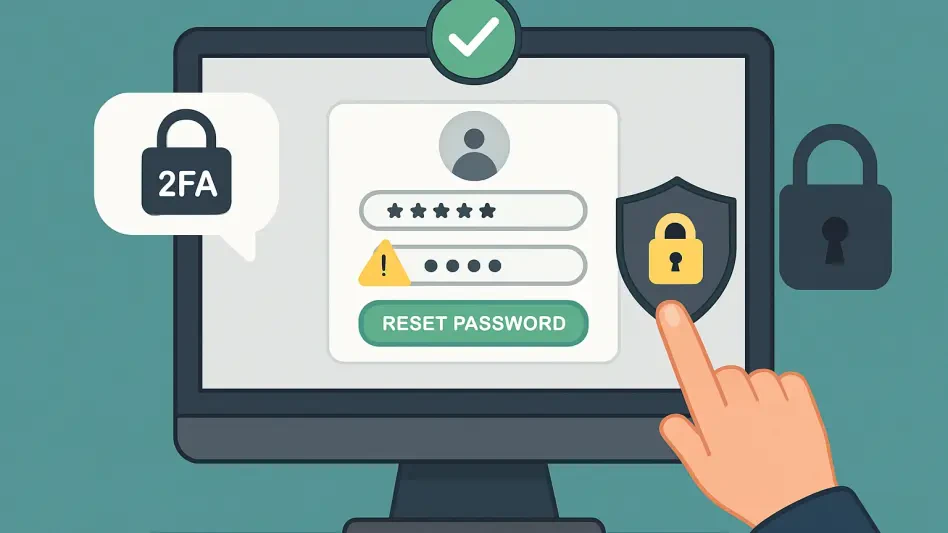
The recent wave of sophisticated cyberattacks targeting national digital infrastructure has forced a paradigm shift in how government agencies protect sensitive corporate data and user information. To address these evolving threats, the Corporate Affairs Commission has introduced a mandatory security overhaul for its Integrated Company Registration Portal, requiring every registered user to undergo a comprehensive credential update. This administrative decision follows extensive system maintenance designed to fortify the platform against unauthorized access and potential data breaches that could compromise the integrity of the national business registry. The transition to a more secure environment is not merely an optional upgrade but a foundational requirement for anyone seeking to conduct business transactions, file annual returns, or register new entities. By implementing these rigorous protocols, the commission aims to establish a more resilient digital ecosystem that fosters trust among local and international investors who rely on the accuracy and confidentiality of corporate records.
1. Update Your Login Credentials
Navigating the initial phase of this security transition requires users to access the official portal and immediately initiate a credential reset to replace outdated or potentially compromised access points. The process begins by selecting the specific link designated for forgotten passwords, which triggers an automated security protocol that validates the user’s identity through their registered primary email address. This step is critical because it ensures that only the legitimate account holder can initiate a change, thereby preventing malicious actors from hijacking accounts during the transition period. Once the system generates a secure reset link, the user must follow the instructions provided in the email to establish a new password that meets the updated complexity standards mandated by the commission. These standards often include a combination of alphanumeric characters, symbols, and case variations to maximize resistance against brute-force attacks and other common password-cracking techniques used by modern hackers.
Building upon the initial reset, the commission has emphasized the importance of using unique credentials that have not been previously utilized on other platforms or legacy versions of the registration portal. This approach minimizes the risk associated with credential stuffing, where leaked data from one service is used to gain unauthorized access to another. Users are encouraged to view this update as a necessary hygiene measure for their digital business identity, as the strength of the initial login remains the first line of defense in a multi-layered security strategy. Furthermore, the commission has integrated real-time validation checks within the portal to provide immediate feedback on password strength, ensuring that every account holder achieves a high level of protection before proceeding to the next stage. Successfully updating these credentials effectively marks the conclusion of the first security tier, clearing the path for the integration of more advanced identity verification methods that are now standard for high-stakes digital services.
2. Set Up a Secondary Verification Step
The second phase of the security enhancement involves the mandatory integration of Two-Factor Authentication, which serves as a vital safeguard by requiring a secondary piece of evidence beyond a traditional password. This layer of protection is specifically designed to neutralize the threat of stolen credentials, as even a compromised password would be insufficient for an attacker to gain entry without the secondary verification. To implement this, users must link their accounts to a mobile security application, such as Google Authenticator or a similar platform that supports Time-based One-Time Password protocols. These applications generate unique, six-digit codes that refresh every thirty seconds, providing a dynamic and non-repeatable verification method that is significantly more secure than traditional SMS-based codes. By moving away from mobile network-dependent verification, the commission reduces the risk of SIM-swapping attacks and ensures that users can access their accounts even in areas with limited cellular reception but active device access.
Once the chosen authentication app is installed on a secure mobile device, the user must scan a unique QR code provided within the registration portal to synchronize the two systems. This synchronization process creates a cryptographic link between the user’s portal profile and their physical device, ensuring that the generated codes are specific only to that individual account. The implementation of this technology reflects a broader commitment to adopting global cybersecurity standards within the domestic business environment, providing a level of security comparable to international financial institutions. Users should ensure that their mobile devices are also secured with biometric locks or strong PINs to prevent unauthorized local access to the authentication app itself. This secondary verification step is essential for maintaining the long-term confidentiality of corporate filings, as it creates a persistent barrier that remains effective even if digital surveillance or social engineering attempts successfully compromise the primary user password.
3. Log in Using Your Full Credentials
Accessing the registration portal under the new security regime requires a coordinated three-step entry process that verifies the user’s identity through multiple independent channels. Moving forward, every login session will necessitate the input of the user’s registered email address or username, followed by the newly established high-complexity password. After these primary credentials are confirmed by the system, the portal will prompt the user to provide the time-sensitive six-digit code currently displayed on their linked authentication application. This holistic approach ensures that the person attempting to log in possesses both the digital knowledge of the account and physical possession of the verified mobile device. This rigorous check is performed for every session, reflecting the commission’s zero-trust architecture where no user is automatically granted access based on past activity or recognized hardware without undergoing the full verification sequence each time.
The practical impact of this updated login flow is most evident during high-stakes activities such as company incorporations, changes in directorship, or the submission of sensitive financial annual returns. By requiring the time-sensitive code for every entry, the commission has effectively closed a significant security gap that previously allowed persistent sessions to remain open and vulnerable to exploitation. While the process adds a few seconds to the initial login experience, the trade-off is a vastly superior security posture that protects the legal and financial interests of business owners across the country. Users should become accustomed to having their mobile devices ready when initiating a session on the portal, as the thirty-second window for each code requires prompt entry to avoid expiration. If a code expires before it is entered, the user must simply wait for the next sequence to appear on their app, ensuring that the authentication remains current and synchronized with the commission’s secure verification servers.
4. Follow Safety Best Practices
Maintaining the integrity of a secured account requires ongoing vigilance and the consistent application of digital safety best practices beyond the initial setup of the portal credentials. One of the most critical responsibilities for users is ensuring that the registered email address remains active and fully accessible, as it serves as the primary recovery channel for the entire account. If access to the email account is lost, the user may find themselves locked out of the registration portal without a straightforward path to recovery, potentially delaying urgent business filings. Additionally, users are strongly advised to avoid sharing their login credentials or their authentication devices with third parties, including subordinates or business partners, to maintain a clear trail of accountability. Instead, the commission suggests utilizing official delegation features within the portal that allow for multi-user access levels while preserving the unique security signatures of each individual who interacts with the company’s digital records.
Another vital component of a robust security strategy is the secure management of emergency backup codes provided during the initial Two-Factor Authentication setup process. These codes are intended to be a one-time solution for regaining access to an account if the primary mobile device is lost, stolen, or otherwise rendered inoperable. The commission recommends that these codes be printed or written down and stored in a physically secure location, such as a safe or a locked cabinet, rather than being saved as a digital file on the same device used for authentication. Keeping these backups separate from the primary digital environment prevents a single point of failure from causing a total loss of account access. Furthermore, users should regularly review their account activity logs to identify any suspicious login attempts and immediately change their credentials if they suspect their security has been compromised. Consistent adherence to these practices ensures that the protections implemented by the commission remain effective over time.
The implementation of these advanced security measures signaled a decisive step toward modernizing the digital infrastructure of the national business registry and protecting the interests of all stakeholders. Users who encountered technical difficulties during the transition were provided with a variety of support resources, including detailed demonstration videos and a dedicated helpdesk focused on resolving authentication synchronization issues. It was recommended that businesses conduct internal audits of their portal access permissions to ensure that only current and authorized personnel held active credentials under the new 2FA system. This proactive approach allowed organizations to streamline their administrative workflows while simultaneously benefiting from the enhanced data protection framework. Looking ahead, the commission indicated that these security protocols would undergo periodic reviews to adapt to emerging cyber threats, ensuring that the registration portal remained a safe environment for corporate transactions through 2026 and beyond. By prioritizing the reset of legacy passwords and the adoption of multi-factor verification, the agency successfully established a more resilient and trustworthy digital platform for the entire business community.