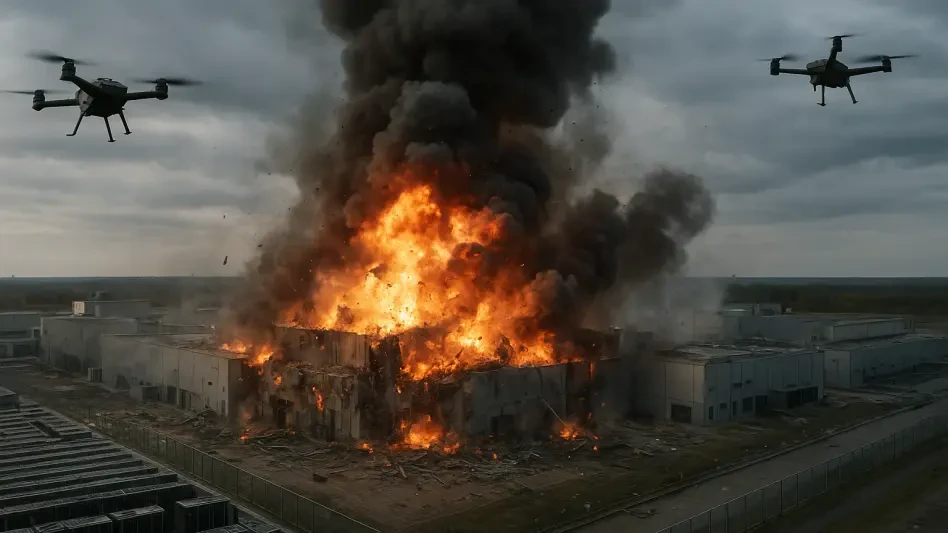

The rapid convergence of high-fidelity generative artificial intelligence and global supply chain vulnerabilities has birthed a sophisticated form of digital extortion that targets the very foundation of the food industry’s credibility. For decades, food fraud was synonymous with physical adulteration, such as diluting olive oil or mislabeling seafood, but the landscape has shifted toward the fabrication of safety incidents that never actually occurred. These digital deepfakes leverage advanced algorithms to create hyper-realistic visuals of contaminated products, which are then used to extract refunds, settle scores, or manipulate stock prices through public shaming. As the barrier to high-quality image generation continues to fall, the burden of proof has shifted onto the manufacturers and restaurateurs who find themselves defenseless against a barrage of synthetic evidence. This evolution represents a departure from traditional theft, as it exploits the psychological and regulatory protocols designed to protect consumer health, effectively turning safety-first corporate policies against the companies that maintain them. The ease with which a bad actor can now conjure a crisis poses an existential threat to the thin margins of the modern hospitality and food production sectors.
The Technological Evolution of Digital Deception
The democratization of generative modeling has effectively eliminated the technical and financial hurdles that once prevented small-scale bad actors from launching convincing corporate attacks. Just a few years ago, producing a photorealistic image of a foreign object embedded in a baked good required professional editing software and a high level of artistic skill to ensure lighting and shadows matched perfectly. Today, the latest iterations of diffusion models allow anyone with a smartphone to generate thousands of variations of a single fraudulent claim in a matter of minutes. These tools have become so ubiquitous that they are integrated into common messaging and social media applications, making the generation of synthetic evidence a frictionless process for those looking to exploit refund policies. The speed of this transition has left the food industry in a reactive state, as traditional quality assurance measures are not equipped to handle the sheer volume of digital anomalies being funneled through customer service portals.
This technological surge has created a massive imbalance between the speed of fraud creation and the speed of corporate verification. Customer service departments, particularly those operating in the high-volume environment of 2026, are often incentivized to resolve claims quickly to maintain high customer satisfaction scores and avoid negative social media engagement. This operational pressure creates a perfect environment for AI-generated fraud to flourish, as human reviewers often lack the forensic tools necessary to detect a synthetic image during a sixty-second ticket review. Furthermore, the iterative nature of machine learning means that every time a fraudster successfully bypasses a security check, the system effectively learns how to be more convincing next time. This creates a feedback loop where the digital evidence of food contamination becomes increasingly difficult to distinguish from reality, forcing companies to reconsider whether digital photography can still be considered a reliable form of proof in any safety investigation.
The Erosion of Human Discernment and Consumer Trust
The fundamental challenge in combating this new wave of deception is the biological limitation of human perception when confronted with high-quality synthetic media. Recent psychological assessments have indicated that the average consumer is no longer able to reliably identify whether a photograph of a common food item is authentic or generated by an algorithm. This perception gap is particularly dangerous in the food sector because visual cues of freshness, quality, and safety are the primary drivers of consumer purchasing decisions. When fraudsters flood digital platforms with hyper-realistic images of spoiled or contaminated products, they are not just attacking a single brand; they are polluting the entire information ecosystem. The resulting confusion leads to a “liar’s dividend,” where genuine complaints are dismissed as fakes, and fabricated crises are treated as genuine emergencies, leaving both the merchant and the honest consumer at a disadvantage.
Beyond the immediate financial impact of fraudulent refunds, the proliferation of AI-generated content is hollowing out the utility of community-driven feedback systems. Online reviews and photo galleries have long served as a proxy for physical inspection, providing a layer of transparency that modern consumers have come to rely on for their daily dining choices. However, as AI-generated text and imagery become indistinguishable from human-generated content, the trust that underpins these platforms is rapidly evaporating. If a competitor can generate five hundred negative reviews with accompanying synthetic photos of food poisoning incidents overnight, the targeted business may never recover from the reputational fallout. This erosion of trust forces a return to more closed, curated ecosystems, as the open digital public square becomes too risky for businesses to navigate without significant investments in verification technology and third-party moderation services.
Common Tactics Used in AI-Assisted Fraud
Modern fraudsters have refined their approach to target the specific vulnerabilities inherent in the digital-first dining landscape, specifically focusing on visual evidence manipulation. One of the most prevalent tactics involves the creation of a “digital contamination event” where a user generates a series of images showing mold, insects, or glass shards within a product that was delivered via a third-party application. Because these delivery platforms prioritize frictionless user experiences, they often automate the refund process for any claim accompanied by a photo. This creates a financial blind spot for the restaurant, which is forced to eat the cost of the meal and the delivery fees without ever having the opportunity to inspect the physical evidence. The fraudster essentially uses the AI as a key to unlock the merchant’s digital cash register, repeating the process across dozens of different accounts to avoid detection by platform-level anti-fraud algorithms.
In addition to visual manipulation, bad actors are increasingly using large language models to automate the production of professional-sounding legal and regulatory threats. These AI-drafted complaints are designed to mimic the specific terminology and authoritative tone used by health inspectors or legal counsel, aiming to intimidate small business owners into paying out private settlements. Unlike the generic phishing emails of the past, these generated documents can be highly personalized, referencing local health codes, specific menu items, and recent delivery timestamps to create a veneer of undeniable authenticity. By combining a synthetic photo of a food safety failure with a perfectly formatted legal demand, fraudsters can bypass the standard customer service filters and escalate their claims directly to management. This multi-modal approach to fraud maximizes the pressure on the business owner, who may choose to pay a small “settlement” rather than risk a public scandal or a lengthy regulatory audit.
Regulatory Gaps and Long-Term Business Risks
The current legal landscape remains largely anchored in the 20th century, focusing on the physical properties of food rather than the digital information surrounding it. Existing food safety regulations were written to hold producers and retailers accountable for the actual quality of their goods, leaving a massive regulatory vacuum regarding the fraudulent use of synthetic media to damage a business. In most jurisdictions, while it is illegal to sell contaminated food, there are surprisingly few specific criminal penalties for generating and disseminating a fake image of contaminated food with the intent to defraud. This lack of legal deterrents has turned AI-driven food fraud into a high-reward, low-risk enterprise for digital criminals. Businesses are often left to navigate these attacks as civil matters, which are prohibitively expensive to litigate, or they must rely on the self-regulation of delivery platforms that may not have the merchant’s best interests at heart.
To survive this era of digital volatility, the industry must transition from traditional, manual review processes to proactive, data-centric defense strategies that do not rely solely on visual confirmation. Leading organizations recognized that the only way to counter generative AI was through the implementation of specialized detection algorithms and cryptographic watermarking of genuine product photography. These pioneers integrated blockchain-based provenance for high-value ingredients and utilized behavioral analytics to flag suspicious refund patterns before they could impact the bottom line. By shifting the focus from the image itself to the metadata and the historical behavior of the claimant, businesses managed to filter out a significant percentage of synthetic attacks. Furthermore, the establishment of industry-wide databases for shared fraud intelligence allowed even smaller merchants to benefit from the collective security insights of the global food community. These defensive measures proved that while AI provided a new weapon for fraud, it also necessitated a more rigorous and technologically advanced approach to operational integrity.