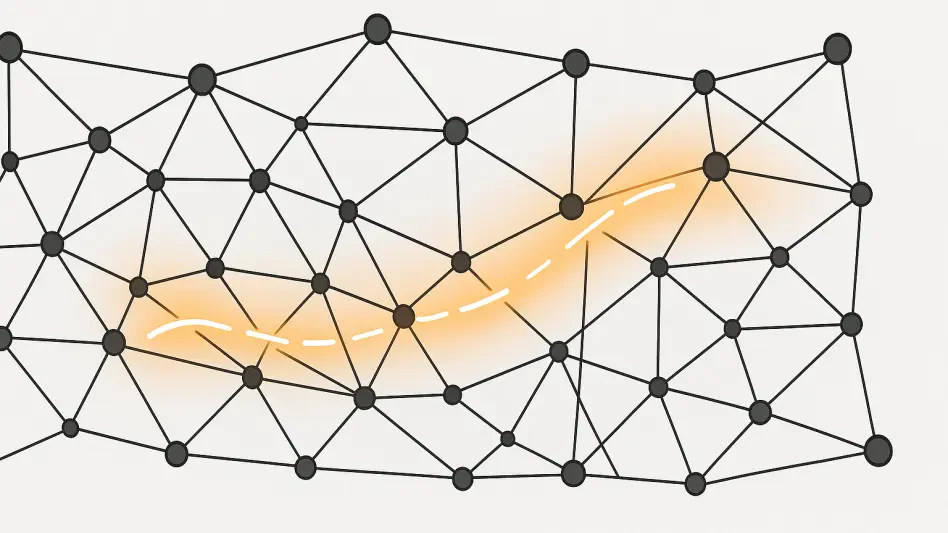
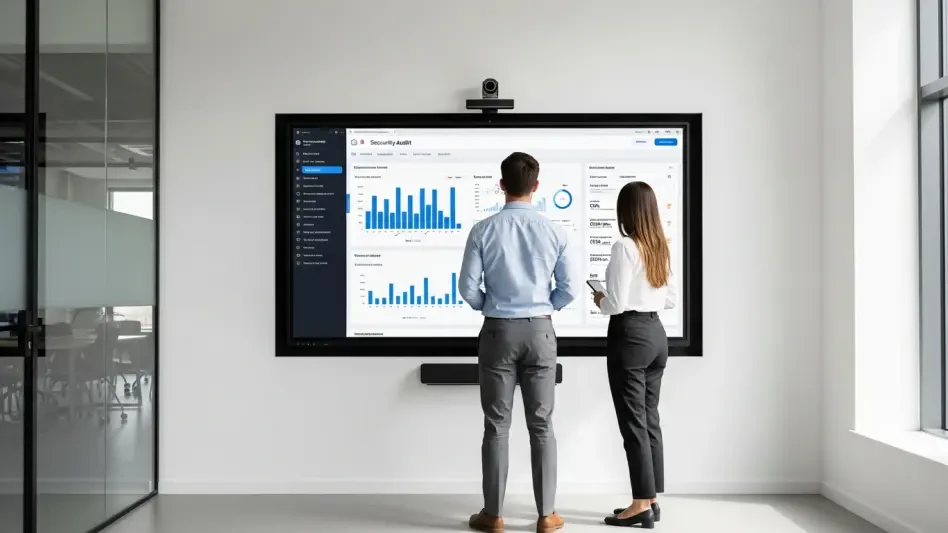
The digital landscape has transformed into a high-stakes environment where a single line of vulnerable code can compromise global infrastructure within seconds. Anthropic has responded to this escalating threat by launching the public beta of Claude Security, an advanced vulnerability scanning and patching tool integrated directly into the Claude.ai platform for Enterprise customers. Powered by the specialized Claude Opus 4.7 model, this feature enables development teams to conduct granular analysis of entire codebases by tracing intricate data flows and evaluating complex component interactions across multiple modules simultaneously. Unlike legacy systems that rely on fragmented API integrations, Claude Security operates natively, allowing for scheduled or targeted scans of specific directories and branches. This native architecture eliminates the friction often associated with external security audits, positioning the AI not merely as a chatbot but as a persistent guardian of the development lifecycle that monitors code integrity in real-time.
Transforming Raw Data into Actionable Intelligence
To provide more than just a list of potential errors, Claude Security generates comprehensive intelligence reports that detail vulnerability severity, confidence levels, and the anticipated impact of a breach. When a flaw is detected, the tool provides specific, reproducible steps that allow developers to verify the issue within their local environments immediately. This transparency is paired with targeted patch suggestions that users can review and apply within the context of their existing code, significantly reducing the mean time to remediation. For large organizations, the platform includes robust administrative controls that permit security leads to dismiss findings with documented justifications or export data for internal audits in CSV and Markdown formats. Furthermore, the integration with external ecosystems like Slack and Jira via webhooks ensures that security findings are triaged through existing corporate workflows, turning the AI’s output into a seamless part of the standard DevOps pipeline.
Strategic Evolution of Defensive Artificial Intelligence
The emergence of this tool signaled a pivotal shift in the ongoing technological rivalry between major developers, as the focus moved from general-purpose assistants to specialized defensive infrastructure. This transition followed the earlier release of Claude Mythos Preview, which demonstrated the capability to identify zero-day vulnerabilities and simulate exploits for proactive testing. In response to these developments, OpenAI introduced GPT-5.5-Cyber, further accelerating the transition toward a landscape where AI-driven security is a baseline requirement rather than a luxury. Stakeholders recognized that as attackers began leveraging automated systems to find weaknesses, the only viable defense was a more sophisticated, natively integrated AI. Organizations that integrated these tools early benefited from a more resilient software architecture and a reduced reliance on manual code reviews. Future security strategies prioritized the deployment of such autonomous scanning layers to maintain parity with the rapidly evolving threat landscape.