
The infection chain for Nexcorium begins with a specialized downloader shell script that identifies the processor architecture of the compromised device before pulling the appropriate binary. In the current digital landscape of 2026, the proliferation of Internet of Things hardware has created an expansive attack surface that threat actors are eager to exploit. Many of these devices, once installed in residential or commercial settings, are often forgotten by their owners, operating silently for years without receiving a single security update. Nexcorium represents a sophisticated evolution in botnet technology, specifically engineered to harvest these zombie devices into a unified, malicious force. By targeting equipment that has reached its end-of-life status, the malware ensures a steady supply of vulnerable hosts that lack modern defensive measures. This strategy allows the operators to build a resilient infrastructure that is remarkably difficult to dismantle, as the compromised hardware exists outside the typical lifecycle of managed enterprise assets.
Mechanics of Initial Compromise
Targeting Vulnerable Hardware: The RCE Exploit
Exploitation begins with a focus on CVE-2024-3721, a critical vulnerability that resides within the management interface of TBK digital video recorders. This particular flaw is devastatingly effective because it allows for unauthenticated remote code execution, meaning an attacker does not need a password or valid session to take control. By sending a carefully crafted HTTP request to the target hardware, the Nexcorium operators can bypass all standard security protocols and inject commands directly into the operating system of the device. This capability transforms a simple surveillance tool into a fully programmable node within a global botnet. Because these DVRs are often exposed directly to the public internet to allow owners to view camera feeds remotely, they are easily discovered by automated scanning tools. Once the command injection is successful, the device immediately transitions from a passive recording tool to an active participant in the broader cyberattack campaign, all without any visible indication.
Multi-Device Strategy: Mirai Lineage and Architecture
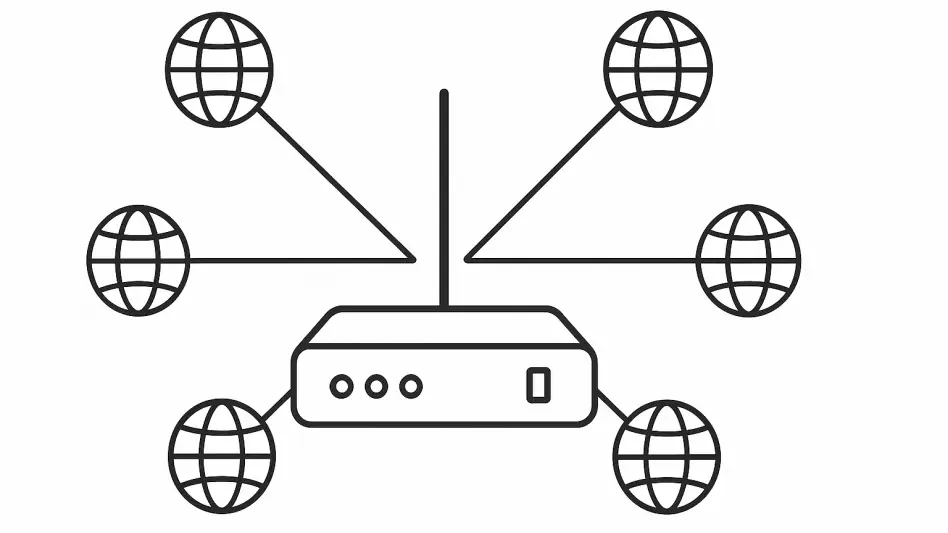
Beyond its initial entry point, Nexcorium demonstrates a sophisticated architecture that draws heavily from the legacy of the Mirai botnet while adding modern enhancements. One of its most effective features is the use of XOR-encoded configuration tables, which encrypt the command-and-control server addresses to hide them from automated malware analysis and security researchers. When a device is successfully infected, the malware issues a distinct signature that identifies the hardware as a new member of the Nexuscorp fleet. The strategy is not limited to a single brand of electronics; the campaign also targets older vulnerabilities in TP-Link Wi-Fi routers to diversify its hardware pool. By leveraging a multi-device strategy, the botnet maintains a high degree of resilience. If a specific manufacturer releases a rare patch or a service provider identifies and blocks traffic from one type of device, the remaining nodes in the network continue to function, ensuring the botnet’s overall operational capacity remains intact and dangerous.
Persistence and Autonomous Growth
Ensuring Longevity: Watchdog Processes and Integrity
Maintenance of the infection is handled by a robust persistence mechanism designed to prevent the malware from being easily removed by a simple system reboot or manual process termination. Once the downloader script has identified the specific CPU architecture of the host, it deploys a secondary watchdog subprocess that runs in the background. This monitor is tasked with verifying the health and activity of the primary malware payload at all times. If the main Nexcorium process is stopped by a user or crashes due to a resource conflict, the watchdog immediately detects the interruption and restarts the binary. To further harden its presence, the malware performs regular integrity checks on its own file system components. If it detects that a file has been modified or deleted, it can replicate itself to hidden directories or new disk locations, effectively playing a game of cat-and-mouse with any basic cleanup scripts that might be running. This persistence ensures that once a device is taken, it stays under the control of the attacker.
Worm-Like Behavior: Brute-Force and Propagation
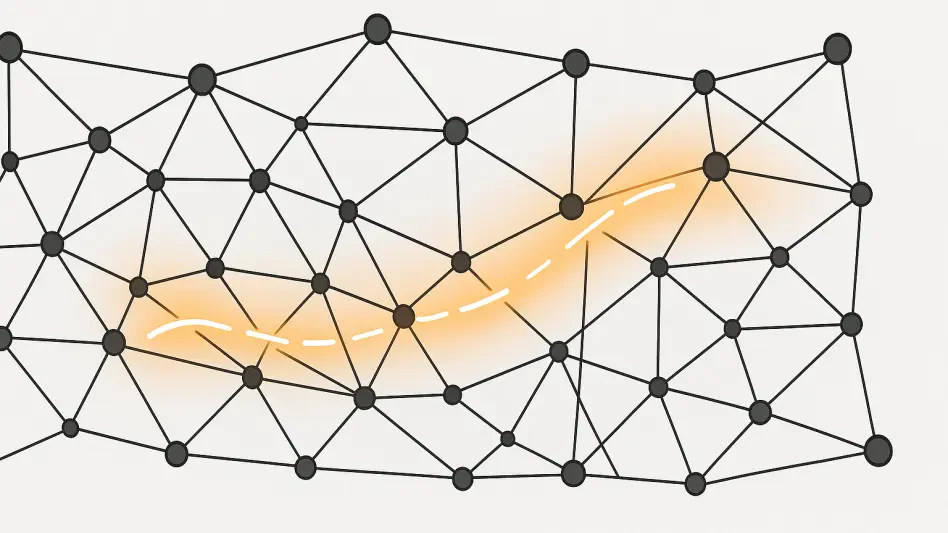
The growth of the Nexcorium network is further accelerated by an autonomous propagation module that functions with worm-like efficiency across the global internet. Instead of relying solely on manual exploitation by human operators, the malware actively scans both local and external networks to find additional candidates for infection. It specifically searches for devices with open Telnet interfaces, which are common in older IoT hardware designs. Once a potential target is identified, Nexcorium utilizes a hardcoded library of factory default credentials to attempt a brute-force login. This method is surprisingly effective because many users never change the default admin or password settings on their hardware. As each new device is compromised, it immediately begins its own scanning process, leading to an exponential increase in the botnet’s total size. This automated cycle allows the threat to spread rapidly through entire subnets, turning thousands of unmanaged and unpatched devices into a coordinated army for future large-scale distributed denial-of-service operations.
Global Impact and Mitigation Strategies
Traffic Obfuscation: The DDoS Threat
The primary danger posed by the expansion of the Nexcorium botnet lies in its ability to launch devastating distributed denial-of-service attacks that are exceptionally difficult to mitigate. Because the botnet is composed of thousands of legitimate residential and small business devices, the traffic it generates carries the IP addresses of real users. This creates a significant challenge for network administrators and security providers who must distinguish between a flood of malicious requests and genuine customer traffic. Traditional defense mechanisms, such as simple IP blacklisting or geographic filtering, are often insufficient because the attack origins are globally distributed and originate from trusted service provider networks. When these nodes are synchronized by the command-and-control server, they can generate a massive volume of data that overwhelms the bandwidth and processing power of even the most robust digital services. This results in significant financial losses and operational downtime for targeted organizations, highlighting the critical threat that neglected legacy hardware poses.
Securing the Network: Hardware Retirement and Hygiene
Security researchers and network administrators realized that the most effective way to combat the Nexcorium threat involved a proactive approach to hardware management and network security. They recommended that the immediate retirement of end-of-life devices was the only permanent solution to close the vulnerabilities exploited by this malware. In situations where hardware replacement was not feasible, administrators implemented strict network segmentation to isolate legacy IoT devices from critical infrastructure and sensitive data. They also prioritized the disabling of unnecessary remote management interfaces and the enforcement of strong, unique passwords to prevent brute-force propagation. By moving toward a zero trust model for peripheral hardware, organizations successfully reduced their attack surface and limited the potential for these devices to be weaponized. These measures emphasized that the security of the digital ecosystem depended on the continuous monitoring and updating of every connected component. Ultimately, the industry learned that neglecting the lifecycle of even the smallest device could lead to significant global vulnerabilities.