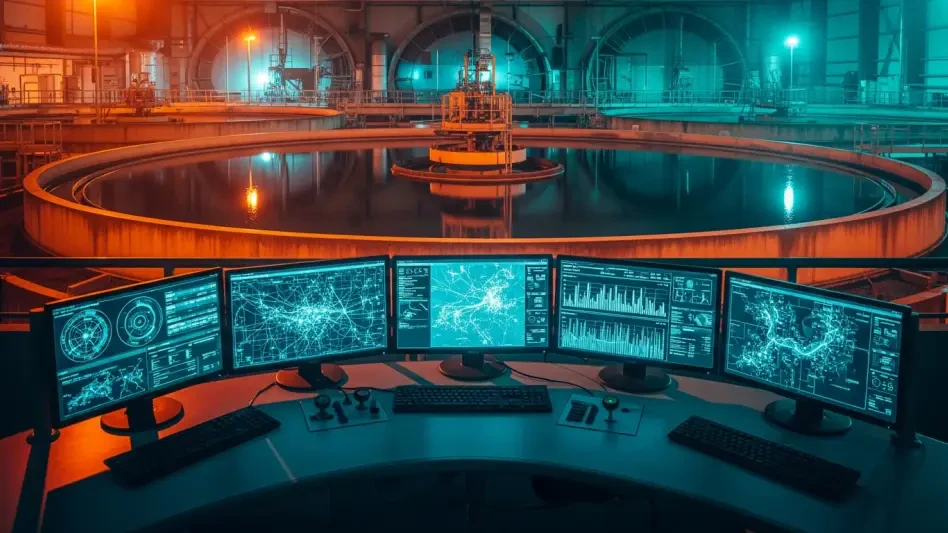
The invisible threads of connectivity that keep modern electricity flowing and water running have become the primary targets in a global conflict that no longer requires a single physical bullet to be fired. This shift marks a dangerous evolution in digital warfare, where the goal has moved beyond stealing data to actively disrupting the physical processes that sustain human life. As industrial environments integrate more closely with the internet, the boundary between the digital and the physical has blurred, creating a massive surface for state-sponsored actors and opportunistic hacktivists to exploit.
The primary challenge lies in the inherent fragility of Operational Technology (OT), which governs the machinery of power grids, water treatment plants, and manufacturing lines. Unlike traditional IT systems, these environments were often designed for longevity and reliability rather than robust cybersecurity. Consequently, protecting these essential services from sophisticated adversaries has become a race against time, as the vulnerability of these systems directly correlates to the stability of national security.
The core of this research explores why industrial environments are now the focal point of geopolitical friction. This is not merely about technical failures but about the strategic leverage gained by disrupting a nation’s ability to function. By understanding the motivations behind these attacks, security experts can better identify why the transition from digital espionage to physical sabotage has accelerated so rapidly in recent years.
Analyzing the Shift Toward Operational Technology and Cyber-Physical Targets
Industrial systems have historically operated in silos, but the push for efficiency has forced them into the connected world. This exposure has turned once-isolated mechanical controls into vulnerable nodes on a global network. Threat actors have realized that a well-placed command in a cyber-physical system can cause more chaos than a thousand stolen passwords, leading to a concentrated effort to penetrate the industrial core of developed nations.
The escalation is largely driven by the high-stakes nature of these targets. When a power grid or a water supply is compromised, the impact is immediate and visceral, affecting public trust and economic confidence. Hacktivists, often acting as proxies for larger geopolitical interests, use these disruptions to send messages or exert pressure during international disputes, making the protection of OT a central pillar of any modern defense strategy.
The Geopolitical Context and Global Importance of Industrial Security
The transition from traditional cyber espionage to the disruption of physical infrastructure is deeply rooted in shifting global power dynamics. Tensions involving major actors like Russia and Iran have redefined the threat landscape for the United States and its allies. These nations and their affiliated groups view infrastructure as a “soft target” that offers a significant return on investment for their disruptive efforts.
Disrupting a wastewater treatment facility or an energy distribution network serves to create public discord and project a sense of government inadequacy. For this reason, research into industrial security is no longer an academic exercise; it is vital for maintaining the economic stability of the West. If the foundations of society—food, water, and energy—are insecure, the entire structure of national resilience is at risk.
Research Methodology, Findings, and Implications
Methodology: Mapping the Attack Surface
To understand these threats, industrial security experts analyzed the prevalence of internet-exposed assets using specialized scanning tools and threat intelligence feeds. The approach focused heavily on monitoring Virtual Network Computing (VNC) protocols and the public accessibility of Human-Machine Interfaces (HMI). These are the visual dashboards that allow operators to control physical machinery, and their exposure to the public internet represents a significant failure in basic security hygiene.
Researchers also utilized real-world case studies to evaluate how current defense strategies hold up under pressure. By examining the activities of specific threat groups, such as “Handala,” the team could see exactly how attackers navigate industrial networks. This hands-on analysis provided a clear picture of the delta between theoretical security policies and the messy reality of industrial operations.
Findings: The Path of Least Resistance
The study revealed a startling “no vulnerabilities needed” strategy employed by modern attackers. Instead of spending months developing complex software exploits, malicious actors simply look for misconfigurations and insecure-by-design protocols. In many cases, unauthenticated remote access and the use of default credentials were all that was required to gain full control over SCADA and HMI systems, highlighting a systemic failure to implement even basic security measures.
The data identified specific sectors as being particularly high-risk. Medical device manufacturing, wastewater management, and energy distribution were frequently targeted due to their reliance on legacy hardware. These sectors often use protocols that do not support encryption or modern authentication, making them “low-hanging fruit” for even moderately skilled hackers who can now achieve high-impact results with minimal effort.
Implications: From Digital Breaches to Physical Consequences
The findings suggest that the security of industrial systems is now inextricably linked to public safety. When a cyber-physical incursion occurs, the consequences are not limited to data loss; they manifest as the disruption of surgical equipment production or the contamination of utility services. The research makes it clear that the era of treating OT security as a secondary concern to IT security is over.
Furthermore, the necessity for critical industries to abandon legacy systems has become an urgent mandate. Many of these machines were built decades ago and were never intended for internet connectivity. As long as these outdated systems remain plugged into the global grid, they will continue to serve as gateways for adversaries looking to undermine national prosperity through targeted sabotage.
Reflection and Future Directions
Reflection on Legacy Challenges
The difficulty of securing legacy hardware remains one of the most frustrating hurdles for infrastructure providers. Because these systems lack modern authentication features and were built on insecure-by-design principles, they cannot simply be patched like a standard laptop. This has forced operators into a difficult balancing act between maintaining operational efficiency and the costly, labor-intensive process of implementing air-gaps or restricted remote access.
The evolution of low-effort, high-impact methodologies has caught many providers off guard. The speed at which an attacker can move from an internet scan to controlling a water pump is terrifying. This reality underscores the fact that many organizations are still operating with a mindset that assumes their industrial equipment is hidden or too obscure to be targeted, a dangerous fallacy in the age of automated scanning.
Future Directions for Industry Resilience
Moving forward, the focus must shift toward developing standardized, “bolt-on” authentication for legacy industrial protocols that cannot be replaced immediately. There is also a desperate need for automated configuration auditing tools that can scan industrial networks and automatically flag internet-facing assets before they are discovered by hostile actors. Removing these assets from the public eye is the single most effective way to reduce the current threat level.
International policy frameworks should also be explored to establish clear red lines regarding cyberattacks on civilian life-support systems. While technology can provide a shield, diplomacy and international law must work to deter hacktivism that targets non-combatant infrastructure. Future research should prioritize the creation of resilient, self-healing networks that can detect and isolate unauthorized commands in real-time.
Strengthening National Resilience Against Cyber-Physical Threats
The opportunistic nature of modern infrastructure attacks confirmed that basic security hygiene is the most significant gap in current defenses. Researchers discovered that moving beyond simple perimeter security is no longer optional for those managing the foundations of society. The proactive elimination of internet-exposed assets proved to be the most critical step in preventing high-impact disruptions. Ultimately, the industry moved toward a “secure-by-design” philosophy, ensuring that new installations were resilient against the common pitfalls of default credentials and unauthenticated access.