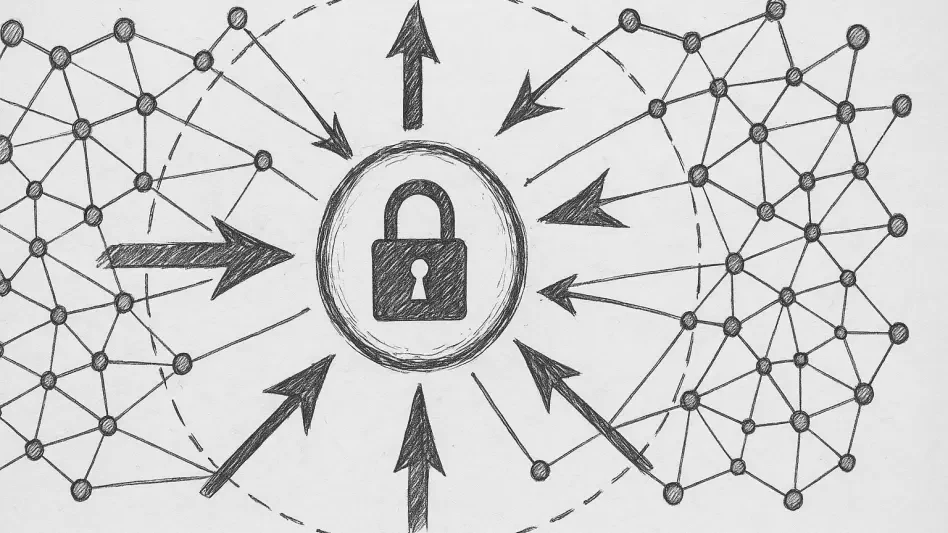

The persistence of negligent password habits remains a significant opening for cybercriminals seeking to infiltrate both corporate networks and private personal accounts. In a landscape where digital operations have become the standard for every industry, the refusal to abandon predictable credentials like “123456” or “admin” reveals a startling gap in cybersecurity awareness. Despite the availability of sophisticated encryption and biometric alternatives, many individuals still prioritize momentary convenience over the long-term safety of their digital identities. This behavioral trend is not confined to personal devices; it extends into the highest levels of government and corporate infrastructure, where the stakes are considerably higher. Recent assessments in 2026 indicate that even though the tools to secure data have improved, the human element remains the weakest link. By failing to implement even the most basic security protocols, organizations are providing a roadmap for malicious actors to bypass their defenses.
Vulnerabilities in Public Infrastructure
Institutional Gaps: Lessons from the Auditor General
A recent State Government audit in Western Australia revealed critical weaknesses in how seven different government entities managed their Microsoft 365 environments. The findings highlighted systemic shortcomings in identity and access management, which significantly increased the risk of unauthorized data exposure. Many high-privilege accounts were found to be operating without robust multi-factor authentication, leaving essential public services vulnerable to disruption.
Furthermore, the audit demonstrated that many of these security gaps were relatively simple and inexpensive to rectify. Despite the low cost of implementing stronger governance and security monitoring, these measures were often overlooked or delayed. The failure to address such basic requirements suggests a lack of urgency in protecting sensitive data. This oversight not only endangers internal systems but also erodes public trust in the ability of government institutions to handle citizen information securely.
Real-World Consequences: The Impact of Data Breaches
The impact of these vulnerabilities was clearly illustrated by a breach involving the Canvas learning management system, which affected the Department of Education. While the incident did not directly compromise financial data, it did result in the exposure of employee names and email addresses. Such information is highly valuable to cybercriminals, who use it to craft targeted phishing campaigns that appear legitimate to the recipient.
Once a malicious actor gains a foothold through a simple breach, they can slowly move through a network to access more sensitive systems. This incremental approach allows them to gather intelligence and escalate privileges over time. The Canvas incident served as a stark reminder that even platforms considered “low risk” can become the entry point for much larger and more damaging attacks. Protecting every node in a network is essential for maintaining a secure environment.
The Evolution of Cyber Threats
Automated Exploitation: The Rise of Credential Stuffing
Cybercriminals no longer rely on manual attempts to guess passwords; instead, they utilize automated tools to perform “credential stuffing” attacks. These tools allow hackers to cross-reference leaked password databases against multiple platforms simultaneously, looking for matches. If a user recycles the same password across different sites, a single leak can compromise their entire digital presence. This automation makes even moderately complex passwords a liability if they are reused.
The Australian Signals Directorate reported a 16 percent increase in calls to cybersecurity hotlines and an 11 percent rise in serious cyber incidents over the past year. These statistics reflect an environment where automated threats are becoming more frequent and effective. As hackers refine their techniques, the margin for error for users and administrators continues to shrink. Reliance on traditional password-only security is increasingly insufficient against these high-volume, automated strategies.
Strategic Defense: Implementing Robust Security Protocols
The most effective defense against modern threats involved a multi-layered approach that moved beyond simple credentials. Security professionals recommended the adoption of long, unique passphrases instead of short passwords, as these were significantly harder for automated tools to crack. The transition from simple words to complex phrases represented a fundamental shift in how users were taught to think about their digital keys.
It was essential that organizations mandated the use of multi-factor authentication and maintained a strict schedule for software updates. The integration of these protocols proved to be the most reliable way to mitigate the risks associated with human error and convenience-seeking behavior. By prioritizing these actionable steps, entities successfully hardened their perimeters. Ultimately, the industry learned that while threats grew more sophisticated, basic digital hygiene remained the most critical component of a resilient defense.