
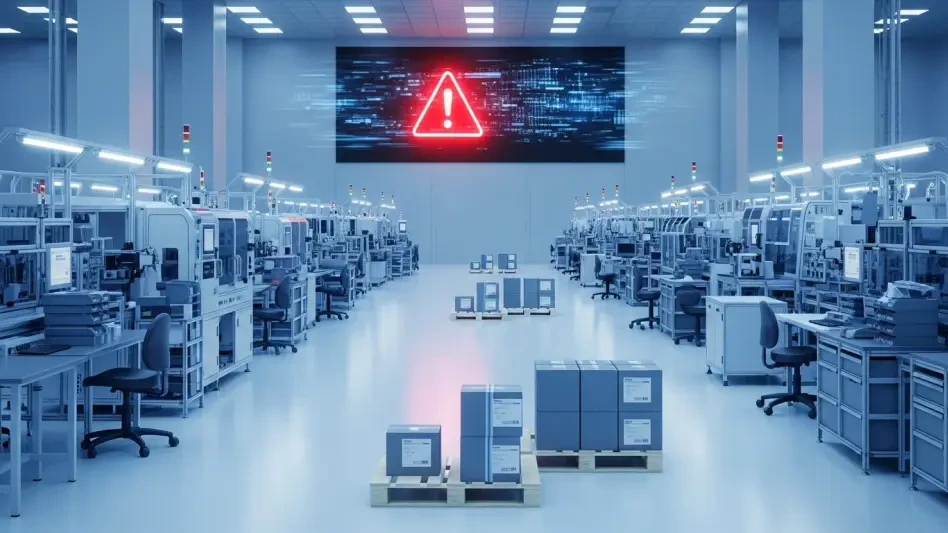
The quiet efficiency of a high-tech manufacturing floor usually hums with the sound of precision machinery, but for UFP Technologies, that rhythm was shattered by a digital silence that paralyzed its logistical heart. On February 14, the Newburyport-based manufacturer discovered that an invisible adversary had bypassed its defenses, turning a routine day into a frantic battle for control over its administrative network. This was not just a technical glitch; it was a targeted strike that severed the link between production and distribution, leaving the company temporarily unable to bill clients or ship vital components.
The breach at UFP Technologies highlights a frightening reality for the modern medical supply chain where digital systems failure causes physical goods to stop moving. As a critical manufacturer of specialized packaging and components for the medical industry, the company sits at a nexus where data integrity directly affects patient outcomes. This incident serves as a stark warning that even robust industrial entities are vulnerable to sophisticated extortion tactics designed to exploit the time-sensitive nature of their operations.
A Silent Intruder in the Medical Supply Chain
While most of the world focused on mid-February routines, UFP Technologies was quietly identifying a breach that would stall its administrative engine. The unauthorized presence within its network transformed a standard business day into a high-stakes digital recovery mission. The event immediately hampered the company’s ability to generate shipping labels and process billing, demonstrating how quickly a digital intrusion can manifest as a physical logistics bottleneck.
The disruption necessitated a swift transition to manual oversight in areas where automation had long been the standard. Employees found themselves navigating a landscape where the primary tools for commerce were suddenly weaponized or inaccessible. This forced a reorganization of priorities, placing the immediate restoration of the shipping pipeline at the forefront of the management strategy.
The Rising Stakes: Global Medical Infrastructure
The attack on UFP Technologies is not an isolated incident but a symptom of a broader targeting of the healthcare and medical device sectors. As critical nodes in the global supply chain, these companies handle sensitive intellectual property and essential logistical data, making them lucrative targets for extortion. This breach highlights a shift in the threat landscape where regional exposure and industry-specific vulnerabilities are prioritized by attackers over mere organizational size.
Such intrusions place increased pressure on manufacturers to defend every link in their digital chain. When a single provider is compromised, the ripples are felt by hospitals and clinics that rely on just-in-time delivery for surgical equipment and specialized tools. The fragility of this interconnected system means that a delay in Massachusetts can lead to a shortage in a surgical suite thousands of miles away.
Anatomy of the Incident and Forensic Recovery
According to official SEC filings, the breach involved both data exfiltration and the potential destruction of internal files, characteristics often associated with ransomware or wiper malware. UFP Technologies responded by activating incident response protocols, which involved isolating compromised systems and bringing in third-party forensic specialists to purge the intruders. Despite the disruption to billing and customer shipments, the company managed to keep core operations functional.
The recovery process focused on the systematic restoration of the administrative environment from secure backups. By relying on established contingency plans and robust data backup systems, the organization managed to mitigate a total shutdown. This layered defense strategy allowed the manufacturing side of the business to continue producing goods even as the digital forensics team worked to reclaim the billing and shipping software.
Industry Telemetry: The Healthcare Ransomware Surge
Data from the Acronis Cyberthreats Report for the latter half of 2025 reveals that healthcare-related entities accounted for 12% of all disclosed ransomware victims globally. This incident at UFP Technologies confirms a consensus among security analysts that industrial cyber threats are evolving to exploit the specific dependencies of medical manufacturing. The investigation is currently focused on the nature of the stolen files to determine if personal or sensitive information was compromised.
Identifying the scope of the theft is a critical step that will trigger various legal and regulatory notification requirements. Analysts pointed out that the volume of such attacks is no longer dictated solely by a company’s revenue, but by how essential their services are to the broader public health infrastructure. As the investigation matured, the focus shifted toward understanding the entry vector to prevent future recurrence.
Strategic Frameworks for Mitigating Industrial Cyber Risk
To survive similar incursions, organizations prioritized the implementation of air-gapped or immutable backup systems that ensured core operations remained viable even when administrative functions failed. UFP Technologies’ ability to avoid a material financial impact underscored the importance of a comprehensive cyber insurance policy to cover the high costs of containment and remediation. The company demonstrated that technical defenses were only one part of a larger survival strategy.
Beyond technology, the incident served as a blueprint for rapid SEC disclosure and the necessity of having forensic experts on standby. This approach ensured that unauthorized third parties were fully evicted before systems were restored to their full capacity. Ultimately, the organization successfully leveraged its contingency frameworks to restore normalcy and communicated the resolution to stakeholders with transparency. This proactive stance helped maintain market confidence throughout the remediation period.