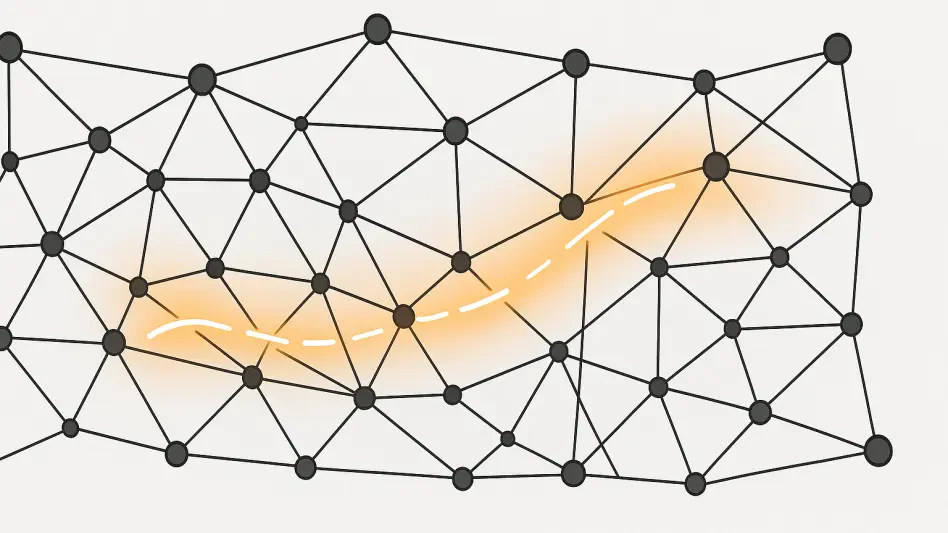

The sophisticated orchestration of autonomous cyber threats has fundamentally compressed the window of opportunity for security teams to detect and mitigate breaches before significant data exfiltration occurs. In the current landscape, static defenses are largely bypassed by polymorphic code and adaptive scanning tools that learn from the environment they inhabit. This rapid evolution forces a shift away from traditional perimeter-based security toward a model that prioritizes deep, real-time visibility into internal system behaviors and network traffic. By the time a signature is updated or a manual review is triggered, an automated adversary might have already secured administrative privileges or established covert persistence. Organizations must now reckon with the reality that human-led response times are no longer sufficient to counter machine-speed incursions. The convergence of cloud-native complexity and high-velocity attack vectors necessitates a more granular approach to monitoring where every packet and process is analyzed within its live operational context.
The New Standard: Adversarial Automation and Alert Saturation
Modern adversaries utilize large language models and reinforcement learning to tailor their exploits specifically to the target infrastructure, making generalized security patches less effective. These autonomous agents probe cloud configurations for minor discrepancies and misaligned permissions that human operators often overlook during routine audits. Once a foothold is established, the malware can modify its own communication protocols to blend in with legitimate microservices traffic, effectively hiding in plain sight. This level of sophistication means that a breach is no longer a singular event but a continuous process of silent lateral movement and strategic positioning. To combat this, security frameworks must evolve from checking boxes to understanding the normal state of every virtual machine and container. When an attacker attempts to hijack a legitimate process to perform an unauthorized memory read, the system needs to recognize the deviation immediately. Relying on legacy tools that only report events after they have been written to disk leaves a critical gap.
Furthermore, the sheer volume of telemetry generated by modern distributed systems can easily overwhelm traditional security information and event management platforms. Attackers intentionally create noise by triggering low-level alerts to distract defenders while the actual exploit carries out its objective in a separate part of the network. This tactic, known as alert saturation, exploits the human cognitive limits of security analysts who are tasked with triaging thousands of notifications daily. Without a layer of intelligent filtering that prioritizes events based on infrastructure-level impact, the most critical indicators of compromise remain buried under a mountain of false positives. The transition toward real-time data processing allows for the immediate correlation of network flow logs with system call data, providing a holistic view of the attack surface. By identifying these patterns as they emerge, organizations can move from a posture of constant fire-fighting to one of strategic containment and long-term asset protection.
Defensive Integration: Utilizing Kernel Telemetry and Stream Analytics
Leveraging technologies like extended Berkeley Packet Filter allows security teams to gain unprecedented visibility into the kernel without compromising system performance or stability. This deep-level monitoring captures events as they happen at the lowest levels of the operating system, providing the high-fidelity data required to spot sophisticated AI-driven anomalies. When these granular insights are funneled into a real-time analytics pipeline, the system can automatically flag suspicious file modifications or unexpected outbound connections. This approach transforms the infrastructure itself into a giant sensor array capable of detecting the minute tremors of a brewing cyberattack. Instead of waiting for a third-party vendor to provide a threat feed, companies are now generating their own internal intelligence based on their specific operational baseline. This shift enables a more proactive defense mechanism where the infrastructure can dynamically adjust its security policies in response to detected threats, ensuring that localized breaches are contained before they spread.
The transition toward a real-time, data-driven security posture proved to be the only viable path for staying ahead of autonomous threats that redefined the cyber landscape from 2026 to 2028. Organizations that successfully implemented these strategies prioritized the democratization of infrastructure data across security and engineering teams, ensuring a clear view of the operational environment. They invested heavily in automated response playbooks that could execute mitigation steps without requiring human intervention for every minor alert. This shift moved the focus from simply preventing breaches to building systems that were inherently resilient and capable of self-healing. Moving forward, the most effective security leaders focused on reducing the time to detection by integrating security checks directly into the continuous deployment pipelines. They also emphasized the importance of high-fidelity observability as a core requirement for all new software projects. By treating security data as a continuous stream, these pioneers established a robust defense.